
Application Of Titanium Alloy in Marine Engineering
Marine engineering is one of the most challenging fields in terms of materials performance. Components and structures are constantly exposed to seawater, high pressure, fluctuating temperatures, and corrosive environments that can quickly degrade traditional metals such as carbon steel and even stainless steel. To overcome these challenges, engineers increasingly turn to titanium alloys, which offer a unique combination of strength, corrosion resistance, and durability.
This article explores the application of titanium alloys in marine engineering, analyzing their benefits, challenges, and future outlook in industries ranging from shipbuilding to offshore energy.
1. Why Titanium Alloys Are Ideal for Marine Engineering
Titanium alloys stand out due to their ability to withstand conditions that are especially aggressive to metals.
Key Properties of Titanium Alloys
-
Exceptional Corrosion Resistance: Titanium forms a passive oxide layer that protects against seawater corrosion.
-
High Strength-to-Weight Ratio: Stronger than many steels but with nearly half the density.
-
Resistance to Stress Corrosion Cracking: Ideal for environments with chlorides.
-
Long Service Life: Reduced maintenance and downtime compared to conventional alloys.
-
Biocompatibility and Non-Toxicity: Important for desalination and aquaculture applications.
These properties make titanium alloys indispensable for critical marine components.
2. Applications of Titanium Alloys in Marine Engineering
A. Shipbuilding and Naval Vessels
Titanium alloys are used in naval and commercial shipbuilding to reduce weight and improve durability.
-
Hull Components: Resistance to seawater corrosion increases vessel lifespan.
-
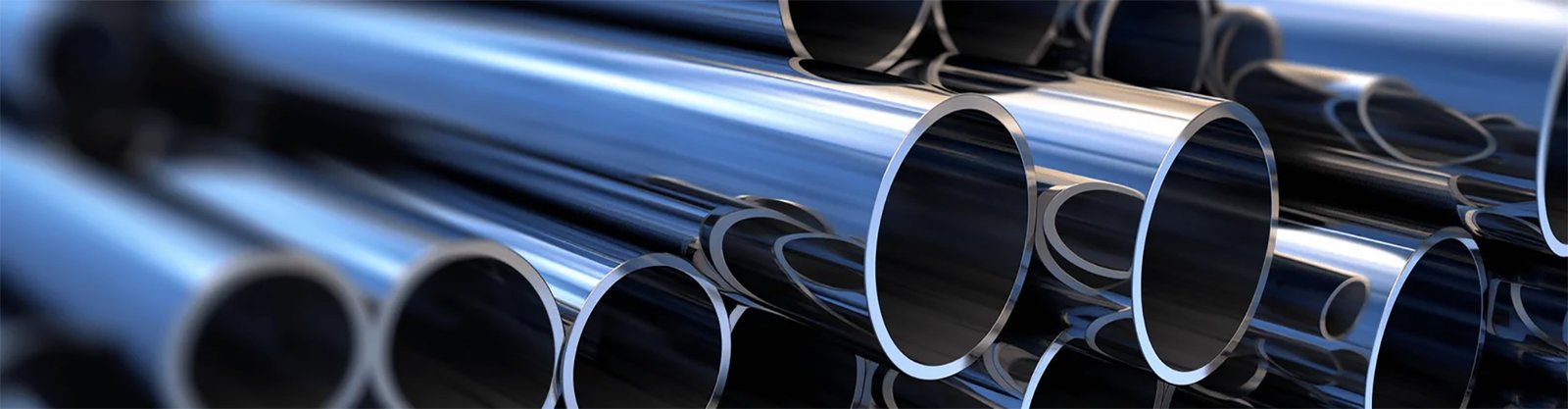
Heat Exchangers: Titanium tubing ensures reliable cooling systems.
-
Propulsion Systems: Shafts and propellers made from titanium reduce maintenance frequency.
B. Offshore Oil and Gas Platforms
Offshore structures face some of the harshest marine conditions.
-
Risers and Pipelines: Titanium alloys resist seawater-induced corrosion, extending service life.
-
Firewater Systems: Titanium piping ensures reliability in emergency conditions.
-
Structural Fasteners: Titanium bolts and joints withstand fatigue in dynamic environments.
C. Desalination Plants
As global demand for freshwater grows, desalination plants are expanding.
-
Heat Exchanger Tubes: Titanium alloys handle hot seawater without pitting.
-
Pump Components: Titanium impellers and casings resist erosion and corrosion.
-
Evaporator Units: Critical for long-term operation in high-salinity conditions.
D. Submarines and Underwater Vehicles
-
Pressure Hulls: Titanium alloys provide strength with reduced weight.
-
Propeller Systems: Silent operation and corrosion resistance benefit military submarines.
-
Deep-Sea Exploration: Titanium ensures reliability under extreme pressure.
E. Renewable Energy (Offshore Wind and Tidal Systems)
-
Turbine Components: Titanium alloys resist seawater attack in tidal and offshore wind farms.
-
Mooring Systems: Lightweight yet strong components for anchoring.
3. Performance Characteristics of Titanium Alloys in Marine Environments
A. Corrosion Resistance
Titanium alloys are virtually immune to seawater corrosion, outperforming stainless steels in chloride environments.
B. Fatigue Strength
Marine components endure cyclic stresses. Titanium alloys maintain structural integrity over long service periods.
C. Cavitation Resistance
In propellers and pumps, cavitation erosion is minimized with titanium alloys.
D. Thermal Stability
Titanium alloys perform reliably in fluctuating marine temperatures, from arctic to tropical waters.
4. Comparison With Other Materials
| Property | Carbon Steel | Stainless Steel | Nickel Alloys | Titanium Alloys |
|---|---|---|---|---|
| Corrosion Resistance | Poor | Good but limited in chlorides | Excellent | Excellent |
| Weight | Heavy | Moderate | Heavy | Light |
| Strength | High | Moderate | High | High |
| Cost | Low | Moderate | High | High (but long-term savings) |
Titanium alloys are more expensive upfront but reduce life-cycle costs significantly through durability and low maintenance.
5. Benefits of Using Titanium Alloys in Marine Engineering
-
Reduced Maintenance Costs: Titanium components require fewer replacements and inspections.
-
Extended Service Life: Ideal for critical applications like offshore oil rigs and naval vessels.
-
Improved Efficiency: Lightweight properties improve vessel performance and reduce fuel consumption.
-
Environmental Advantages: Non-toxic and recyclable, supporting sustainable marine operations.
6. Challenges of Using Titanium Alloys
-
High Initial Cost: Titanium is more expensive than steel and stainless steel.
-
Fabrication Difficulty: Welding titanium requires inert gas shielding to prevent contamination.
-
Limited Availability: Titanium alloys may have longer lead times compared to common metals.
Despite these challenges, industries continue to adopt titanium because of its long-term performance advantages.
7. Case Studies
Naval Submarines
Modern military submarines use titanium alloys extensively for hulls and pressure systems, reducing weight and improving stealth by resisting corrosion without noisy coatings.
Offshore Oil Platforms
Titanium risers and firewater systems on North Sea platforms have operated for decades with minimal maintenance, proving titanium’s economic advantage over time.
Desalination Plants
Titanium heat exchanger tubing in Middle Eastern desalination plants has shown a service life exceeding 30 years, compared to just 5–7 years for stainless steel alternatives.
8. Future Outlook of Titanium Alloys in Marine Engineering
The use of titanium alloys in marine engineering will continue to grow due to:
-
Expansion of offshore renewable energy projects.
-
Increased demand for desalination plants worldwide.
-
Rising focus on sustainable, low-maintenance marine infrastructure.
-
Advancements in titanium processing technologies reducing costs.
Manufacturers like sakyalloy are at the forefront of providing advanced titanium alloy solutions that meet the demanding requirements of global marine industries.
Conclusion
Titanium alloys have transformed marine engineering by providing unmatched resistance to seawater corrosion, high strength-to-weight ratios, and long service lives. Their applications in shipbuilding, offshore oil platforms, desalination, submarines, and renewable energy highlight their versatility and critical importance.
While the cost of titanium alloys is higher than conventional materials, their durability, reduced maintenance, and environmental benefits make them the superior choice for critical marine systems. For industries requiring certified, high-performance titanium solutions, sakyalloy delivers products and expertise aligned with international standards.