



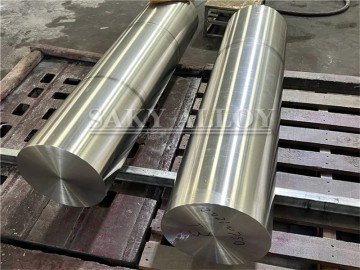
Application Of Titanium Rods in Medical Field
Titanium is widely recognized as one of the most biocompatible metals, making it indispensable in modern medicine. Among various titanium products, titanium rods play a crucial role in surgical implants, orthopedic treatments, and medical devices. Their combination of high strength, corrosion resistance, light weight, and compatibility with the human body has revolutionized medical treatments, particularly in orthopedics and dental surgery.
This article provides a comprehensive overview of the application of titanium rods in the medical field, exploring their properties, advantages, typical uses, and the innovations driving their development.
Why Titanium Rods Are Ideal for Medical Applications
1. Biocompatibility
Titanium does not cause adverse reactions when in contact with human tissues or fluids. Its oxide layer forms a natural barrier, preventing harmful interactions and ensuring safe integration with the body.
2. Corrosion Resistance
Human body fluids are highly corrosive, but titanium’s passive oxide layer protects implants from deterioration, ensuring long-term stability.
3. Strength-to-Weight Ratio
Titanium rods are strong enough to support bone structures while being significantly lighter than steel, reducing patient discomfort.
4. Osseointegration
Titanium bonds directly with bone tissue, a process called osseointegration. This property ensures stability and long-term success of implants.
5. Non-Magnetic and Non-Toxic
Titanium rods are non-magnetic, allowing patients to undergo MRI scans safely, and they release no harmful ions into the body.
Applications of Titanium Rods in Medicine
1. Orthopedic Surgery
Titanium rods are extensively used in orthopedic surgeries to repair and support bones.
-
Spinal Implants: Titanium rods are implanted along the spine to correct deformities like scoliosis and stabilize fractures.
-
Fracture Fixation: Used with screws and plates to stabilize long bone fractures in arms, legs, and hips.
-
Joint Replacements: Titanium rods serve as components in artificial hips, knees, and shoulders.
2. Dental Implants
Titanium rods are used as the foundation for dental implants. They are surgically placed into the jawbone, where they integrate with bone tissue to support crowns, bridges, or dentures.
3. Trauma and Emergency Care
In trauma cases involving multiple fractures, titanium rods act as intramedullary nails inserted inside long bones to stabilize them until healing occurs.
4. Craniofacial Surgery
Titanium rods are employed in reconstructive surgery for the skull and facial bones. Their compatibility and adaptability allow surgeons to restore bone structures effectively.
5. Medical Devices
Beyond implants, titanium rods are used in surgical instruments, prosthetics, and devices where strength and sterilization resistance are required.
Processing of Titanium Rods for Medical Use
Manufacturing Standards
Titanium rods for medical applications must meet international standards such as ASTM F136 (for Ti-6Al-4V ELI alloy) or ISO 5832. Strict control ensures purity and performance.
Surface Treatments
Polishing, anodizing, and passivation improve biocompatibility and reduce the risk of bacterial adhesion.
Precision Machining
Medical-grade titanium rods are machined to exact tolerances for customized implants. Advanced CNC technology ensures accuracy and consistency.
Sterilization
Titanium rods withstand repeated sterilization cycles without losing mechanical or chemical properties, ensuring safety for medical use.
Advantages of Using Titanium Rods in the Medical Field
-
Long service life compared to stainless steel implants
-
Reduced risk of rejection due to superior biocompatibility
-
Lightweight design minimizes stress on bones and joints
-
Compatibility with medical imaging techniques (MRI and CT scans)
-
High success rate in orthopedic and dental implant surgeries
Challenges in Medical Applications
-
Cost: Titanium is more expensive than stainless steel, increasing overall treatment costs.
-
Machinability: Titanium is difficult to machine, requiring specialized tools and processes.
-
Alloy Selection: Some alloys, like Ti-6Al-4V, provide high strength but require strict control to ensure medical safety.
Despite these challenges, the long-term performance and success rates justify the use of titanium rods in critical medical procedures.
Future Trends in Titanium Rod Applications
-
3D Printing of Implants: Additive manufacturing allows patient-specific titanium rods and implants with complex geometries.
-
Surface Coatings: Bioactive coatings enhance osseointegration and reduce healing time.
-
Hybrid Materials: Combining titanium rods with polymer or ceramic components for better performance.
-
Sustainability: Recycling of titanium scrap to lower costs and improve environmental responsibility.
Manufacturers like sakyalloy are investing in advanced processing technologies to provide medical-grade titanium rods that meet the evolving needs of healthcare industries worldwide.
Conclusion
The application of titanium rods in the medical field has transformed modern healthcare. From orthopedic and spinal surgeries to dental implants and craniofacial reconstruction, titanium rods provide unmatched strength, safety, and long-term success. Their unique combination of biocompatibility, corrosion resistance, and mechanical performance makes them the preferred choice for critical medical applications.
As medical technology advances, innovations such as 3D printing, advanced coatings, and hybrid materials will further expand the role of titanium rods in healthcare. With reliable suppliers such as sakyalloy, industries can ensure that patients benefit from the highest quality titanium solutions for life-saving and life-improving treatments.