
Best Practices for Storing Titanium Bars
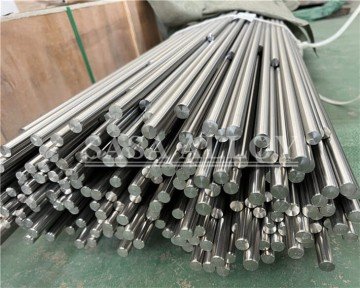
Titanium bars are essential in industries such as aerospace, medical, marine, and chemical processing. Their lightweight nature, corrosion resistance, and high strength-to-weight ratio make them ideal for critical applications. However, to maintain their properties and ensure long-term usability, it is crucial to understand and implement the best practices for storing titanium bars.
This guide outlines the most effective storage methods to preserve surface integrity, prevent contamination, and extend the life of titanium bars in your warehouse or facility.
Why Proper Storage of Titanium Bars Matters
Titanium is known for its excellent corrosion resistance, but that doesn’t mean it is immune to surface contamination, scratching, or deformation when improperly stored.
Risks of Poor Storage:
-
Surface oxidation due to exposure to moisture or chemicals
-
Contamination by iron, grease, or other metals
-
Physical damage such as dents, warping, or scratches
-
Compromised performance in aerospace or medical applications
By implementing proper storage protocols, you protect your investment and ensure titanium bars from sakyalloy arrive at machining or fabrication in ideal condition.
1. Store Indoors in a Clean, Dry Environment
The first and most important rule: never store titanium bars outdoors or in damp environments.
Recommendations:
-
Maintain temperature and humidity control within storage areas
-
Avoid direct contact with walls or floors, which may be damp
-
Prevent condensation or water leaks from roofing and plumbing
sakyalloy recommends storing titanium in enclosed racks or cabinets in a climate-controlled warehouse to minimize exposure to environmental elements.
2. Avoid Contact with Contaminating Materials
Titanium is sensitive to contamination, especially from ferrous metals. Contact with these materials can initiate galvanic corrosion or introduce surface defects that compromise weldability and finish.
Do:
-
Use plastic, wood, or titanium-alloy racks to separate titanium bars from other metals
-
Place non-metallic spacers or separators between titanium and shelves
-
Clean any storage racks previously used for carbon or alloy steel
Don’t:
-
Store titanium bars near steel, iron, or copper stock
-
Stack titanium bars directly on metallic surfaces without insulation
-
Allow forklift forks or chains to touch titanium surfaces
3. Use Proper Support to Prevent Bending
Titanium bars, especially in longer lengths, must be evenly supported to prevent bending or warping over time.
Storage Method:
-
Use horizontal racks with multiple evenly spaced support points
-
For vertical storage, ensure bars are standing securely with protective caps on each end
-
Avoid stacking large quantities of bars directly on one another
4. Protect the Surface with Wrapping or Covers
Surface finish is especially critical for aerospace and medical applications. Protective wrapping ensures the titanium remains free of scratches, dust, and chemical exposure.
Ideal Materials:
-
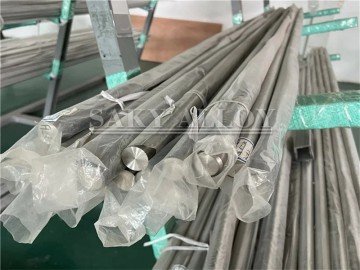
Plastic shrink wrap or polyethylene sheets
-
Soft paper wrap for cleanroom environments
-
End caps to protect cut surfaces
Avoid materials that contain chlorides or acids, as they can cause corrosion over time.
At sakyalloy, titanium bars are packaged with PVC film, PE paper, or wooden cases tailored to the shipment size and storage duration.
5. Label and Organize Inventory Clearly
Efficient inventory management not only improves workflow but also helps reduce unnecessary handling, which can increase the risk of damage.
Best Practices:
-
Use non-contact tagging systems, such as plastic ID cards or adhesive-free labels
-
Group titanium bars by grade, size, heat number, and delivery batch
-
Assign FIFO (First In, First Out) storage rotation for long-term projects
Maintaining clear organization helps operators avoid confusion and prevents repeated handling of sensitive materials.
6. Isolate from Chemicals and Hazardous Vapors
Even though titanium is chemically resistant, prolonged exposure to strong vapors like chlorine, hydrochloric acid, or cleaning agents can alter the bar’s surface or compromise its integrity.
Guidelines:
-
Never store titanium near chemical storage cabinets
-
Keep it away from areas where degreasing or painting operations occur
-
Use ventilated partitions or separate rooms for titanium stock
7. Maintain a Clean Handling Procedure
Handling titanium bars is as important as storage. Improper handling can result in contamination or physical damage that reduces performance in precision applications.
Handling Tips:
-
Wear clean gloves when moving titanium bars to prevent grease transfer
-
Use non-marring tools or rubber-coated tongs
-
Avoid dragging bars across surfaces—lift and set down gently
Warehouse staff at sakyalloy are trained in titanium-safe handling protocols to guarantee customer satisfaction from stockroom to shipment.
8. Routine Inspections and Inventory Maintenance
Periodic inspections help detect early signs of contamination, corrosion, or mechanical stress.
Inspection Checklist:
-
Surface condition: free of scratches, dents, or rust
-
Label integrity and traceability
-
Storage rack stability and cleanliness
-
Confirm no contact with incompatible materials
Perform checks at least monthly and before dispatch to machining or production.
9. Special Considerations for Cleanroom Storage
If titanium bars are intended for medical implants, aerospace components, or high-purity chemical systems, consider upgrading storage to cleanroom-level practices.
Enhancements:
-
HEPA filtration or ISO-rated cleanroom environments
-
Anti-static and particle-free wrapping
-
UV protection for long-term purity preservation
Consult with sakyalloy for titanium storage systems suitable for critical industries.
10. Long-Term Storage and Export Considerations
If you plan to store titanium bars for long periods or export overseas, use additional protection:
-
Vacuum sealing or nitrogen-flushed packaging for extreme conditions
-
Export-ready plywood crates with desiccants to absorb moisture
-
Shock-absorbing materials for ocean freight
sakyalloy provides export packaging solutions tailored to titanium bar shipments to ensure zero damage during long-haul transit.
Conclusion
Proper storage of titanium bars is a strategic requirement, not just a logistical task. By following best practices in environment control, material separation, handling, and packaging, you can maintain the integrity, appearance, and performance of titanium across the full supply chain.
Whether you’re managing stock for aerospace parts or chemical plant components, applying these tips will minimize quality issues and ensure machining success when it’s time to use the material.
For premium-quality titanium bars and storage advice, trust sakyalloy—your reliable source for titanium products that arrive protected, certified, and ready for use.