
Can Water Cutting Ensure The Flatness Of Titanium Plates?
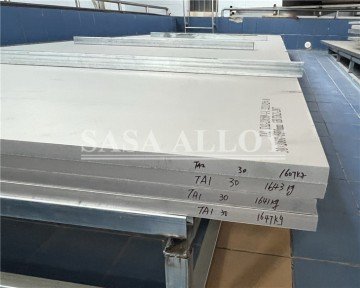
Titanium has become one of the most important engineering materials in industries such as aerospace, medical, chemical processing, and marine engineering. Its unique combination of lightweight strength, corrosion resistance, and biocompatibility makes it the preferred choice for demanding applications. Among the different forms in which titanium is used, titanium plates play a central role in manufacturing structural components, pressure vessels, and medical implants.
However, one critical aspect of working with titanium plates is maintaining their flatness during cutting and machining. Modern manufacturing often uses water cutting (waterjet cutting) as a method for processing titanium plates. But an important question arises: Can water cutting ensure the flatness of titanium plates?
This article provides an in-depth explanation of water cutting technology, its effects on titanium plate flatness, advantages, limitations, and industrial applications.
Understanding Water Cutting
Water cutting, also known as waterjet cutting, is a method of slicing materials using a high-pressure stream of water, often mixed with abrasive particles such as garnet. It is widely used in precision industries for materials that are difficult to machine with conventional tools.
Key Features of Water Cutting:
-
High-pressure water stream (up to 60,000 psi)
-
Abrasive addition for hard materials like titanium
-
Cold cutting process with no heat-affected zone
-
Ability to cut intricate shapes and patterns
Because titanium is known for its hardness and resistance to conventional machining, water cutting has become a favored method for processing titanium plates.
The Importance of Flatness in Titanium Plates
Flatness refers to how even and level the surface of a plate remains after processing. Maintaining flatness is essential because:
-
Aerospace and Automotive: Components must meet strict tolerances for assembly and aerodynamic performance.
-
Medical Industry: Surgical implants and tools require perfect flatness to avoid misalignment or discomfort.
-
Chemical Processing Equipment: Flat plates ensure proper sealing and prevent leaks in pressure vessels and tanks.
-
Construction and Engineering: Structural plates require consistent flatness for load-bearing applications.
Any warping or unevenness can compromise both performance and safety.
Can Water Cutting Ensure Flatness?
The short answer is yes, water cutting can help maintain the flatness of titanium plates, but with some important considerations.
Why Water Cutting Helps Preserve Flatness:
-
Cold Cutting Process
Unlike laser or plasma cutting, water cutting does not generate heat, which means there is no heat-affected zone (HAZ). This prevents thermal distortion and warping of titanium plates. -
Minimal Mechanical Stress
Since the process relies on a high-pressure water jet rather than mechanical force, there is little stress applied to the titanium plate, preserving its flatness. -
Precision Cutting
Water cutting can achieve tolerances as tight as ±0.1 mm, ensuring accurate dimensions without the need for excessive rework.
Factors Affecting Flatness in Water Cutting
While water cutting is effective, certain factors can influence the final flatness of titanium plates:
-
Plate Thickness: Thicker titanium plates are more resistant to deformation but require more abrasive and higher cutting pressure.
-
Cutting Pressure and Speed: Incorrect settings can cause uneven cuts, affecting flatness.
-
Plate Support: If plates are not properly supported during cutting, vibration or movement can lead to slight warping.
-
Post-Cutting Handling: Improper handling after cutting can bend or distort plates even if the process itself preserves flatness.
Advantages of Water Cutting for Titanium Plates
-
No Heat Damage: Prevents changes in microstructure and hardness.
-
Superior Surface Finish: Produces smooth edges that reduce the need for secondary machining.
-
Versatility: Cuts plates of varying thickness without losing precision.
-
Material Preservation: Minimal waste compared to mechanical cutting.
-
Eco-Friendly Process: No toxic fumes or hazardous gases generated.
Limitations of Water Cutting
While effective, water cutting also has some limitations:
-
Cost: More expensive compared to plasma or flame cutting due to high equipment and operational costs.
-
Cutting Speed: Slower than laser cutting for thin materials.
-
Abrasive Disposal: Handling of used abrasive material requires proper waste management.
Comparison with Other Cutting Methods
-
Water Cutting vs Laser Cutting: Water cutting maintains flatness better since it avoids heat distortion.
-
Water Cutting vs Plasma Cutting: Plasma cutting is faster but can warp titanium plates due to high heat.
-
Water Cutting vs Mechanical Cutting: Mechanical methods can introduce stress and bending, whereas water cutting avoids such issues.
Industrial Applications
Water-cut titanium plates are widely used in industries where flatness and precision are critical:
-
Aerospace: Structural panels, turbine components, and airframe parts.
-
Medical: Implants, surgical instruments, and prosthetics.
-
Marine: Hull reinforcements, offshore structures, and desalination plants.
-
Energy: Heat exchanger plates and nuclear reactor components.
-
Automotive: Lightweight but strong chassis parts and engine components.
Why Partner with Reliable Suppliers
Flatness is not only about the cutting method but also about the quality of raw titanium plates and post-processing practices. Reliable suppliers such as sakyalloy provide titanium plates manufactured under strict quality standards and processed using advanced water cutting technology. By working with sakyalloy, industries gain assurance of flatness, precision, and long-term performance.
Best Practices to Maintain Flatness
-
Use water cutting over heat-based methods for titanium.
-
Ensure proper plate support during the cutting process.
-
Select appropriate cutting parameters for thickness and grade.
-
Handle plates carefully after cutting to avoid bending.
-
Verify flatness using quality control inspections before final application.
Conclusion
So, can water cutting ensure the flatness of titanium plates? The answer is yes. Waterjet cutting is one of the most effective methods for preserving flatness, thanks to its cold cutting process, minimal stress application, and precision. While some factors like plate thickness and handling must be managed carefully, water cutting remains the best choice for industries requiring accuracy and reliability.
By combining high-quality titanium plates with advanced cutting techniques, manufacturers can achieve superior results in aerospace, medical, marine, and industrial applications. For businesses seeking consistent performance and precision, titanium plates cut using waterjet technology are the ideal solution.