
Cost and Performance Comparison: Titanium Grade 11 vs Nickel Alloys
In modern industry, selecting the right materials for high-performance applications is critical. Corrosion resistance, strength, durability, and cost are key factors that influence material selection. Among the many options available for chemical processing, marine, and high-temperature environments, Titanium Grade 11 and various nickel alloys are widely considered. Both materials offer exceptional corrosion resistance, but they differ significantly in performance characteristics and overall cost. Understanding these differences is essential for engineers, procurement specialists, and project managers aiming to optimize both operational efficiency and budget.
This article provides a detailed comparison of Titanium Grade 11 and nickel alloys, analyzing their chemical composition, mechanical properties, corrosion resistance, cost-effectiveness, and typical industrial applications. Suppliers such as sakyalloy provide high-quality titanium solutions, supporting industries that require reliable, corrosion-resistant materials for critical systems.
1. Introduction to Titanium Grade 11 and Nickel Alloys
1.1 Titanium Grade 11 Overview
Titanium Grade 11 is a commercially pure titanium alloy with a small addition of palladium (0.12–0.25%). The palladium enhances corrosion resistance, particularly in reducing acids and chloride-rich environments. Grade 11 is well-suited for industries where corrosion resistance and material longevity are critical, such as:
-
Chemical processing
-
Desalination plants
-
Offshore marine equipment
-
Power generation systems
The alloy maintains excellent ductility and formability, allowing for fabrication of complex structures without compromising corrosion protection.
1.2 Nickel Alloys Overview
Nickel-based alloys, including Inconel, Hastelloy, and Monel, are known for their high corrosion resistance and superior mechanical performance in aggressive environments. They are widely used in:
-
High-temperature applications
-
Reducing and oxidizing chemical environments
-
High-pressure systems
-
Marine and offshore components
Nickel alloys offer high strength and durability but are generally more expensive and heavier than titanium alloys.
2. Chemical Composition Comparison
2.1 Titanium Grade 11
-
Titanium: balance
-
Palladium: 0.12–0.25%
-
Oxygen: ≤ 0.25%
-
Iron: ≤ 0.30%
-
Trace elements: minimal
2.2 Nickel Alloys (General)
-
Nickel: 50–70% (depending on the alloy)
-
Chromium: 15–25%
-
Molybdenum: 5–15%
-
Iron: 2–10%
-
Trace elements: cobalt, copper, or tungsten depending on alloy type
While both materials resist corrosion, titanium Grade 11 relies on its passive oxide layer and palladium enhancement, whereas nickel alloys rely on high nickel content and complex alloying for corrosion protection.
3. Mechanical Properties Comparison
3.1 Titanium Grade 11
-
Tensile strength: ~331 MPa
-
Yield strength: ~241 MPa
-
Elongation: ~24%
-
Density: 4.51 g/cm³
-
Fatigue resistance: Excellent
-
Formability: High
3.2 Nickel Alloys
-
Tensile strength: 550–1200 MPa (depending on alloy)
-
Yield strength: 200–800 MPa
-
Elongation: 20–50%
-
Density: 8.0–8.5 g/cm³
-
Fatigue resistance: Very good
-
Formability: Moderate
Interpretation: Nickel alloys generally offer higher tensile strength, but titanium Grade 11 provides superior strength-to-weight ratio, making it advantageous in applications where reducing weight is critical.
4. Corrosion Resistance Comparison
4.1 Titanium Grade 11
-
Excellent resistance to reducing acids such as sulfuric, hydrochloric, and phosphoric acid
-
Strong chloride and seawater resistance
-
Self-healing passive oxide layer
-
Excellent crevice and pitting corrosion resistance
4.2 Nickel Alloys
-
Outstanding corrosion resistance in oxidizing and reducing media
-
Excellent performance in high-temperature acidic environments
-
Good resistance to seawater, chlorine, and chemical attack
-
Performance depends heavily on specific alloy selection
Interpretation: Titanium Grade 11 excels in low-temperature chloride and acid applications, while nickel alloys are preferred in high-temperature or extremely aggressive chemical conditions.
5. Cost Considerations
5.1 Titanium Grade 11 Cost
-
Higher initial cost than commercially pure titanium
-
Lower cost than most high-performance nickel alloys
-
Reduced maintenance and replacement costs due to long-term corrosion resistance
-
High strength-to-weight ratio reduces overall material usage in lightweight designs
5.2 Nickel Alloys Cost
-
Typically more expensive due to high nickel, chromium, and molybdenum content
-
Heavy density may increase structural costs
-
Frequent welding and fabrication costs due to high hardness
-
Extended lifecycle justified only in extreme conditions
Interpretation: While nickel alloys may offer superior strength in certain applications, titanium Grade 11 often provides a more cost-effective solution when corrosion resistance and weight savings are critical.
6. Fabrication and Formability
6.1 Titanium Grade 11
-
High ductility and formability allow complex shapes and assemblies
-
Excellent weldability using standard titanium procedures
-
Minimal post-weld corrosion risk
6.2 Nickel Alloys
-
Moderate formability; requires specialized tools and techniques
-
Welding is more complex and often requires filler metals
-
Post-weld heat treatment may be necessary to maintain corrosion resistance
Interpretation: Titanium Grade 11 is generally easier to fabricate, saving time and labor costs in production.
7. Industrial Applications
7.1 Titanium Grade 11
-
Heat exchangers for chemical processing
-
Seawater piping and desalination equipment
-
Offshore oil and gas systems
-
Pressure vessels in reducing acid environments
-
Lightweight structural components
7.2 Nickel Alloys
-
High-temperature chemical reactors
-
Steam and gas turbine components
-
Sulfuric acid concentration systems
-
Aerospace components requiring extreme strength and oxidation resistance
-
Chlorine production and electrochemical plants
8. Advantages and Limitations
8.1 Titanium Grade 11 Advantages
-
Superior strength-to-weight ratio
-
Excellent corrosion resistance in moderate temperature aggressive media
-
Easy fabrication and welding
-
Lower density reduces structural weight
-
Long-term reliability in chloride and reducing acid conditions
Limitations: Tensile strength is lower than nickel alloys; not ideal for high-temperature oxidizing environments above 400°C.
8.2 Nickel Alloys Advantages
-
Exceptional high-temperature strength
-
Excellent corrosion resistance across wide chemical conditions
-
Durable and wear-resistant
-
Suitable for extreme pressure and thermal applications
Limitations: Higher cost, higher density, more difficult fabrication, and specialized welding requirements.
9. Total Lifecycle Cost Analysis
While nickel alloys have higher material costs, their use is justified in applications with extreme temperatures or highly aggressive chemical media. Titanium Grade 11 provides a lower total lifecycle cost in many industries due to:
-
Reduced replacement frequency
-
Lower maintenance requirements
-
Easier fabrication and installation
-
Reduced structural weight
In many cases, titanium Grade 11 balances upfront material costs with long-term savings, making it a practical choice for offshore, marine, and chemical systems.
10. Market Trends and Supplier Insights
The demand for corrosion-resistant alloys is growing worldwide. Industries increasingly prioritize weight savings, corrosion resistance, and lifecycle costs when selecting materials. Titanium Grade 11 has gained attention due to its combination of performance, ease of fabrication, and cost-effectiveness.
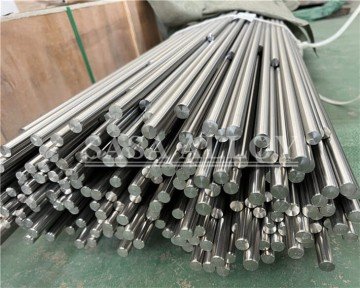
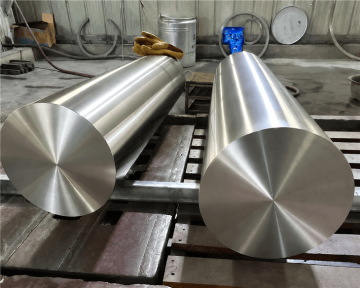
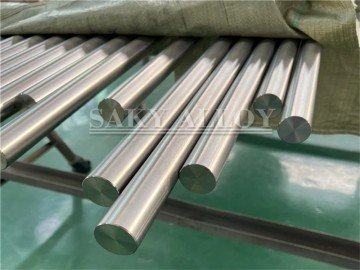
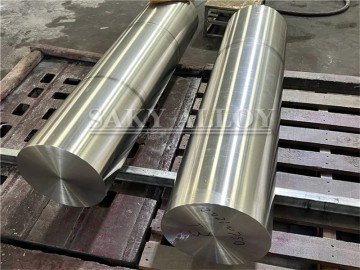
Leading suppliers like sakyalloy provide certified Titanium Grade 11 bars tailored to meet international ASTM and ISO standards. With traceable quality assurance and high-purity material, companies can ensure operational reliability in demanding environments.
Meanwhile, nickel alloys continue to dominate extreme high-temperature and highly aggressive chemical systems. Engineers often evaluate the application environment to determine whether the additional cost and weight of nickel alloys are justified compared to titanium Grade 11.
11. Key Considerations for Material Selection
When deciding between Titanium Grade 11 and nickel alloys, consider:
-
Operating environment: Temperature, acidity, chloride content, and exposure to oxidizing or reducing chemicals
-
Mechanical requirements: Tensile and yield strength, fatigue resistance, ductility
-
Weight limitations: Titanium Grade 11 offers significant weight reduction
-
Fabrication complexity: Ease of welding, forming, and assembly
-
Long-term cost: Initial material cost versus maintenance and replacement
Selecting the right material requires balancing these factors for optimal performance and cost efficiency.
12. Conclusion
Titanium Grade 11 and nickel alloys each offer outstanding corrosion resistance and durability, but their suitability depends on the application. Titanium Grade 11 is ideal for moderate-temperature aggressive environments where chloride and reducing acids are present, offering superior cost-to-performance ratio and easier fabrication. Nickel alloys excel in extreme high-temperature and highly aggressive chemical conditions, justifying their higher material and fabrication costs.
Industries ranging from chemical processing to marine, offshore, and power generation can benefit from evaluating these materials carefully. By selecting the appropriate alloy, engineers can ensure system longevity, reduce maintenance costs, and achieve reliable performance. Certified suppliers like sakyalloy provide high-quality Titanium Grade 11 bars designed to meet demanding international standards, offering a reliable solution for corrosion-resistant systems.
In conclusion, both Titanium Grade 11 and nickel alloys have their advantages, but Titanium Grade 11 frequently offers the optimal combination of cost, corrosion resistance, and fabrication ease, making it a preferred choice for many industrial applications worldwide.