
Cutting Titanium Pipe: Tools & Techniques
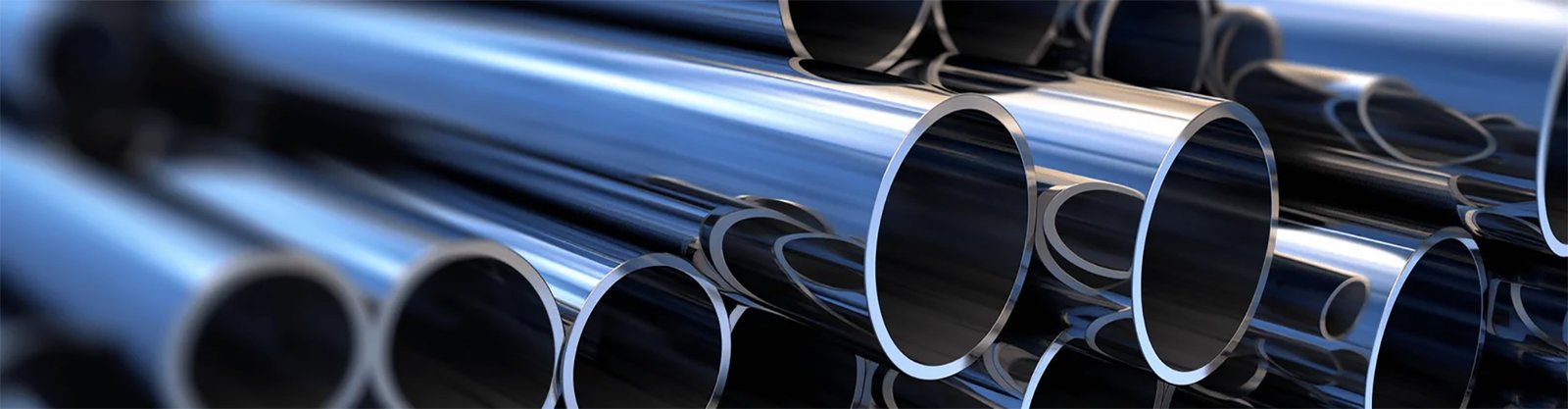
Titanium pipe is widely used in industries such as aerospace, chemical processing, marine engineering, and power generation due to its exceptional strength, light weight, and corrosion resistance. However, these same properties make titanium pipe challenging to cut. Unlike cutting ordinary steel or aluminum, titanium demands specialized tools, techniques, and care to ensure clean, precise cuts without damaging the material. In this article, we’ll explore cutting titanium pipe: tools & techniques, providing practical guidance and expert tips to help fabricators, engineers, and operators achieve perfect results every time.
Why Cutting Titanium Pipe Requires Special Attention
Titanium’s unique material properties contribute to its value but also to its machining challenges. These properties include:
-
High strength and toughness, which make titanium more difficult to cut than many metals
-
Low thermal conductivity, causing heat to concentrate in the cutting area rather than dissipate
-
Tendency to galling, where material sticks to cutting tools and causes wear or tearing
-
Reactivity at elevated temperatures, which means excessive heat can alter material properties or cause surface oxidation
Given these factors, cutting titanium pipe demands a thoughtful approach to tool selection, technique, and process control.
Essential Considerations Before Cutting
Before you begin cutting titanium pipe, consider the following to ensure success:
Clean Workpiece
Titanium surfaces must be clean and free from oils, dirt, or oxidation. Contaminants can affect the cut quality and damage cutting tools. Clean the pipe with acetone or alcohol, and handle it with clean gloves.
Secure Fixturing
Proper clamping and fixturing of titanium pipe are critical to prevent movement during cutting. Vibration or shifting during cutting can cause poor edge quality or tool breakage.
Coolant and Lubrication
Because titanium has low thermal conductivity, heat buildup at the cutting zone can damage both the pipe and the tool. Using the right coolant or lubricant helps dissipate heat, reduce friction, and extend tool life.
Cutting Tools for Titanium Pipe
There are several tools suitable for cutting titanium pipe. Each has its own advantages depending on pipe size, wall thickness, and the precision required.
1. Band Saw
A band saw equipped with a bi-metal or carbide-tipped blade is a popular choice for cutting titanium pipe, especially for larger diameters or thicker walls. Key tips:
-
Use a blade with fewer teeth per inch (TPI) for thicker pipes to avoid clogging.
-
Set a slow cutting speed combined with steady feed pressure to minimize heat generation.
-
Use flood coolant or mist lubrication to keep the cutting area cool.
Band saws provide relatively straight cuts and are cost-effective for many applications.
2. Cold Saw
Cold saws use a toothed circular blade operating at low RPMs. They are ideal for producing clean, square cuts on titanium pipe with minimal heat buildup. Advantages include:
-
Precision cuts with smooth finishes
-
Reduced burr formation
-
Excellent for repetitive cutting in production settings
Cold saws should be equipped with blades designed for titanium or hard alloys, and generous coolant flow is recommended.
3. Abrasive Cut-Off Saw
Abrasive wheels can cut titanium pipe, but this method generates significant heat and may cause surface oxidation or discoloration. While effective for quick rough cuts, it is not preferred for precision work. If used:
-
Keep the cut area cool with copious coolant.
-
Be prepared for additional deburring or finishing work after cutting.
4. Waterjet Cutting
For high-precision cutting without introducing heat-affected zones (HAZ), waterjet cutting is an excellent choice. Waterjet uses high-pressure water mixed with abrasive particles to slice through titanium pipe cleanly. Benefits include:
-
No thermal distortion or metallurgical changes
-
Precise edge quality
-
Ability to cut complex shapes or angles
Waterjet is particularly suitable for specialized or custom pipe cuts.
5. Plasma Cutting
While plasma cutting can cut titanium pipe, it produces high temperatures that can affect the material’s properties near the cut edge. This method is generally avoided unless post-cut processing (e.g., machining or grinding) will remove the heat-affected areas.
Best Practices for Cutting Titanium Pipe
Choose the Right Tool for the Job
Select a cutting method that balances precision, production speed, and pipe specifications. For high-volume production, cold saws or band saws are common. For intricate cuts or minimal finishing, waterjet cutting is ideal.
Control Heat
Avoid excessive heat buildup to protect the titanium’s integrity. Use coolant generously, keep cutting speeds moderate, and never force the tool through the material.
Use Sharp, High-Quality Blades
Dull blades generate more heat and can cause work hardening or tearing of the titanium pipe. Use blades or wheels designed specifically for cutting titanium or high-strength alloys.
Plan for Post-Cut Finishing
Even the best cutting techniques may leave minor burrs or sharp edges on titanium pipe. Plan for light deburring or polishing to achieve a clean, ready-to-use finish.
Safety Considerations
Cutting titanium pipe generates fine chips or dust that can be a fire hazard, especially when cutting dry. Follow these safety tips:
-
Ensure good ventilation and dust collection where possible.
-
Keep flammable materials away from the cutting area.
-
Have fire extinguishers rated for metal fires (Class D) nearby.
-
Wear appropriate personal protective equipment (PPE), including gloves, eye protection, and hearing protection.
Applications That Demand Precision Titanium Cutting
Cutting titanium pipe with precision is critical in industries where quality and reliability are paramount:
-
Aerospace: Titanium pipes used in fuel, hydraulic, and pneumatic systems must have precise cuts and clean edges.
-
Chemical processing: Piping systems must fit perfectly to prevent leaks and corrosion.
-
Marine and offshore: Titanium piping used in seawater systems requires accurate cutting for secure welding and assembly.
-
Medical devices: Small titanium tubes for surgical equipment or implants demand high-precision cutting without introducing contamination.
The Role of sakyalloy in Titanium Pipe Supply and Support
At sakyalloy, we provide premium titanium pipe products manufactured to exacting standards. Our pipes are produced with clean surfaces, tight dimensional tolerances, and consistent material properties that make them ideal for precision cutting and fabrication. Whether you are cutting titanium for aerospace, chemical, or marine applications, starting with high-quality titanium pipe from sakyalloy ensures that your cutting and fabrication processes deliver the best results.
We also offer guidance on material handling and cutting practices to help customers achieve success in their projects.
Conclusion
Cutting titanium pipe is a task that requires respect for the material’s unique properties, the right tools, and a disciplined approach to technique. By understanding the challenges and applying best practices — including the use of sharp tools, proper cooling, and precise fixturing — fabricators can achieve clean, accurate cuts that preserve titanium’s exceptional performance characteristics.
Whether using band saws, cold saws, waterjet cutting, or other techniques, the key to success lies in preparation, process control, and attention to detail. Choosing premium titanium pipe from trusted suppliers like sakyalloy ensures you start with material that meets the highest standards, giving your cutting and fabrication processes the best possible foundation.
For expert support and world-class titanium pipe solutions, trust sakyalloy to be your partner in delivering precision, performance, and reliability for your most demanding projects.