
Drawing Process Of Titanium And Titanium Alloy Wires
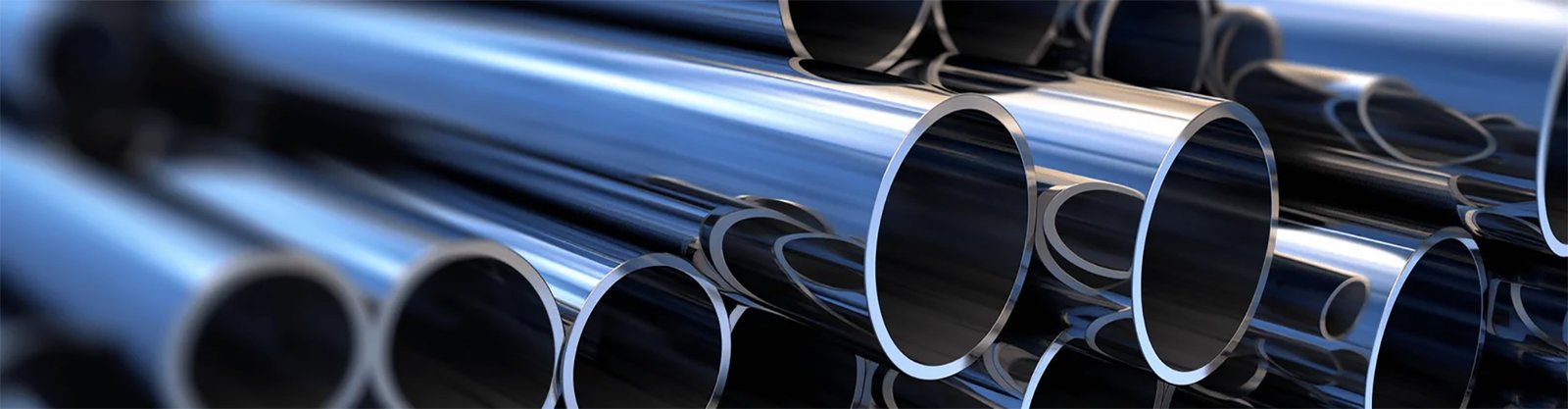
Titanium and its alloys are renowned for their high strength-to-weight ratio, excellent corrosion resistance, and biocompatibility. These unique properties make titanium wires and titanium alloy wires critical materials in aerospace, medical, marine, and chemical industries. One of the most important fabrication methods for producing high-quality titanium wires is the drawing process. This method ensures precise dimensions, uniform surface quality, and the mechanical performance needed for advanced engineering applications.
This article provides a detailed overview of the drawing process of titanium and titanium alloy wires, including preparation, techniques, challenges, and applications.
Importance of Wire Drawing for Titanium
Wire drawing is the process of reducing the diameter of a wire by pulling it through a series of dies. For titanium and titanium alloys, this process is crucial because:
-
It improves the surface finish and dimensional accuracy.
-
It enhances mechanical properties such as tensile strength and fatigue resistance.
-
It produces wires for specialized applications like medical implants, aerospace fasteners, and chemical equipment.
Preparation for Titanium Wire Drawing
1. Raw Material Selection
High-purity titanium ingots or alloy billets are selected according to required standards such as ASTM F67 (commercially pure titanium) or ASTM F136 (Ti-6Al-4V ELI alloy).
2. Hot Rolling and Forging
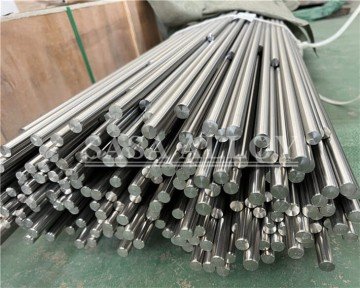
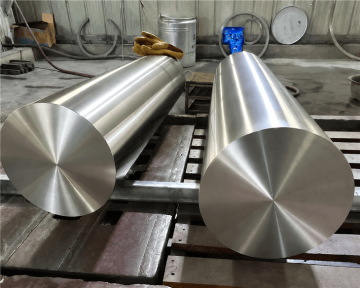
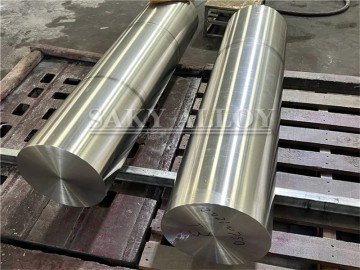
The billets are forged or hot-rolled into rods, preparing them for subsequent drawing operations. This step refines the grain structure and improves ductility.
3. Surface Cleaning
Oxide layers and impurities are removed through pickling in acid solutions or mechanical polishing to ensure defect-free wire drawing.
4. Annealing
Initial annealing is performed to soften the titanium rods, improving their formability before the drawing process.
The Drawing Process
Step 1: Die Selection
Special tungsten carbide or diamond dies are used because titanium is hard and abrasive. Multiple dies of progressively smaller diameters are used to gradually reduce the wire size.
Step 2: Lubrication
Lubricants such as soap-based solutions or high-performance synthetic oils are applied to reduce friction, prevent die wear, and ensure smooth wire surfaces.
Step 3: Cold Drawing
The titanium rod is pulled through dies under controlled tension. Each pass reduces the diameter while elongating the wire. Cold drawing increases strength through work hardening but reduces ductility.
Step 4: Intermediate Annealing
After several drawing passes, the wire is annealed again to restore ductility and relieve internal stresses. This cycle of drawing and annealing is repeated until the desired wire diameter is achieved.
Step 5: Final Finishing
After reaching the target size, wires undergo surface treatments such as polishing, passivation, or coating to enhance corrosion resistance and biocompatibility.
Challenges in Titanium Wire Drawing
-
Work Hardening
Titanium hardens quickly during cold drawing, requiring frequent annealing to avoid cracking. -
High Friction
Titanium has a high coefficient of friction, demanding effective lubrication and precise die design. -
Oxidation
At high temperatures, titanium easily oxidizes, making protective atmospheres or coatings necessary during processing. -
Dimensional Accuracy
Maintaining tight tolerances in thin wires is challenging and requires advanced equipment. -
Tool Wear
Dies and tools wear faster due to titanium’s hardness, increasing production costs.
Applications of Titanium and Titanium Alloy Wires
Aerospace
-
Fasteners and springs for aircraft structures
-
Control cables and wire meshes
-
High-strength components for jet engines
Medical
-
Surgical implants such as bone fixation wires and orthodontic archwires
-
Guidewires for cardiovascular procedures
-
Prosthetic devices due to titanium’s biocompatibility
Marine
-
Corrosion-resistant fishing equipment and marine fasteners
-
Offshore oil and gas exploration components
Industrial
-
Chemical processing equipment
-
High-temperature filtration and mesh screens
-
Welding filler wires for critical alloys
Manufacturers like sakyalloy provide titanium and titanium alloy wires that meet stringent requirements for these industries.
Advantages of Titanium Wires Produced by Drawing
-
High precision in diameter and tolerance
-
Enhanced surface smoothness
-
Superior strength and fatigue resistance
-
Excellent performance in corrosive and biological environments
-
Wide range of customizable sizes and finishes
Future Trends in Titanium Wire Drawing
-
Advanced Die Materials
Use of nanostructured or coated dies to reduce tool wear and improve drawing efficiency. -
Automation and AI Monitoring
Smart drawing machines with sensors to control tension, speed, and lubrication in real time. -
Eco-friendly Lubrication
Development of biodegradable lubricants to meet environmental standards. -
Additive Manufacturing Integration
Combining 3D printing with wire drawing to create hybrid production routes for titanium parts. -
Customized Medical Wires
Growing demand for patient-specific implants and devices drives innovation in micro-sized titanium wires.
Conclusion
The drawing process of titanium and titanium alloy wires is a critical technique that transforms titanium rods into high-performance wires for aerospace, medical, marine, and industrial applications. Through multiple passes of cold drawing, intermediate annealing, and finishing, manufacturers achieve wires with exceptional precision, strength, and corrosion resistance.
Despite challenges such as tool wear, oxidation, and work hardening, advances in technology are making the process more efficient and reliable. With continuous innovation and strict quality standards, titanium wires will remain essential in industries demanding lightweight, durable, and biocompatible materials.
Reliable suppliers like sakyalloy ensure that titanium wires meet global requirements, providing solutions for the most demanding engineering and medical applications.