
Export Opportunities: Titanium Pipe in Middle East & China
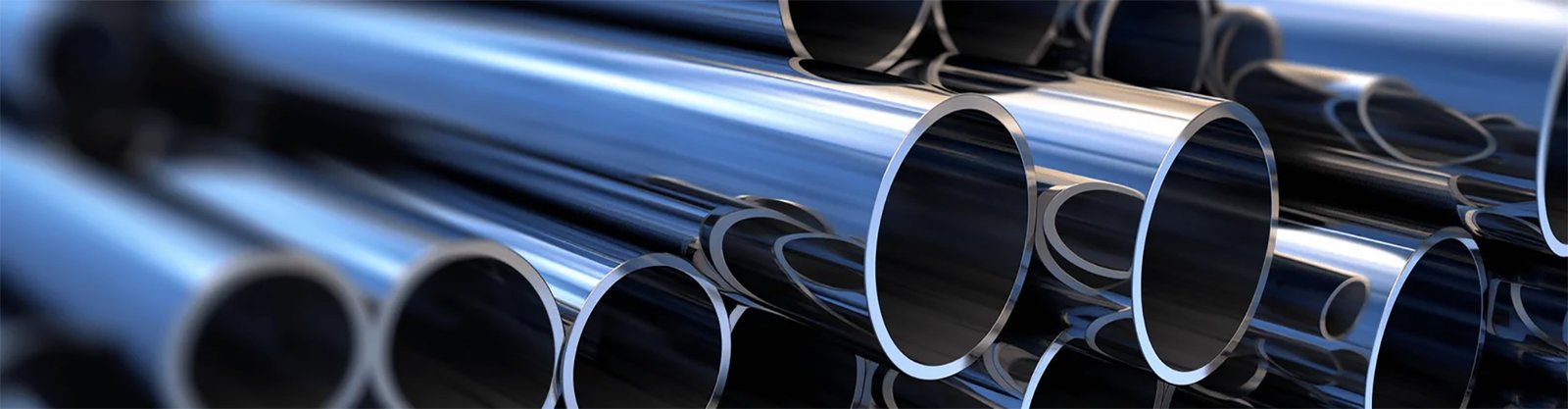
Titanium pipe has become an essential material in industries that demand strength, corrosion resistance, and long-term reliability. Its use spans aerospace, marine engineering, chemical processing, power generation, and increasingly, clean energy projects. As global infrastructure development accelerates, regions such as the Middle East and China present significant export opportunities for titanium pipe suppliers seeking growth in high-demand markets.
This article explores the market potential, key sectors, and trends driving demand for titanium pipe in these regions. We will also discuss how trusted suppliers like sakyalloy support customers in capitalizing on these opportunities with high-quality products and technical expertise.
Why Titanium Pipe Is in Demand
Titanium pipes are preferred in critical applications due to their:
-
Exceptional corrosion resistance to seawater, acids, and industrial chemicals.
-
High strength-to-weight ratio, offering durability without excessive mass.
-
Long service life, reducing maintenance needs and lifecycle costs.
-
Compatibility with high-temperature and high-pressure environments found in energy and industrial systems.
These properties align well with the industrial priorities of both the Middle East and China, where large-scale projects require materials that ensure safety, reliability, and cost-efficiency over decades.
Export Opportunities in the Middle East
1. Oil, Gas, and Petrochemical Industries
The Middle East remains a global leader in oil and gas production, with extensive petrochemical infrastructure. Titanium pipe is in demand for:
-
Seawater cooling systems in refineries and petrochemical plants.
-
Piping in offshore oil platforms, where resistance to saltwater corrosion is critical.
-
Processing units handling aggressive chemicals or high-temperature fluids.
As facilities modernize and expand, they increasingly specify titanium piping to minimize corrosion risks and downtime.
2. Desalination Plants
Desalination is a cornerstone of water supply in the Middle East. Titanium pipe is essential in:
-
Seawater intake and brine discharge lines that require resistance to corrosion and scaling.
-
Heat exchanger systems in thermal desalination plants.
New desalination projects and upgrades to existing plants continue to drive demand for titanium piping solutions.
3. Renewable Energy
Middle Eastern nations are investing heavily in renewable energy, particularly:
-
Offshore wind
-
Hydrogen production
-
Solar thermal power
Titanium pipe supports these initiatives through its use in cooling circuits, hydraulic systems, and hydrogen processing infrastructure.
Export Opportunities in China
1. Chemical Processing and Power Generation
China’s vast chemical and power industries create significant demand for titanium pipe:
-
Acid production and storage systems rely on titanium’s corrosion resistance.
-
Power plants use titanium piping in condenser and cooling systems exposed to aggressive environments.
-
Petrochemical facilities specify titanium pipe to improve efficiency and safety.
China’s focus on modernizing industrial infrastructure and enhancing environmental standards boosts demand for high-performance materials.
2. Marine and Shipbuilding
As one of the world’s largest shipbuilding nations, China uses titanium pipe in:
-
Seawater piping systems for naval and commercial vessels.
-
Submarine applications where durability and corrosion resistance are essential.
Titanium’s light weight and long-term reliability support the design goals of advanced marine vessels.
3. Clean Energy and Hydrogen Economy
China is investing heavily in hydrogen production and clean energy storage. Titanium pipe is increasingly used in:
-
Hydrogen electrolyzers
-
High-pressure hydrogen storage systems
-
Offshore wind-hydrogen hybrid projects
These sectors represent fast-growing opportunities for titanium pipe exports to China.
Regional Market Trends
Middle East
-
Focus on reducing lifecycle costs: Operators are prioritizing materials like titanium that offer long-term savings despite higher initial costs.
-
Sustainability initiatives: The region’s push toward cleaner energy sources supports titanium’s adoption in new infrastructure.
-
Major projects: Initiatives such as NEOM in Saudi Arabia and large-scale hydrogen hubs are specifying titanium for critical systems.
China
-
Government policy support: China’s industrial policies encourage the use of durable, sustainable materials.
-
Expanding infrastructure: Rapid development of clean energy, marine, and chemical sectors keeps demand high.
-
Preference for high-quality imports: Many Chinese buyers value imported titanium piping for its certified quality and traceability.
Challenges for Exporters
While opportunities are abundant, exporters should be prepared to navigate:
-
Strict certification and compliance requirements in both regions.
-
Complex logistics, especially for large-diameter or custom titanium pipes.
-
Price sensitivity, particularly where projects balance cost against long-term value.
-
Local competition from domestic suppliers and joint-venture operations.
Strategies for Success
Build Strong Partnerships
Working with experienced distributors, engineering firms, and end-users in each region helps exporters understand market expectations and secure long-term contracts.
Offer Certified Quality
Supplying titanium pipe that meets international and regional standards (ASTM, ASME, ISO) is crucial. Documentation, traceability, and testing data are essential for building trust.
Provide Technical Support
Buyers appreciate suppliers who offer more than just material. sakyalloy, for example, provides:
-
Material selection advice to match titanium grades with application needs.
-
Fabrication guidance for welding and handling titanium pipes.
-
Logistics coordination to support smooth delivery of export orders.
By partnering with sakyalloy, exporters can ensure that customers receive not only high-quality titanium pipes but also the expertise needed for successful project integration.
The Role of Trusted Suppliers
Reliable suppliers like sakyalloy help exporters and project owners meet the demands of complex markets:
-
High-quality titanium pipe with full certification and compliance to global standards.
-
Flexible production capabilities for standard and custom sizes, alloys, and quantities.
-
Strong supply chain management to handle the logistics of delivering titanium pipe to the Middle East and China efficiently.
Conclusion
The export opportunities for titanium pipe in Middle East & China are strong, driven by major investments in energy, water, and industrial infrastructure. From desalination plants and offshore platforms in the Middle East to hydrogen hubs and chemical plants in China, titanium piping systems are increasingly specified for their performance, reliability, and sustainability.
By understanding market dynamics, focusing on quality, and working with experienced partners like sakyalloy, exporters can successfully tap into these growing markets and contribute to the world’s most ambitious industrial and clean energy projects.