
Flexible Titanium Pipe: New Uses in Robotics
Robotics is a rapidly evolving field that demands advanced materials capable of meeting strict requirements in strength, flexibility, weight, and durability. As the industry pushes toward smaller, lighter, and more agile systems, the use of flexible titanium pipe has become a rising trend. Once reserved for aerospace and medical applications, titanium is now taking on new roles in robotic arms, automated manufacturing, surgical robots, and mobile robotic platforms.
This article explores how flexible titanium pipe is shaping innovation in robotics, what makes it suitable for such demanding environments, and how suppliers like sakyalloy are delivering custom-engineered titanium piping solutions to meet the future needs of automation.
What Is Flexible Titanium Pipe?
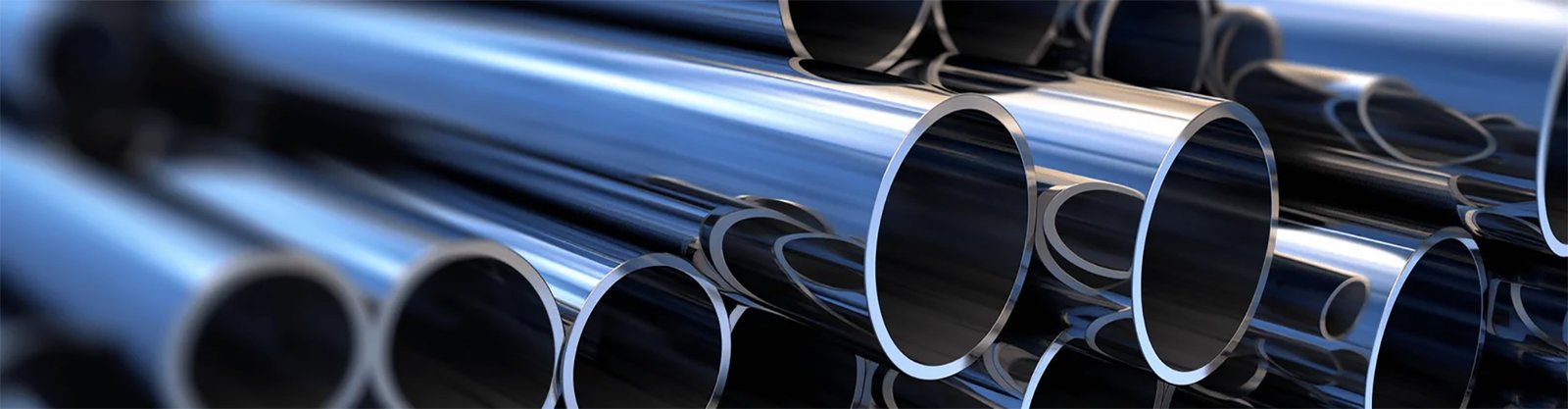
Flexible titanium pipe refers to titanium tubing or piping that is designed or formed to provide a degree of bendability, movement, or vibration absorption—while still maintaining the mechanical strength, corrosion resistance, and lightweight properties titanium is known for.
While titanium itself is not naturally elastic like some polymers, it can be engineered into thin-walled or corrugated formats, spiral wound structures, or fabricated into small-diameter pipes with a degree of flexibility. This allows titanium pipe to serve applications where some movement, directional changes, or adaptability are required—without compromising reliability.
Why Robotics Needs Titanium Pipe
The robotic systems of today and tomorrow must operate with a high degree of precision and resilience. Titanium pipe helps meet those expectations through several critical features:
-
High strength-to-weight ratio: Titanium is as strong as steel but nearly 45% lighter, making it perfect for robotic components that must be both strong and lightweight.
-
Corrosion resistance: In clean rooms, wet environments, or outdoor applications, titanium resists corrosion from chemicals, moisture, and industrial solvents.
-
Thermal stability: Robots that operate near heat sources or in high-temperature processes benefit from titanium’s ability to retain strength at elevated temperatures.
-
Biocompatibility: Surgical and medical robots use titanium components due to their safe interaction with biological tissue and sterilization resistance.
-
Fatigue resistance: Repeated motion and vibration are common in robotics, and titanium offers superior resistance to fatigue over time.
New Applications of Flexible Titanium Pipe in Robotics
1. Robotic Arms for Precision Assembly
In manufacturing environments, titanium pipe can be used inside articulated robotic arms to route hydraulic fluids, cooling liquids, or compressed air. Flexible titanium sections allow the pipe to bend with the arm’s movement, reducing stress on joints and minimizing the risk of fatigue failure.
2. Surgical Robots and Medical Devices
Surgical robots require compact tubing systems that can move and flex without failure. Flexible titanium pipes are ideal for minimally invasive surgical instruments, where they must be small, precise, and biocompatible. Their ability to be sterilized and endure repeated use makes them superior to plastics or stainless steel in some medical environments.
3. Aerospace Robotics
Space rovers, satellites, and autonomous drones often use robotic modules that encounter harsh conditions and require maximum weight reduction. Titanium piping is used to channel pressurized gas or coolant while enduring vibration and extreme temperature cycles. Corrugated or coiled titanium pipes offer flexibility with low weight for these systems.
4. Underwater Robotics
Remotely operated vehicles (ROVs) and underwater drones need corrosion-resistant tubing for hydraulics, air, or instrumentation lines. Titanium’s resistance to saltwater and marine environments makes it the preferred material. Flexible formats reduce strain during movement through currents and confined spaces.
How Flexible Titanium Pipe Is Manufactured
Producing flexible titanium pipe requires specialized forming and fabrication techniques. Common methods include:
-
Corrugation: Forming wave-like grooves into thin titanium tubing allows for increased flexibility and movement while maintaining pressure capacity.
-
Helical coiling: Coiled or spiral-wound titanium tubing offers compression and expansion flexibility, often used in telescoping or retractable robotic systems.
-
Thin-wall drawing: Precision-drawn titanium pipes with ultra-thin walls offer limited bendability while maintaining structural integrity for routing through tight robotic assemblies.
Each method requires strict quality control and advanced fabrication skills, which are standard practices at sakyalloy, a trusted global supplier of titanium solutions.
Challenges of Working with Titanium in Robotics
While titanium offers many advantages, it presents challenges that must be addressed in design and manufacturing:
-
Higher material and processing costs compared to steel or aluminum
-
Specialized welding and forming equipment is needed to shape and assemble titanium
-
Limited natural flexibility, which requires smart engineering solutions like corrugation or coiling to achieve desired performance
Despite these challenges, the long-term performance benefits often outweigh initial costs—especially in high-precision or mission-critical robotic systems.
How sakyalloy Supports Robotic Innovation
As robotics expands into more industries, the need for high-performance piping components continues to grow. sakyalloy supports innovation with:
-
Custom-fabricated titanium pipe in both standard and flexible formats
-
Material grades suited for medical, aerospace, and industrial robotic use
-
Thin-wall titanium tubing, corrugated titanium pipe, and coiled solutions
-
Full documentation, traceability, and compliance with ASTM B861/B862 and other standards
By collaborating with engineers and system integrators, sakyalloy helps bring cutting-edge robotic systems to life with titanium components that meet the most rigorous demands.
The Future of Robotics and Titanium Integration
As robotic systems become more autonomous, more mobile, and more integrated with human environments, titanium pipe will play a greater role in:
-
Wearable exoskeletons: Flexible titanium lines can transmit fluids or power to jointed frames for medical and industrial support.
-
Soft robotics: In systems that blend rigid and flexible elements, titanium may provide the structural support for fluid-driven movement.
-
AI-powered autonomous machines: Drones, cleaning robots, and defense units will continue to rely on materials that last longer and reduce system weight.
Titanium’s continued advancement in flexibility and forming technology will expand its applications in the next generation of robotics.
Conclusion
Flexible titanium pipe is opening new doors in robotics, enabling systems that are lighter, more reliable, and more adaptable than ever before. From precision medical devices to industrial automation arms and space exploration tools, titanium offers the strength, corrosion resistance, and durability needed to meet future demands.
While not naturally flexible like some polymers, engineered titanium pipe formats now provide movement capabilities that align perfectly with robotic innovations. Backed by expert suppliers like sakyalloy, robotic engineers and manufacturers can source custom solutions tailored to exact needs—helping to build smarter, stronger, and more efficient machines for the future.