
Heat Treatment for Titanium Pipe: When and Why
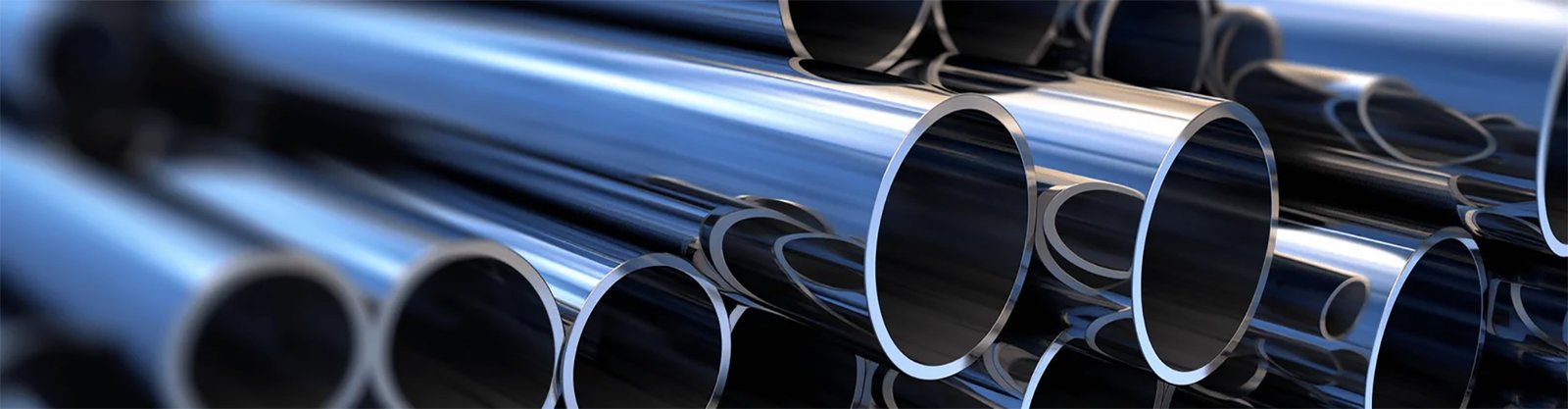
Titanium pipe is a material of choice for applications that demand high strength, low weight, and excellent resistance to corrosion. From aerospace to marine engineering, from chemical processing to medical devices, titanium pipes are critical to systems where failure is not an option. But to achieve the desired performance in these demanding environments, titanium pipe often undergoes heat treatment. In this article, we explore heat treatment for titanium pipe: when and why it is applied, the methods used, and the benefits it provides. Whether you are a design engineer, fabricator, or procurement specialist, understanding the role of heat treatment is key to specifying and using titanium pipes effectively.
The Unique Properties of Titanium and the Role of Heat Treatment
Titanium is well known for its exceptional mechanical properties, including a high strength-to-weight ratio, excellent corrosion resistance, and good fatigue performance. However, titanium’s microstructure — and therefore its mechanical properties — can be altered through controlled heat treatment.
Heat treatment is used to:
-
Relieve stresses introduced during manufacturing or fabrication.
-
Improve ductility and toughness for forming or machining.
-
Enhance strength for specific applications.
-
Control grain size to optimize mechanical performance.
Heat treatment provides a means to tailor the properties of titanium pipe to the specific needs of the application, ensuring safety, reliability, and efficiency in service.
When Is Heat Treatment Applied to Titanium Pipe?
1. After Cold Working or Forming
Titanium pipes often undergo cold working during fabrication processes like bending, flaring, or drawing. While cold working improves strength through strain hardening, it also introduces residual stresses and can reduce ductility. Heat treatment is applied after cold working to:
-
Relieve residual stresses that could lead to distortion or cracking.
-
Restore ductility, making further forming or machining easier.
-
Stabilize dimensions for precision components.
2. After Welding
Welding titanium pipe — whether by TIG, plasma, or electron beam methods — creates heat-affected zones (HAZ) with altered microstructures. Post-weld heat treatment is sometimes used to:
-
Reduce residual stress around the weld joint.
-
Improve corrosion resistance of the HAZ by homogenizing the microstructure.
-
Restore mechanical properties near the weld.
While titanium is often welded without post-weld heat treatment due to its excellent weldability, certain critical applications or heavy-section pipes may require it.
3. Before Final Machining
Heat treatment before final machining can:
-
Minimize warping or distortion during machining by stabilizing the material.
-
Ensure consistent hardness and machinability across the entire pipe.
This is particularly valuable for precision components where tight tolerances must be maintained.
4. For Application-Specific Property Enhancement
Certain high-performance applications, such as aerospace hydraulic systems or marine heat exchangers, may require titanium pipe with enhanced strength or toughness. Heat treatment can be used to achieve these properties through controlled phase transformations and grain size refinement.
Types of Heat Treatment for Titanium Pipe
Several heat treatment processes are used for titanium pipe, depending on the desired outcome.
Annealing
Annealing is the most common heat treatment applied to titanium pipe. It involves heating the material to a specific temperature, holding it there for a period of time, and then cooling it at a controlled rate. The key purposes of annealing titanium pipe include:
-
Stress relief
-
Improved ductility
-
Grain refinement
-
Homogenization of the microstructure
Typical annealing temperatures for commercially pure titanium are in the range of 650°C to 750°C (1200°F to 1380°F), while titanium alloys like Ti-6Al-4V may be annealed at slightly higher temperatures.
Stress Relief Heat Treatment
Stress relief heat treatment is performed at lower temperatures than full annealing, typically around 480°C to 595°C (900°F to 1100°F). It aims to remove internal stresses without significantly altering the microstructure or mechanical properties.
Stress relief treatments are especially useful after cold forming or welding.
Solution Treatment and Aging (STA)
For titanium alloys that require higher strength, solution treatment followed by aging is used. This process involves:
-
Heating the pipe to a temperature where certain alloying elements go into solution.
-
Rapidly cooling (quenching) to retain the solution phase.
-
Aging at a lower temperature to precipitate strengthening phases.
This method is mainly applied to titanium alloys such as Ti-6Al-4V and other alpha-beta or beta titanium alloys used in aerospace and high-performance engineering.
Factors to Consider During Heat Treatment of Titanium Pipe
Atmosphere Control
Titanium is highly reactive at elevated temperatures. If heat treatment is performed in the presence of oxygen, nitrogen, or hydrogen, the material may form brittle surface layers (alpha case) that can impair performance. Therefore:
-
Heat treatment is typically conducted in a vacuum or inert atmosphere (such as argon).
-
Surface protection measures, like wrapping in foil or coating, may also be used in certain cases.
Heating and Cooling Rates
Uniform heating and controlled cooling are essential to avoid thermal gradients that could cause distortion or residual stresses. Rapid cooling is applied selectively, such as in solution treatment, but care must be taken to avoid introducing quench cracks.
Equipment and Process Control
Precision furnaces with accurate temperature control and atmosphere management are necessary to ensure consistent, defect-free results.
Benefits of Heat Treatment for Titanium Pipe
When properly applied, heat treatment offers significant advantages:
-
Improved formability: Pipes can be bent, flared, or formed with lower risk of cracking.
-
Enhanced fatigue life: Especially important in cyclic load applications like aerospace hydraulic lines.
-
Dimensional stability: Reduces the risk of distortion during machining or service.
-
Optimized strength and toughness: Tailors material performance to application requirements.
-
Improved weld quality: Where applied, post-weld heat treatment ensures homogeneous properties around the weld zone.
Applications That Demand Heat-Treated Titanium Pipe
Heat treatment is critical in several high-performance applications:
-
Aerospace: Hydraulic systems, fuel lines, and structural components where precision and strength are vital.
-
Marine: Seawater piping systems where stress relief prevents cracking under dynamic loads.
-
Chemical processing: Titanium piping systems exposed to thermal cycling or aggressive chemicals benefit from stress relief and improved toughness.
-
Medical: Precision surgical tubing and implants that require stable, predictable properties.
The Role of sakyalloy in Titanium Heat Treatment Solutions
At sakyalloy, we supply titanium pipe produced to the highest standards and provide technical support to help customers determine when heat treatment is beneficial for their applications. Our titanium pipes are manufactured with tight dimensional tolerances and consistent material properties, making them ideal for further processing, including heat treatment.
sakyalloy also works closely with fabricators and engineers to ensure that titanium pipe solutions are optimized for forming, welding, machining, and final service conditions. Our expertise in titanium metallurgy ensures that the right heat treatment strategies are applied to achieve the best possible results.
Conclusion
Heat treatment for titanium pipe is a critical tool for achieving the mechanical properties, dimensional stability, and long-term performance that demanding applications require. Whether to relieve stress after forming, enhance strength for structural applications, or prepare material for precision machining, heat treatment allows engineers and fabricators to unlock the full potential of titanium pipe.
By understanding when and why heat treatment is applied, and by working with trusted suppliers like sakyalloy, industries can ensure that their titanium piping systems deliver reliability, safety, and value in the most challenging environments.