
High Strength, Low Weight: The Engineering Benefits of Grade 9 Titanium Alloy
In modern engineering and advanced manufacturing, the demand for materials that combine exceptional strength with low weight has never been greater. Among the many titanium alloys used today, Grade 9 Titanium Alloy (Ti-3Al-2.5V) has established itself as a leading solution for applications that require durability, performance, and corrosion resistance without adding unnecessary mass. In this article, sakyalloy explores how the unique properties of Grade 9 Titanium Alloy deliver outstanding engineering benefits across aerospace, marine, industrial, and automotive sectors.
1. Introduction: The Need for High Strength and Low Weight
From airplanes to racing bicycles, the push for higher efficiency and better performance drives engineers to seek materials that can withstand extreme conditions while remaining lightweight. Traditional metals like steel offer great strength but are heavy, while aluminum is light but lacks sufficient strength for demanding applications.
Grade 9 Titanium Alloy bridges this gap perfectly. Its superior strength-to-weight ratio, excellent corrosion resistance, and ease of fabrication make it a top choice for engineers who require both power and precision.
2. Composition of Grade 9 Titanium Alloy (Ti-3Al-2.5V)
Grade 9 Titanium is an alpha-beta titanium alloy that contains 3% aluminum and 2.5% vanadium. These elements play key roles in optimizing the alloy’s mechanical and chemical performance.
| Element | Content (%) | Function |
|---|---|---|
| Titanium (Ti) | Balance | Provides light weight and corrosion resistance. |
| Aluminum (Al) | 2.5 – 3.5 | Strengthens the alloy and improves thermal stability. |
| Vanadium (V) | 2.0 – 3.0 | Enhances ductility and fatigue strength. |
| Iron (Fe) | ≤ 0.25 | Contributes to tensile strength. |
| Oxygen (O) | ≤ 0.20 | Improves strength but controlled for toughness. |
| Carbon (C) | ≤ 0.08 | Adds hardness while maintaining ductility. |
This precise balance produces an alloy that offers greater strength than commercially pure titanium while retaining excellent formability and weldability, giving it an edge over higher-strength alloys like Ti-6Al-4V (Grade 5).
3. Mechanical Properties of Grade 9 Titanium
The mechanical performance of Grade 9 Titanium is what makes it a preferred engineering material.
| Property | Typical Value | Engineering Benefit |
|---|---|---|
| Density | 4.48 g/cm³ | 45% lighter than steel, ideal for weight reduction. |
| Tensile Strength | 620 – 700 MPa | Provides excellent load-bearing capacity. |
| Yield Strength | 480 – 550 MPa | Ensures stability under pressure and stress. |
| Elongation | 15 – 20% | Retains ductility for forming and fabrication. |
| Modulus of Elasticity | 105 GPa | Offers stiffness without brittleness. |
| Fatigue Strength | ~450 MPa | Resists cyclic loading for long service life. |
| Hardness | 200 – 250 HB | Strong and wear-resistant surface. |
The combination of high tensile strength and low density gives Grade 9 Titanium a specific strength (strength-to-weight ratio) that surpasses steel and aluminum, making it a key material in structural and mechanical engineering.
4. Comparing Strength and Weight with Other Metals
| Material | Density (g/cm³) | Tensile Strength (MPa) | Strength-to-Weight Ratio |
|---|---|---|---|
| Carbon Steel | 7.85 | 550 | 70 |
| Stainless Steel | 7.90 | 600 | 76 |
| Aluminum Alloy 7075 | 2.80 | 550 | 196 |
| Titanium Grade 9 (Ti-3Al-2.5V) | 4.48 | 700 | 156 |
| Titanium Grade 5 (Ti-6Al-4V) | 4.43 | 895 | 202 |
While Grade 5 Titanium offers higher strength, Grade 9 provides superior formability and weldability, making it ideal for applications that require complex shapes or tubular structures where ease of fabrication is essential.
5. Strength and Weight in Real Engineering Applications
Aerospace Structures
In the aerospace sector, every kilogram saved translates directly into improved fuel efficiency and payload capacity. Grade 9 Titanium is widely used for:
-
Hydraulic and pneumatic tubing
-
Airframe supports and brackets
-
Exhaust and cooling systems
Its high fatigue resistance and thermal stability up to 400°C make it ideal for critical systems that endure both pressure and heat.
Marine Engineering
For offshore platforms, desalination plants, and ship components, corrosion and weight are two major concerns. Grade 9 Titanium resists chloride and saltwater corrosion while reducing overall mass, which improves buoyancy and fuel efficiency.
Automotive and Motorsport
High-performance cars and racing motorcycles use Grade 9 Titanium in exhausts, suspension parts, and fasteners due to its lightweight durability and ability to withstand thermal cycling and vibration.
Industrial Applications
In chemical and power plants, Grade 9 is used in heat exchangers, condensers, and process piping where both corrosion resistance and structural integrity are essential.
Medical and Sports Equipment
Its biocompatibility and high strength make it ideal for surgical instruments, prosthetics, and high-end sports gear such as golf clubs, tennis rackets, and bicycles.
6. Engineering Advantages of High Strength-to-Weight Ratio
-
Improved Efficiency:
Reduced weight means lower fuel consumption in aircraft, ships, and vehicles. -
Enhanced Performance:
Higher strength allows for smaller, thinner components without compromising safety. -
Lower Inertia:
Lightweight components accelerate and decelerate faster, improving energy efficiency. -
Increased Payload:
In aerospace and marine applications, weight reduction translates into higher load capacity. -
Reduced Maintenance Costs:
Titanium’s natural corrosion resistance extends service life and minimizes downtime.
These advantages explain why sakyalloy Grade 9 Titanium Alloy is a preferred choice for engineers seeking optimized performance.
7. Corrosion Resistance: Strength That Lasts
While mechanical performance is vital, durability under harsh environments is equally important. Grade 9 Titanium forms a self-healing oxide layer (TiO₂) that prevents corrosion even when scratched or exposed to seawater.
Key corrosion-resistant characteristics include:
-
Resistance to pitting and crevice corrosion in chloride environments.
-
Stability in acidic and alkaline solutions.
-
Protection against oxidation at elevated temperatures.
This makes it ideal for long-term use in marine, offshore, and chemical processing industries, where exposure to moisture and chemicals is constant.
8. Temperature and Oxidation Behavior
Grade 9 Titanium maintains its mechanical properties across a wide temperature range:
-
Operational range: -250°C to 400°C
-
Short-term exposure: up to 480°C
At elevated temperatures, the alloy’s aluminum content enhances oxidation resistance, preventing scaling and surface degradation. This makes it reliable in aerospace exhaust systems, heat exchangers, and turbine assemblies where both heat and stress coexist.
9. Formability and Weldability: Engineering Flexibility
One of Grade 9’s greatest advantages is its ability to be formed and welded with ease — a property that sets it apart from other high-strength titanium alloys.
-
Cold forming: Up to 30% deformation without cracking.
-
Hot forming: Effective between 700–850°C for precision shaping.
-
Welding: Compatible with TIG, MIG, and electron beam methods, maintaining corrosion resistance post-weld.
This fabrication flexibility allows engineers to create complex, high-performance structures while reducing machining costs and production time.
10. Fatigue and Creep Resistance
The fine alpha-beta microstructure of Grade 9 Titanium gives it outstanding fatigue resistance, allowing it to endure millions of stress cycles without cracking — essential for aircraft, engines, and structural systems.
It also exhibits excellent creep resistance, meaning it can resist deformation under prolonged stress and temperature exposure, ensuring stability over years of service.
11. Sustainability and Environmental Advantages
Titanium is a fully recyclable material, and its long service life reduces environmental impact. The use of lightweight titanium components in vehicles and aircraft also contributes to lower CO₂ emissions through fuel savings.
By choosing Grade 9 Titanium, industries can achieve both technical performance and sustainability, aligning with modern green engineering goals.
12. Standards and Quality Assurance
All sakyalloy Grade 9 Titanium products conform to international quality standards such as:
-
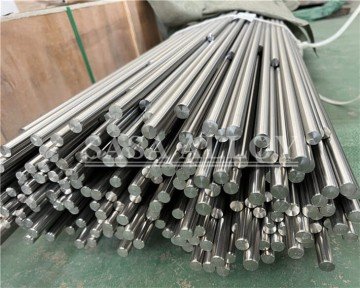
ASTM B348 – Titanium and Titanium Alloy Bars and Rods
-
AMS 4943 / AMS 4944 – Aerospace specifications for Ti-3Al-2.5V
-
ISO 5832-11 – Medical titanium alloy standard
Every batch undergoes:
-
Chemical composition verification
-
Ultrasonic and pressure testing
-
Mechanical testing for tensile, yield, and elongation properties
-
Surface and dimensional inspection to ensure precision and reliability
Through these quality processes, sakyalloy ensures that its titanium alloys consistently meet global engineering standards.
13. Economic and Lifecycle Benefits
Although titanium alloys have higher upfront costs compared to steel or aluminum, the long-term benefits of Grade 9 Titanium make it highly cost-effective:
-
Longer lifespan with minimal corrosion or fatigue failures.
-
Reduced maintenance and replacement frequency.
-
Lower transportation costs due to reduced component weight.
These attributes make Grade 9 not just an engineering solution but a financially sound investment for industries aiming to optimize performance and efficiency.
14. Conclusion
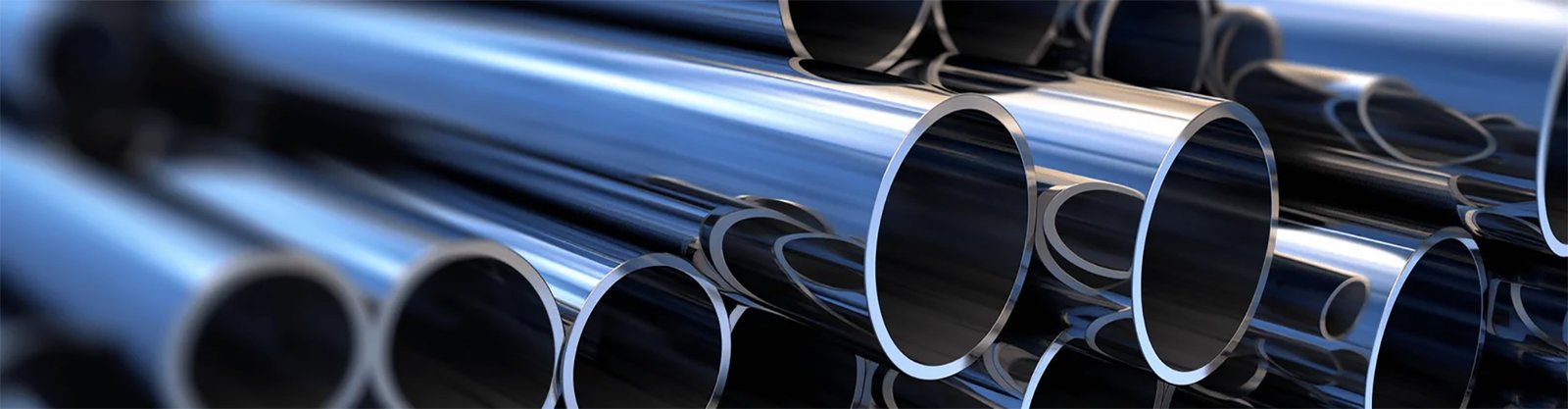
The Grade 9 Titanium Alloy (Ti-3Al-2.5V) represents the perfect marriage of high strength and low weight, offering engineers a material that delivers both performance and reliability. With its superior corrosion resistance, fatigue strength, and formability, it stands out as one of the most versatile titanium alloys for modern industry.
Whether used in aircraft tubing, marine systems, or performance vehicles, sakyalloy Grade 9 Titanium Alloy provides the ideal combination of durability, efficiency, and precision.
As industries continue to demand lighter, stronger, and more sustainable materials, sakyalloy remains at the forefront — delivering titanium solutions that redefine what’s possible in engineering.