
How Corrosion-Resistant Is Titanium Bar in Seawater?
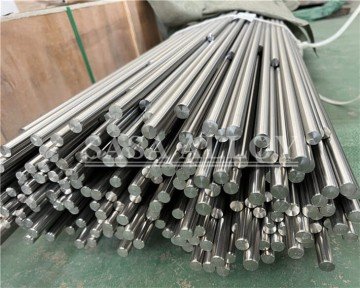
Titanium has long been recognized as one of the most corrosion-resistant metals on the planet. Its ability to withstand aggressive environments, particularly seawater, makes it a top choice in marine, offshore, and desalination industries. When it comes to titanium bar, this material showcases exceptional durability and performance, especially in chloride-rich environments like oceans.
This article explores how corrosion-resistant titanium bar is in seawater, diving into its protective properties, applications, comparison with other metals, and real-world case studies. Engineers, marine architects, and procurement specialists will benefit from a deeper understanding of why sakyalloy titanium bar is a premium solution for seawater applications.
Why Corrosion Resistance Matters in Seawater
Seawater is one of the most corrosive natural environments, containing:
-
High concentrations of chloride ions
-
Dissolved oxygen
-
Organic matter
-
Bacteria and biofouling organisms
-
Fluctuating temperatures and pH levels
Metals exposed to seawater are subject to rapid degradation if they are not specifically engineered to resist corrosion. This is especially true for components like pipes, pumps, valves, structural supports, and heat exchangers.
How Titanium Resists Corrosion in Seawater
1. Formation of Passive Oxide Film
The primary reason for titanium’s superior corrosion resistance is its thin, stable, and self-healing oxide layer (TiO₂) that forms instantly upon exposure to oxygen, even in water.
-
This film blocks the penetration of chloride ions
-
If scratched or damaged, the layer re-forms almost immediately
-
It remains stable in both aerated and stagnant seawater
This characteristic gives titanium bar an unmatched advantage in marine environments.
2. Resistance to Crevice and Pitting Corrosion
Many metals suffer from localized corrosion such as pitting or crevice attack, especially under marine deposits or in low-oxygen conditions.
Titanium resists these forms of corrosion even when exposed to:
-
Marine growth
-
Mud and sediment
-
Stagnant water zones
-
High-temperature conditions
This makes titanium bar ideal for applications like submerged components, mooring systems, and offshore structures.
3. No Risk of Stress Corrosion Cracking (SCC)
Stress corrosion cracking is a failure mode common in stainless steels when exposed to chlorides and tensile stress.
Titanium, even under high stress and in warm, oxygenated seawater, shows no tendency to develop SCC, giving it a significant safety margin in demanding applications.
Grades of Titanium for Marine Use
Titanium comes in several grades, but the following are most commonly used in seawater environments:
| Grade | Description | Seawater Performance |
|---|---|---|
| Grade 2 | Commercially pure titanium | Excellent resistance to general and localized corrosion |
| Grade 5 (Ti-6Al-4V) | Titanium alloy with aluminum and vanadium | High strength and good seawater resistance |
| Grade 7 | Titanium alloy with palladium | Superior crevice corrosion resistance |
| Grade 12 | Alloy with Mo and Ni | Excellent for high-temperature and highly corrosive seawater |
sakyalloy supplies marine-grade titanium bars including Grade 2 and Grade 7 with certified corrosion performance.
Real-World Applications of Titanium Bar in Seawater
1. Desalination Plants
Titanium bar is widely used in:
-
Evaporator tubes
-
Pump shafts
-
Heat exchanger components
These systems operate at high temperatures and salinity, where titanium outperforms copper-nickel and stainless steel.
2. Offshore Oil & Gas Platforms
Titanium bars are used in:
-
Structural supports
-
Riser tension systems
-
Fire suppression waterlines
-
Splash zone equipment
Its resistance to corrosion and biofouling ensures long-term performance with minimal maintenance.
3. Marine Vessels and Submarines
Applications include:
-
Propeller shafts
-
Hydraulic systems
-
Ballast water systems
-
Underwater instrumentation housings
Titanium’s lightweight and non-magnetic properties provide extra benefits in naval applications.
4. Oceanographic Equipment
For sensors, anchors, and buoys exposed to long-term seawater immersion, titanium bars offer:
-
Longevity
-
Structural integrity
-
Protection from marine bio-attack
sakyalloy titanium bar is engineered to meet these challenging marine performance requirements.
Titanium vs. Other Metals in Seawater
| Metal | Corrosion Resistance in Seawater | Notes |
|---|---|---|
| Titanium | Excellent | No rust, no pitting, long life |
| Stainless Steel (316) | Moderate | Prone to pitting and crevice corrosion |
| Duplex Stainless | Better than 316 | Still can suffer under high chlorides |
| Copper-Nickel | Good | Biofouling resistant, but not suitable for high temps |
| Aluminum Alloys | Poor to fair | Corrodes quickly in seawater |
| Carbon Steel | Very poor | Rapid rusting without coating |
Clearly, titanium bar outperforms all other options in corrosive marine environments.
Maintenance Benefits of Titanium in Seawater Systems
Using titanium bar in seawater systems drastically reduces:
-
Corrosion-related failures
-
Replacement frequency
-
Unscheduled maintenance
-
Downtime in critical operations
Although the initial cost of titanium may be higher than some materials, its total lifecycle cost is much lower due to:
-
Longer service life (20–40 years)
-
No need for coatings or cathodic protection
-
Resistance to marine growth and fouling
-
Recyclability and environmental compliance
Certifications and Standards
Titanium bars for marine use must meet international standards such as:
-
ASTM B348 – Titanium and titanium alloy bars
-
ASTM B381 – Titanium forgings
-
ISO 5832-2 – For corrosion-resistant titanium alloy bars
-
NORSOK M-650 – Offshore titanium material qualification
-
DNV and ABS – Marine classification societies
sakyalloy provides titanium bars with full traceability, mill test certificates, and third-party inspection reports upon request.
Why Choose sakyalloy for Marine Titanium Bars?
sakyalloy is a reliable supplier of titanium products, with specialization in corrosion-resistant bar materials for marine environments.
We offer:
-
Grades 2, 5, 7, and 12 titanium bar
-
Precision machining and custom sizes
-
Surface treatment and polishing options
-
Fast delivery and global logistics
-
Full compliance with ASTM, ISO, and marine standards
Whether you are building a desalination plant or outfitting an offshore rig, sakyalloy titanium bar ensures unmatched performance and peace of mind.
Conclusion
Titanium bar is extremely corrosion-resistant in seawater, offering long-term durability, safety, and efficiency in harsh marine environments. Its resistance to pitting, crevice corrosion, and stress cracking makes it ideal for offshore, naval, and desalination applications where failure is not an option.
Compared to stainless steel or copper alloys, titanium bar provides decades of maintenance-free service, justifying its investment in critical infrastructure.