
How Long Does Titanium Pipe Last Under Stress
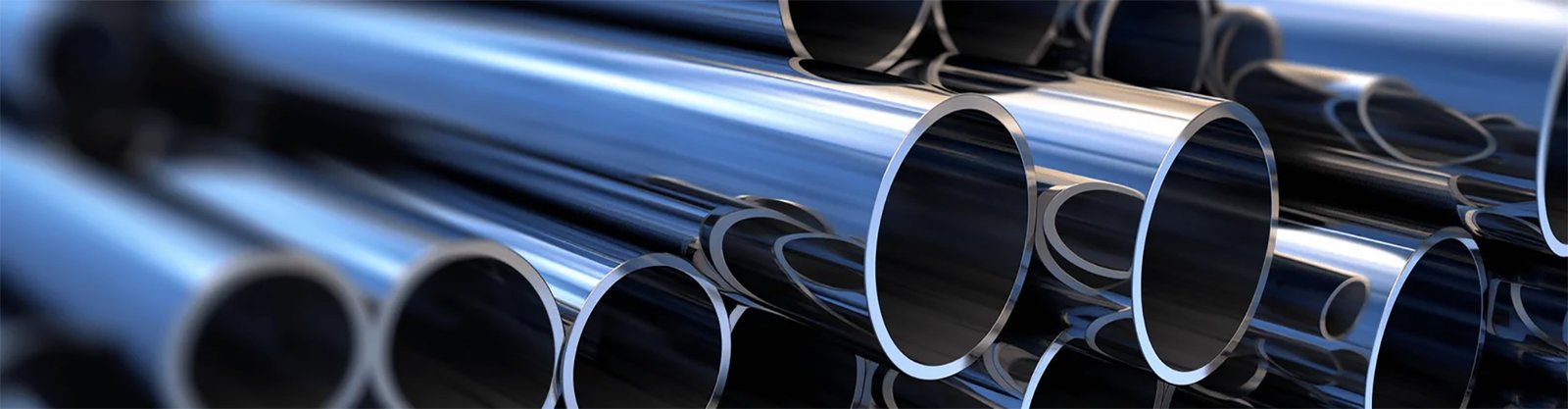
Titanium pipe is widely regarded as one of the most durable and reliable piping materials in modern industry. Known for its excellent strength-to-weight ratio corrosion resistance and fatigue performance titanium is often chosen for high-stress environments including aerospace marine chemical processing and power generation. But exactly how long does titanium pipe last under stress
This article explores the key factors that determine the lifespan of titanium pipe when subjected to mechanical thermal and environmental stress. From the role of material grade and fabrication to service conditions and maintenance practices we provide a comprehensive understanding of what influences longevity. Whether you are planning a titanium piping system or assessing its performance this guide from sakyalloy will help you make informed decisions.
What Does “Stress” Mean in Titanium Pipe Applications
When discussing stress in piping systems we refer to various forces that act on the material during its service life. These stresses can include
Mechanical stress from internal pressure tensile loads or vibration
Thermal stress from temperature fluctuations and heat cycles
Chemical stress due to exposure to corrosive or reactive media
Fatigue stress caused by repeated loading and unloading cycles
The way titanium responds to each type of stress is key to understanding its lifespan in real-world applications
Mechanical Strength and Stress Resistance of Titanium Pipe
Titanium is known for its high tensile strength and low density which gives it the ability to endure high mechanical loads without deforming
Commercially pure grades such as Grade 2 have tensile strength around 350 MPa and are used in moderate stress environments
Alloyed grades like Grade 5 also known as Ti6Al4V offer tensile strength above 895 MPa making them suitable for heavy stress and load-bearing systems
When properly specified and fabricated titanium pipes can maintain structural integrity under high internal pressure or external loads for decades
Fatigue Performance and Cyclic Loading
One of the main challenges in high-stress environments is fatigue caused by cyclic loading. This occurs in systems where the pipe is repeatedly pressurized or flexed such as in hydraulic loops engine systems or offshore rigs
Titanium offers excellent fatigue resistance especially when compared to stainless steel or aluminum
However surface condition welding quality and microstructural consistency play critical roles
With proper surface finishing and precision welding titanium pipes can achieve fatigue life exceeding 10 million cycles under normal loading
To maximize fatigue life pipes must be installed with minimal vibration exposure and with stress concentrations like sharp bends or weld defects carefully avoided
Corrosion Resistance in Harsh Environments
Another major source of long-term stress is environmental exposure. Titanium naturally forms a stable oxide film that protects it from corrosion even in aggressive media like seawater chlorine and acids
Grade 2 and Grade 7 titanium are commonly used in chemical processing due to their resistance to oxidizing and reducing environments
In marine and offshore applications titanium pipe can last over 40 years without significant corrosion even under continuous saltwater immersion
In high-temperature acidic systems the corrosion resistance of titanium can outperform specialty alloys including Hastelloy and Inconel
Because corrosion thinning is a major failure mode in many metals the superior resistance of titanium extends its service life dramatically
Thermal Stress and High Temperature Durability
In thermal cycling environments titanium performs exceptionally well. Its low thermal expansion reduces stress at joints and fittings during heating and cooling
Grade 5 titanium alloy maintains strength up to 400 degrees Celsius
Unalloyed titanium such as Grade 2 is stable up to 300 degrees Celsius under continuous operation
When used in heat exchangers or exhaust systems titanium pipes can operate for 20 to 30 years without structural degradation
Proper design must allow for thermal expansion and contraction especially in long piping runs to prevent fatigue or deformation
Real-World Lifespan Estimates for Titanium Pipe Under Stress
In practical industrial conditions the expected service life of titanium pipe can vary depending on several factors
In desalination plants titanium pipe has a documented service life exceeding 40 years
In offshore oil rigs titanium pipe lasts 30 to 35 years under high mechanical and corrosive stress
In aircraft hydraulic systems fatigue-resistant titanium tubing operates safely for 25 to 30 years with rigorous maintenance
In chemical plants Grade 2 titanium pipe can perform for over 20 years even under continuous exposure to acids and chlorides
These numbers reflect not only the inherent material properties but also the importance of proper design fabrication and inspection
Factors That Influence Titanium Pipe Longevity
Several variables can affect how long a titanium pipe will last under stress
Pipe grade and alloy composition
Wall thickness and dimensional tolerances
Welding quality and fabrication practices
Surface finish and cleanliness
Presence of vibrations or shock loads
Operating temperature and pressure
Chemical exposure type and concentration
Maintenance frequency and inspection protocols
By controlling these factors you can maximize the lifespan of titanium piping in almost any setting
Maintenance Strategies to Extend Service Life
Even with titanium’s exceptional performance proactive maintenance is essential for long-term reliability
Conduct regular visual inspections to detect surface damage or weld cracks
Use non-destructive testing like ultrasonic or eddy current methods for internal flaw detection
Flush and clean pipes regularly in chemical systems to prevent buildup or scaling
Monitor pressure cycles and vibration levels in dynamic systems
Repair or replace worn fittings and supports to reduce localized stress
By following these practices facility managers can significantly extend the life of titanium piping systems and avoid unplanned downtime
Why sakyalloy Titanium Pipe Is Built to Last
sakyalloy supplies titanium pipe that meets international standards including ASTM B861 and B862 in both seamless and welded forms. Our products are tested for mechanical strength dimensional accuracy and chemical resistance
With experience in supplying titanium materials for energy chemical aerospace and marine industries sakyalloy offers
Reliable titanium pipe grades suited for high-stress and long-term applications
Precision welding and fabrication options for custom systems
Technical support for pipe selection and design optimization
Global delivery with full certification and traceability
When quality and lifespan matter choosing a reputable supplier like sakyalloy ensures your titanium system performs as expected over decades of operation
Conclusion
So how long does titanium pipe last under stress The answer depends on the stress type material grade environment and how well the system is designed and maintained. In most cases titanium pipe can easily surpass 20 to 40 years of service life in demanding conditions
Its resistance to corrosion fatigue and thermal degradation makes titanium one of the best choices for high-stress piping systems. With proper design installation and upkeep titanium piping will deliver unmatched longevity and reliability
Whether you are building a chemical processing plant outfitting an offshore rig or engineering a high-performance cooling system titanium pipe from sakyalloy offers the durability you need to meet the challenge