
How Strong is Grade 4 Titanium?
Titanium has become a vital material across industries ranging from aerospace and marine to chemical processing and medical technology. Its combination of strength, corrosion resistance, and light weight makes it one of the most valuable engineering metals in the world. Within the commercially pure (CP) titanium family, Grade 4 titanium is known as the strongest option.
But just how strong is Grade 4 titanium? This article provides a detailed look at the mechanical properties, advantages, applications, and performance of Grade 4 titanium, offering engineers, buyers, and manufacturers valuable insight into why it is often selected for demanding environments.
What is Grade 4 Titanium?
Grade 4 titanium belongs to the group of commercially pure titanium grades, which range from Grade 1 to Grade 4. Each grade differs in oxygen content, which directly affects strength and ductility.
-
Grade 1: Softest, most ductile, excellent corrosion resistance.
-
Grade 2: Balance of strength and corrosion resistance, widely used.
-
Grade 3: Higher strength, less ductility.
-
Grade 4: Strongest of the CP grades, with the highest oxygen content.
Grade 4 titanium maintains the corrosion resistance and biocompatibility of pure titanium but delivers significantly higher mechanical strength.
Mechanical Properties of Grade 4 Titanium
| Property | Typical Value |
|---|---|
| Tensile Strength | ~550 MPa |
| Yield Strength | ~480 MPa |
| Elongation | ~15% |
| Hardness (HB) | ~200 |
| Density | 4.5 g/cm³ |
Strength-to-Weight Ratio
One of the most impressive aspects of Grade 4 titanium is its strength-to-weight ratio. While it is about 45% lighter than steel, it provides strength comparable to many stainless steels. This makes it a superior material where weight reduction is essential without compromising structural integrity.
Comparison with Other Titanium Grades
-
Grade 1: Tensile strength ~240 MPa (much weaker but more ductile).
-
Grade 2: Tensile strength ~345 MPa (lower than Grade 4 but widely used for piping).
-
Grade 3: Tensile strength ~450 MPa (intermediate).
-
Grade 4: Tensile strength ~550 MPa (highest strength among CP titanium).
Observation: Grade 4 sacrifices some ductility compared to Grades 1 and 2, but offers the strength needed for more demanding applications.
Comparison with Titanium Alloys
Titanium alloys such as Grade 5 (Ti-6Al-4V) can reach tensile strengths of 900–1100 MPa, significantly higher than Grade 4. However, Grade 4 is easier to weld, more corrosion resistant in certain environments, and less costly than alloyed titanium.
Corrosion Resistance of Grade 4 Titanium
Despite its high strength, Grade 4 titanium retains excellent corrosion resistance due to its stable oxide layer. It is resistant to:
-
Chlorides (seawater environments).
-
Oxidizing acids (nitric acid).
-
Neutral and mildly reducing environments.
-
Biological environments (making it biocompatible for implants).
Applications of Grade 4 Titanium
Aerospace
Used in aircraft hydraulic systems, fuel lines, and structural components requiring strength and corrosion resistance.
Chemical Processing
Pipes, heat exchangers, and reactor vessels exposed to corrosive chemicals benefit from Grade 4 titanium’s durability.
Marine Industry
Shipbuilding, offshore structures, and desalination plants use it for its seawater resistance combined with high strength.
Medical Implants
Due to its biocompatibility and mechanical strength, Grade 4 titanium is used for surgical implants, dental instruments, and bone fixation devices.
Power Generation
Nuclear and fossil fuel plants use Grade 4 titanium pipes and tubes in condensers and heat exchangers.
Advantages of Grade 4 Titanium
-
High Strength: Strongest CP titanium grade.
-
Excellent Corrosion Resistance: Performs well in seawater, chlorides, and oxidizing acids.
-
Biocompatibility: Safe for medical implants and surgical devices.
-
Light Weight: 45% lighter than steel, reducing structural load.
-
Weldability: Easier to fabricate compared to titanium alloys.
Limitations of Grade 4 Titanium
-
Lower Ductility: Less formable than Grades 1 and 2.
-
Cost: More expensive than stainless steels or aluminum.
-
Strength vs. Alloys: Weaker than alloyed titanium grades like Grade 5.
Case Study Example
A marine engineering company required piping systems for seawater cooling in an offshore platform. Stainless steel pipes suffered from pitting corrosion within a few years. After switching to Grade 4 titanium pipes, the platform achieved over 20 years of service life with minimal maintenance. The strength and corrosion resistance of Grade 4 titanium justified the initial investment.
Future Trends for Grade 4 Titanium
-
Medical Expansion: Increasing use in orthopedic and dental implants due to its strength and biocompatibility.
-
Sustainable Energy: Applications in offshore wind and hydrogen storage.
-
Advanced Manufacturing: Use of 3D printing and additive manufacturing with CP titanium for custom components.
Why Choose sakyalloy for Grade 4 Titanium
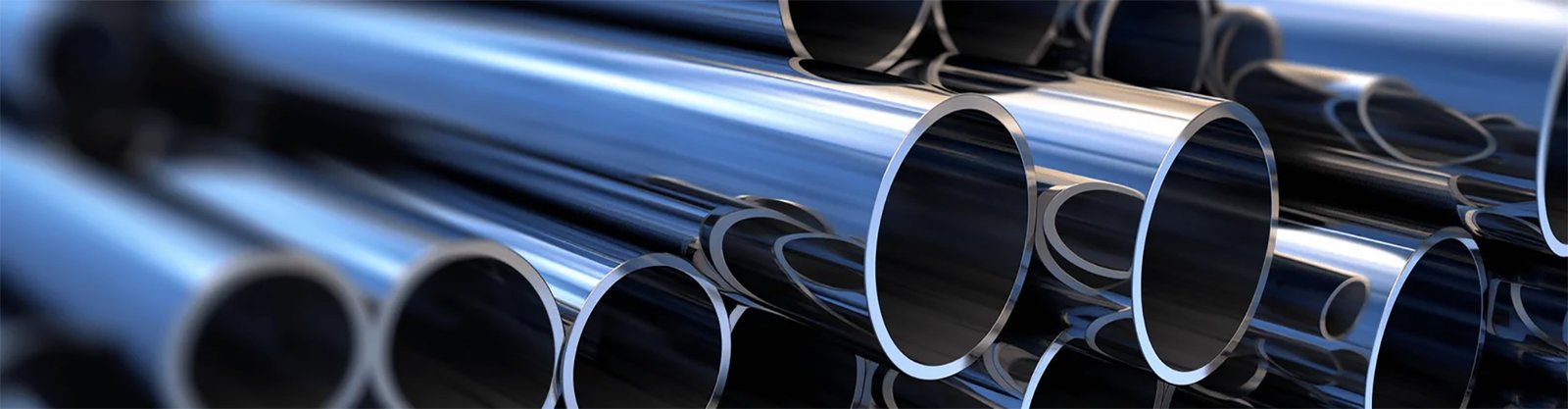
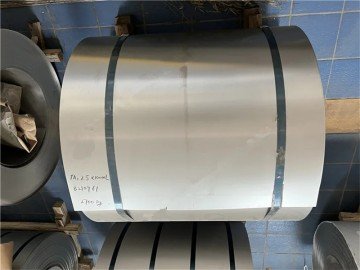
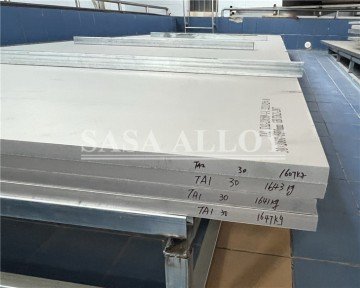
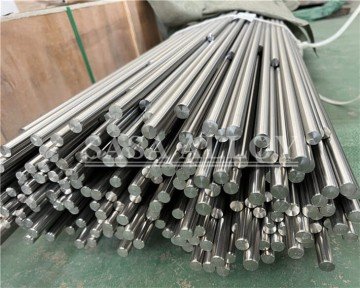
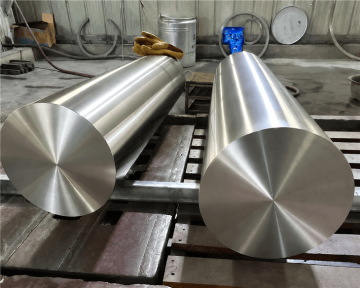
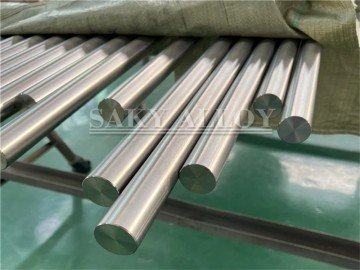
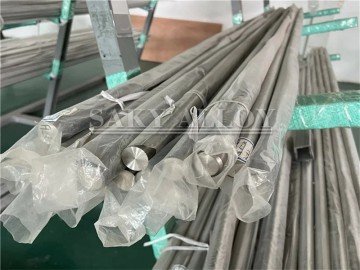
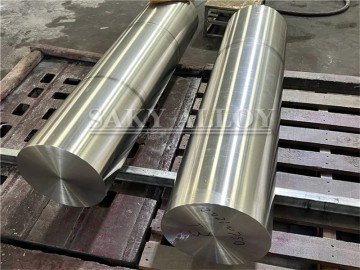
When sourcing titanium products, reliability and quality are crucial. sakyalloy provides a full range of Grade 4 titanium products, including pipes, bars, sheets, and custom components, all manufactured according to ASTM and ISO standards. With strict quality inspection, global logistics, and competitive pricing, sakyalloy ensures clients receive titanium materials that deliver strength, durability, and long-term value.
Whether for aerospace, marine, or medical applications, sakyalloy is committed to supplying Grade 4 titanium that meets the highest performance requirements.
Conclusion
Grade 4 titanium is the strongest of the commercially pure titanium grades, with a tensile strength of approximately 550 MPa and a yield strength of around 480 MPa. While it is not as strong as alloyed titanium grades, it offers an outstanding balance of strength, corrosion resistance, weldability, and biocompatibility.
Its unique properties make it indispensable in aerospace, marine, chemical, medical, and power generation industries. By understanding the strength and benefits of Grade 4 titanium, engineers and buyers can make informed material choices that ensure performance, safety, and cost-effectiveness in critical applications.