
How Ti-3Al-2.5V Alloy Balances Cost, Performance, and Workability
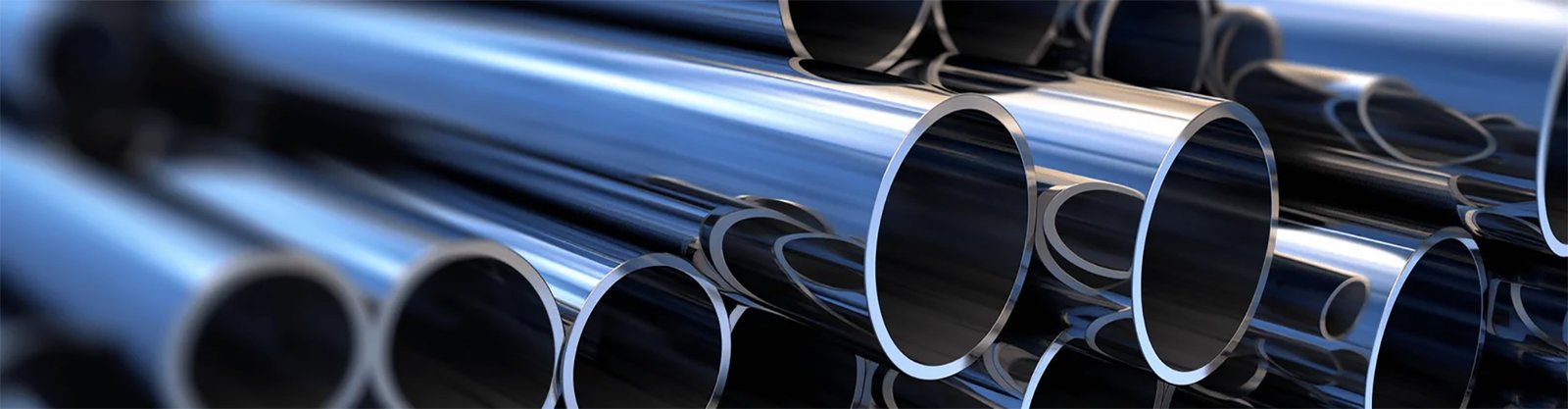
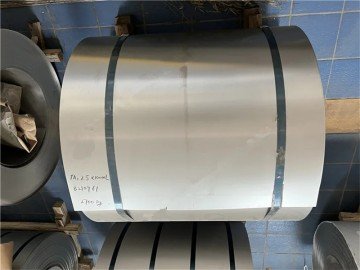
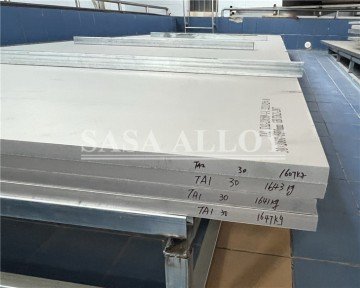
Titanium alloys have become essential materials in industries requiring lightweight strength, corrosion resistance, and long-term durability. Among the numerous titanium grades available today, Ti-3Al-2.5V, also known as Grade 9 Titanium, stands out as one of the most balanced and versatile options. It is widely used in aerospace tubing, automotive components, medical equipment, marine structures, and high-performance sporting products.
What makes Ti-3Al-2.5V unique is its perfect balance of cost, mechanical performance, and workability—a combination that neither pure titanium nor higher-strength alloys like Grade 5 (Ti-6Al-4V) can fully achieve. With reliable material supply from global manufacturers such as sakyalloy, this alloy has become the industry standard for applications where forming, welding, and fabrication flexibility are just as important as strength and corrosion resistance.
Understanding the Composition and Metallurgy of Ti-3Al-2.5V
Ti-3Al-2.5V is an alpha-beta titanium alloy consisting of:
-
Titanium: Balance
-
Aluminum: 2.5–3.5 percent
-
Vanadium: 2–3 percent
Why this composition matters:
-
Aluminum stabilizes the alpha phase, increasing strength without compromising weldability.
-
Vanadium stabilizes the beta phase, improving toughness, ductility, and workability.
-
The combination creates a microstructure that can be easily cold worked and welded, yet still provides high strength.
Compared to pure titanium (Grades 1–4), Ti-3Al-2.5V offers much higher strength. Compared to Grade 5 (Ti-6Al-4V), it offers better formability and produces stronger, more ductile welds.
How Ti-3Al-2.5V Balances Performance, Cost, and Processing Efficiency
1. Mechanical Strength Without Excessive Alloying Cost
Titanium alloys gain strength primarily through alloying and microstructure control. However, heavy alloying—such as with higher amounts of aluminum and vanadium in Grade 5—significantly increases manufacturing cost.
Ti-3Al-2.5V Strength Profile:
-
Tensile Strength: 620–760 MPa
-
Yield Strength: 480–600 MPa
-
Fatigue Strength: Excellent
-
Hardness: Moderate, easily tuned with cold work
This strength level is ideal for tubing, frames, structural supports, and pressure lines. It delivers more than enough strength for most medium-load applications while keeping alloying costs reasonable.
Why It’s Cost-Efficient:
-
Lower alloying content than Grade 5 reduces raw material cost
-
Less tool wear and simpler machining lower production expenses
-
Eliminates the need for expensive heat treatments
Overall, Ti-3Al-2.5V provides the best strength-per-dollar ratio in the titanium family.
2. Superior Workability Compared to High-Strength Alloys
Workability—including forming, welding, machining, and shaping—is a major advantage of Ti-3Al-2.5V.
Cold Workability
-
Can be drawn into thin-wall tubes
-
Excellent for hydroforming
-
Easy to bend, flare, or swage
-
Supports precision shaping without cracking
Welding
-
Outstanding weldability
-
Produces ductile, strong welds
-
Minimal risk of heat-affected embrittlement
-
Preferred for tubing that requires multiple weld joints
Machining
-
Easier to machine than Grade 5
-
Reduced tool wear
-
Lower cutting forces required
-
Produces consistent surface finish
Workability is one of the main reasons Ti-3Al-2.5V dominates the aerospace tubing market, bicycle industry, and automotive performance sector.
3. High Corrosion Resistance in a Cost-Effective Package
Corrosion resistance is a core advantage of titanium, but Ti-3Al-2.5V offers superior chemical durability while remaining affordable.
It performs exceptionally well in:
-
Marine saltwater
-
High-humidity environments
-
Chemical processing fluids
-
Chloride-rich conditions
-
Oxidizing and reducing environments
Ti-3Al-2.5V’s passive oxide layer is stable, self-healing, and resistant to pitting and stress corrosion cracking.
Compared to Grade 5:
-
Similar corrosion resistance
-
Lower cost
-
Better long-term performance in environments with vibration or movement
This is why marine engineers and offshore industries prefer Ti-3Al-2.5V for tubes, supports, and components.
4. Ideal Strength-to-Weight Ratio for Tubing
One of the primary uses of Ti-3Al-2.5V is in tubing for aerospace, cycling, and automotive applications.
Why It Is Perfect for Tubes:
-
Strong enough to withstand internal pressure
-
Light enough to reduce system weight
-
Easy to bend and weld without cracking
-
Excellent fatigue resistance under vibration
Grade 5, although stronger, is too stiff for complex tube fabrication and is more prone to cracking during forming or welding.
5. Lower Production and Fabrication Cost Compared to Grade 5
Manufacturers choose Ti-3Al-2.5V because it reduces fabrication difficulty and cost.
Cost Advantages:
-
No hot-forming required (unlike Grade 5)
-
Lower machining cost per part
-
Reduced scrap rates
-
Less stringent welding requirements
-
Easier tube drawing process
These advantages translate into significant savings in large-scale production.
Industry Applications That Benefit from Ti-3Al-2.5V’s Balance
Ti-3Al-2.5V is used where performance and manufacturability must coexist.
Aerospace Engineering
-
Hydraulic tubing
-
Fuel system lines
-
Pneumatic pressure tubes
-
Lightweight structural supports
Its combination of strength and weldability meets aerospace safety standards.
Automotive and Motorsports
-
High-performance exhaust systems
-
Roll cage components
-
Lightweight tubular components
-
Intake manifolds
Ti-3Al-2.5V reduces weight without sacrificing performance.
Marine and Offshore Engineering
-
Tubular frames
-
Seawater piping
-
Structural bracing
-
Corrosion-resistant supports
Its corrosion resistance exceeds that of aluminum, stainless steel, and many nickel alloys.
Medical Equipment
-
Lightweight surgical tools
-
Mobility device components
-
High-strength medical frames
Its biocompatibility and workability make it ideal for precision manufacturing.
Sports and High-Performance Products
-
Elite bicycle frames
-
Golf shafts
-
Mountaineering gear
Its fatigue resistance makes it perfect for dynamic-load applications.
Comparison: Ti-3Al-2.5V vs Grade 5 Titanium
| Feature | Ti-3Al-2.5V (Grade 9) | Ti-6Al-4V (Grade 5) |
|---|---|---|
| Strength | Medium-high | Very high |
| Weldability | Excellent | Moderate |
| Formability | High | Low |
| Machinability | Better | Harder |
| Cold Workability | Excellent | Limited |
| Cost | Lower | Higher |
| Corrosion Resistance | Excellent | Excellent |
| Best For | Tubes, frames, pressure lines | High-load structural parts |
Ti-3Al-2.5V is ideal for complex-shaped, weldable components, while Grade 5 is appropriate for heavy-load, machined parts.
Why Ti-3Al-2.5V Is the Best Balance of Cost, Performance, and Workability
Cost:
-
Moderate alloying content
-
Easy to fabricate
-
Lower production and machining cost
Performance:
-
Strong enough for most structural applications
-
Excellent fatigue and corrosion resistance
-
Stable under vibration and cyclic loading
Workability:
-
Outstanding weldability
-
Superior cold forming
-
Excellent tube drawing response
No other titanium alloy balances these factors as effectively as Ti-3Al-2.5V.
Why Choose Ti-3Al-2.5V From a High-Quality Supplier
Manufacturers like sasaalloy provide:
-
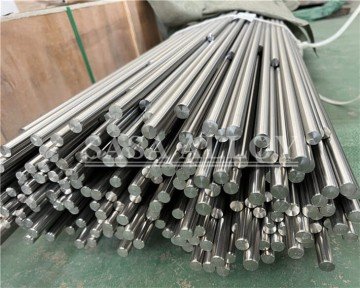
Premium-grade titanium rods and tubes
-
Tight dimensional tolerances
-
High consistency in mechanical properties
-
Certified chemical composition
-
Full traceability with EN 10204 3.1/3.2 certificates
-
Compliance with ASTM B338, B348, and aerospace standards
Quality control ensures maximum reliability in demanding engineering applications.
Conclusion
Ti-3Al-2.5V (Grade 9 titanium) is one of the most cost-effective, high-performance titanium alloys available today. It offers the ideal balance of strength, corrosion resistance, workability, and long-term reliability—making it the top choice for tubing, structural components, aerospace systems, marine equipment, and advanced sporting goods. While Grade 5 provides higher strength, it cannot match the formability or production efficiency of Ti-3Al-2.5V for welded or cold-worked components.
With trusted suppliers like sasaalloy delivering consistent, certified titanium products, engineers worldwide can leverage the advantages of Ti-3Al-2.5V to optimize both performance and cost across diverse applications.