
How Titanium Grade 11 Outperforms Grade 2 in Marine and Chemical Applications
How Titanium Grade 11 Outperforms Grade 2 in Marine and Chemical Applications
Titanium is widely used in corrosive service environments because of its excellent resistance to seawater, chloride-bearing media, and many oxidizing chemicals. Among commercially used titanium grades, Titanium Grade 2 is often selected for general corrosion resistance and fabrication performance, while Titanium Grade 11 is preferred when stronger crevice-corrosion resistance is needed in marine and chemical applications. Although both grades share many base characteristics, Grade 11 offers a distinct performance advantage in more demanding service conditions.
For engineers, buyers, and project managers evaluating titanium materials for heat exchangers, piping systems, condensers, tanks, and process equipment, understanding the difference between Grade 2 and Grade 11 can help reduce maintenance risk, extend service life, and improve long-term value. This article explains why Titanium Grade 11 often outperforms Grade 2, especially in chloride-rich and mildly reducing environments.
What Is Titanium Grade 11?
Titanium Grade 11 is essentially commercially pure titanium with a small addition of palladium. This alloying element significantly improves corrosion resistance in reducing acids and in environments where crevice corrosion may become a concern. Because of this enhancement, Grade 11 is often described as a corrosion-improved version of Grade 2.
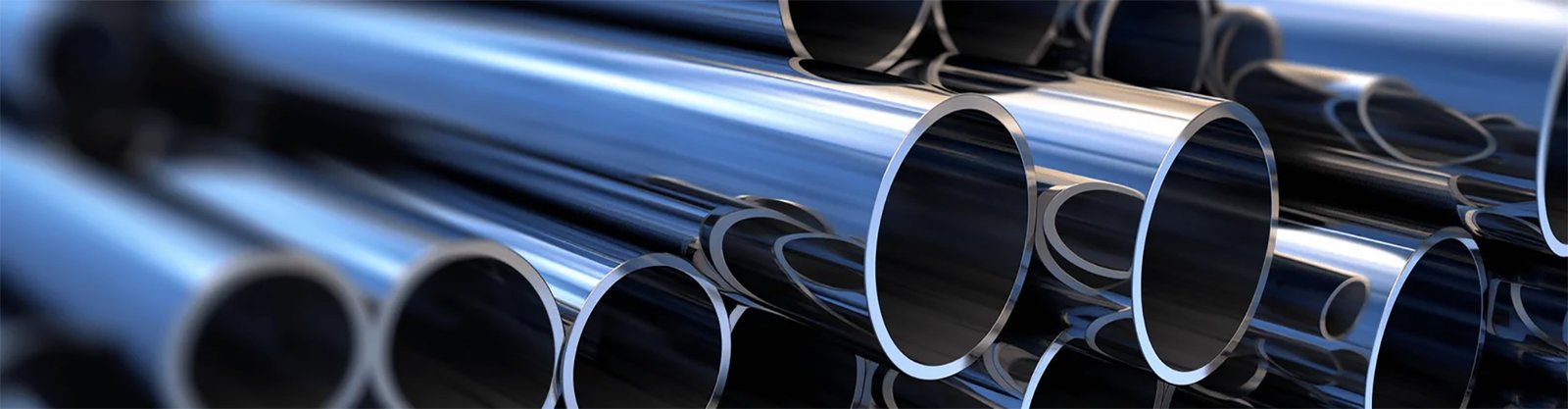
In terms of formability, weldability, and fabrication behavior, Titanium Grade 11 remains close to commercially pure titanium grades. It can be processed into pipes, tubes, plates, sheets, bars, fittings, and fabricated components for industrial use. This balance of corrosion resistance and workability makes it attractive for seawater systems, desalination plants, offshore projects, and chemical processing facilities.
What Is Titanium Grade 2?
Titanium Grade 2 is one of the most commonly used commercially pure titanium grades. It provides a practical combination of corrosion resistance, moderate strength, low density, and good weldability. Because of its broad availability and cost-effectiveness, Grade 2 is frequently used in equipment exposed to seawater, oxidizing chemicals, and industrial process media.
For many standard applications, Grade 2 performs very well. However, when service conditions involve tight crevices, stagnant chloride solutions, or mildly reducing acids, it may not provide the same corrosion margin as Grade 11. That is where the palladium addition in Grade 11 becomes a major advantage.
Key Difference Between Titanium Grade 11 and Grade 2
The main difference between Titanium Grade 11 and Grade 2 is the addition of palladium in Grade 11. This small alloying adjustment improves the material’s electrochemical behavior and enhances resistance to localized attack in difficult corrosive environments.
In practical terms, both grades may look similar in routine service, but Grade 11 provides better protection when the environment becomes more aggressive. This is especially important in applications where equipment failure could lead to shutdowns, leakage, contamination, or expensive replacement work.
Why Titanium Grade 11 Performs Better in Marine Applications
Marine systems present a challenging combination of chloride exposure, variable flow rates, stagnant zones, and crevice-forming conditions. In open seawater, titanium generally performs very well due to the formation of a stable oxide film. However, localized conditions inside joints, gaskets, deposits, and narrow spaces can be more severe than the bulk environment.
Titanium Grade 11 offers better resistance than Grade 2 in these situations because palladium improves repassivation and reduces the likelihood of localized corrosion under restricted oxygen conditions. This makes Grade 11 a stronger choice for seawater-cooled heat exchangers, offshore piping, condenser tubing, desalination components, and marine fastener-related assemblies where crevice geometry cannot always be avoided.
In long-term marine service, the extra corrosion security of Grade 11 can help reduce inspection frequency, unplanned downtime, and replacement costs. For operators focused on life-cycle value rather than only initial material price, this is often a decisive advantage.
Why Titanium Grade 11 Is Superior in Chemical Processing Environments
Chemical plants often expose metals to media that vary in acidity, temperature, concentration, and contamination level. Under these changing conditions, standard commercially pure titanium may perform well in oxidizing environments but become less reliable in mildly reducing acids or in process streams where crevice conditions develop.
Titanium Grade 11 is better suited for such duties because the palladium addition improves resistance in reducing acid environments and broadens the safe operating range of titanium equipment. This makes it a preferred option for reactors, piping, scrubbers, heat exchangers, tanks, and transfer lines used in chlorate production, wet chlorine service, bleach systems, and selected acidic chemical processes.
For buyers in the chemical industry, the material upgrade from Grade 2 to Grade 11 may represent a relatively small increase in procurement cost compared with the much higher cost of corrosion-related downtime, production loss, or contamination incidents.
Comparison of Corrosion Resistance
Both Titanium Grade 2 and Grade 11 rely on a protective oxide film for their well-known corrosion resistance. In clean oxidizing conditions, the difference between the two may not always be dramatic. However, real industrial service rarely remains ideal. Deposits, welding details, stagnant media, and process fluctuations can create localized conditions that challenge the passive film.
That is where Grade 11 demonstrates clear value. It provides better resistance to crevice corrosion and improved performance in reducing acid conditions. In systems where chlorides, low pH, or intermittent oxygen depletion may occur, this additional protection can significantly improve equipment reliability.
Mechanical and Fabrication Considerations
From a manufacturing perspective, Titanium Grade 11 remains highly practical. It offers good formability, good weldability, and processing characteristics comparable to other commercially pure titanium grades. This means fabricators can produce welded pipes, tubes, plates, vessels, and custom parts without the complexity associated with many high-alloy corrosion-resistant materials.
Grade 2 also offers excellent fabrication advantages and remains a very popular material for general-purpose titanium components. However, when corrosion resistance is the key design driver, Grade 11 often delivers a better balance between manufacturability and long-term performance.
For many projects, the fabrication route for Grade 11 does not change dramatically from Grade 2, which helps manufacturers and end users adopt the upgraded material without major process disruption.
Typical Applications for Titanium Grade 11
- Seawater piping systems
- Condenser and heat exchanger tubing
- Desalination plant components
- Offshore platform equipment
- Chemical process vessels and tanks
- Bleach and chlorate handling systems
- Marine hardware and corrosion-critical assemblies
- Pollution control and scrubber equipment
When Titanium Grade 2 Is Still a Good Choice
Titanium Grade 2 is still an excellent material for many industrial and marine applications. If the service medium is well understood, strongly oxidizing, and not especially prone to crevice attack, Grade 2 can provide dependable performance at a lower material cost. It is often the right choice for less aggressive equipment designs, large-volume standard components, and applications where budget control is a major factor.
In other words, Grade 11 is not a universal replacement for Grade 2. The best choice depends on the actual service environment, equipment design, maintenance expectations, and project economics.
Cost vs. Service Life: A Better Value Perspective
One of the most common procurement questions is whether Titanium Grade 11 is worth the extra cost. In many cases, the answer depends less on the purchase price of the metal itself and more on the full operating cost of the equipment.
If a system runs in a sensitive environment where corrosion failure would lead to shutdown, leakage, environmental risk, or complicated maintenance access, the additional investment in Grade 11 can be justified quickly. The material may cost more than Grade 2 initially, but it can reduce the risk of premature replacement and improve overall asset reliability.
This is particularly relevant for offshore, marine, desalination, and chemical processing projects where repair work is expensive and service interruption carries a high penalty.
How to Choose Between Titanium Grade 11 and Grade 2
When selecting between Titanium Grade 11 and Grade 2, buyers should evaluate more than just the base material cost. Important selection factors include the chloride level of the medium, the likelihood of stagnant or crevice conditions, the acidity of the process stream, expected service life, maintenance accessibility, and the financial consequence of downtime.
If the application involves general corrosion resistance in a relatively stable environment, Grade 2 may be sufficient. If the application includes restricted flow zones, seawater service with deposit buildup, or mildly reducing chemical exposure, Grade 11 is often the safer and more durable choice.
Working with an experienced titanium supplier can help confirm the right grade, product form, specification, and testing requirements for the project.
Supply Forms and Product Availability
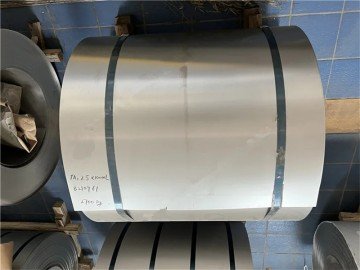
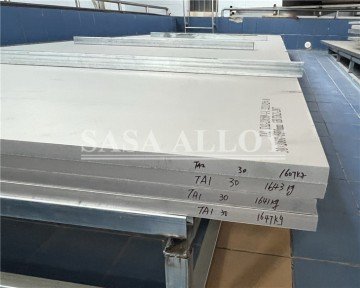
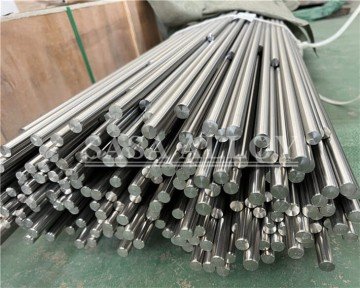
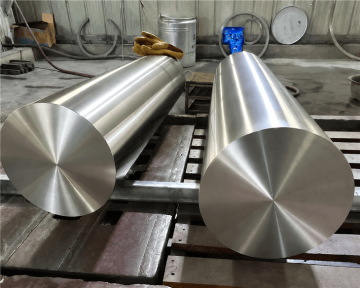
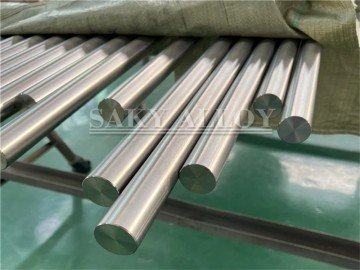
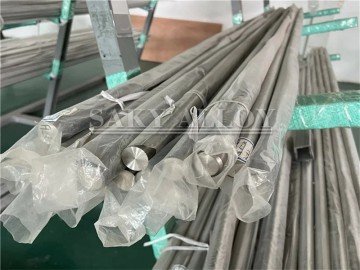
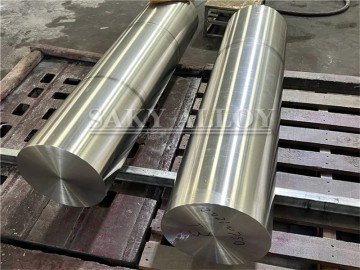
Titanium Grade 11 is available in a wide range of product forms for industrial fabrication and end-use applications. These may include seamless pipe, welded pipe, tube, plate, sheet, bar, forged components, fittings, flanges, and custom-machined parts. Material can be supplied according to relevant standards and project-specific inspection requirements.
For export and industrial procurement, buyers often request clear traceability, dimensional inspection, chemical composition verification, mechanical testing, and corrosion-related quality documentation. Reliable packaging and logistics are also important, especially for long-length pipes, precision tubes, and finished fabricated components.
Conclusion
Titanium Grade 11 outperforms Grade 2 in marine and chemical applications mainly because its palladium addition provides stronger resistance to crevice corrosion and improved performance in reducing environments. While Grade 2 remains a valuable and economical titanium grade for many standard uses, Grade 11 offers a more secure solution when service conditions are harsh, chloride-rich, or difficult to control.
For companies seeking long-term corrosion resistance, lower maintenance risk, and better durability in seawater and chemical processing systems, Titanium Grade 11 is often the smarter material choice. Selecting the right titanium grade at the beginning of a project can improve reliability, extend equipment life, and reduce total operating cost over time.
Need Titanium Grade 11 Products for Your Project?
If you are sourcing Titanium Grade 11 pipe, tube, plate, sheet, bar, fittings, or custom titanium products, it is important to work with a supplier that understands corrosion-critical applications and international project requirements. The right supply partner can help match the material grade to your operating environment and support your project with reliable quality control, documentation, and export service.