
How Titanium Grade 11 Outperforms Grade 2 in Marine Applications
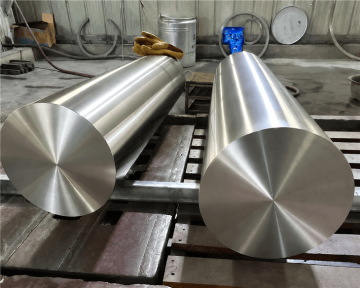
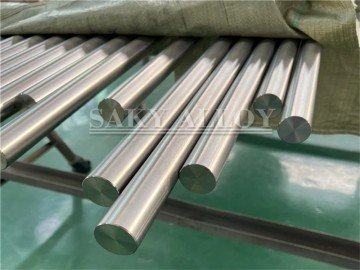
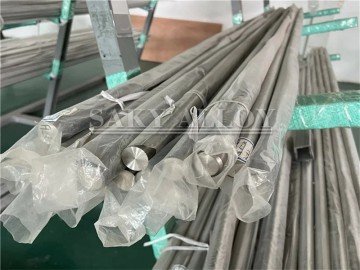
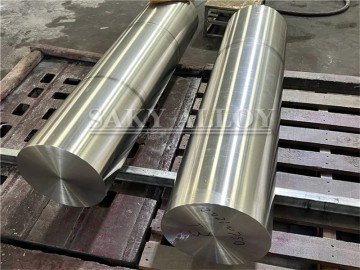
Marine environments are notoriously harsh, exposing materials to saltwater, high humidity, and a range of chemical contaminants. Selecting the right material is critical for ensuring the longevity, performance, and safety of marine equipment. Among titanium alloys, Titanium Grade 11 bars have emerged as a superior choice over Grade 2 for marine applications due to their enhanced corrosion resistance, mechanical strength, and versatility. This article explores how Grade 11 outperforms Grade 2 in marine environments, highlights its key properties, applications, and emphasizes the importance of sourcing from trusted suppliers like sakyalloy.
Overview of Titanium Grade 11 and Grade 2
Titanium Grade 2 is a commercially pure titanium alloy that is widely used in general industrial and marine applications. While it offers excellent corrosion resistance and moderate strength, its performance in aggressive marine environments can be limited over time.
Titanium Grade 11, also a commercially pure titanium alloy, is engineered to provide superior corrosion resistance, particularly in chloride-rich and oxidizing environments, which are common in marine and offshore applications. Key characteristics of Grade 11 titanium include:
-
Enhanced corrosion resistance in seawater and chemical environments
-
High strength-to-weight ratio
-
Excellent ductility and flexibility for fabrication
-
Biocompatibility suitable for medical and food-grade marine applications
By comparing these two grades, it becomes clear why Grade 11 is preferred in critical marine installations.
Corrosion Resistance Comparison
Corrosion is the primary challenge in marine environments, often leading to material degradation and equipment failure. Titanium Grade 11 outperforms Grade 2 in several ways:
-
Chloride Resistance: Grade 11 exhibits higher resistance to pitting and crevice corrosion in seawater compared to Grade 2. This ensures longer service life and reduced maintenance.
-
Oxidizing and Reducing Environments: Grade 11 maintains stability in both oxidizing and reducing conditions, whereas Grade 2 may degrade over prolonged exposure to aggressive marine chemicals.
-
Protective Oxide Layer: Both grades form a passive oxide layer that protects against corrosion, but Grade 11’s lower interstitial content improves the stability and longevity of this layer.
These factors make Grade 11 bars the optimal choice for offshore platforms, marine piping, and structural components exposed to saltwater.
Mechanical Strength and Performance
In addition to corrosion resistance, mechanical performance is crucial for marine applications where loads, stress, and environmental forces are significant. Grade 11 provides the following advantages over Grade 2:
-
Tensile Strength: 240–345 MPa, higher than Grade 2, ensuring greater resistance to mechanical stress
-
Yield Strength: 170–275 MPa, providing stability under operational loads
-
Elongation: 20–30%, allowing flexibility under dynamic forces
-
Hardness: 150–180 HB, improving wear and impact resistance
-
Density: 4.51 g/cm³, offering a lightweight solution for marine structures
These mechanical properties allow Grade 11 components to withstand the demanding conditions of marine operations better than Grade 2.
Fabrication and Forming Advantages
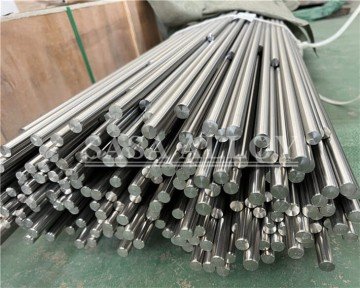
Grade 11 titanium bars offer excellent ductility and flexibility, facilitating efficient machining, forming, and welding. Compared to Grade 2:
-
Grade 11 maintains structural integrity during complex forming processes
-
It allows for fabrication of high-precision marine components
-
Reduces risk of cracking or deformation during installation
These advantages are particularly important for components such as fasteners, piping systems, and offshore structural elements where precision and reliability are critical.
Thermal and Oxidation Stability
While both Grade 2 and Grade 11 exhibit corrosion resistance at moderate temperatures, Grade 11 shows superior stability in marine environments exposed to thermal variations. This makes it suitable for applications such as:
-
Heat exchangers in marine vessels
-
Offshore processing equipment
-
Components subjected to direct sunlight or engine heat
Grade 11’s ability to maintain mechanical strength under thermal stress ensures consistent performance in challenging marine conditions.
Advantages in Marine Applications
1. Extended Service Life
Grade 11’s enhanced corrosion resistance reduces maintenance frequency and extends the service life of marine components, leading to lower operational costs compared to Grade 2.
2. Lightweight and High Strength
The high strength-to-weight ratio of Grade 11 reduces structural load while maintaining durability, which is essential for offshore platforms and ship structures.
3. Biocompatibility and Safety
Grade 11 is biocompatible, making it suitable for marine applications in food processing ships or pharmaceutical transport vessels where contamination control is necessary.
4. Fabrication Flexibility
Grade 11 allows for the creation of complex shapes and custom components, supporting modern marine engineering designs that require precision and reliability.
5. Reduced Maintenance
The superior corrosion resistance of Grade 11 minimizes fouling and pitting, leading to less frequent inspections, cleaning, and replacement of marine components.
6. Trusted Supplier Assurance
Sourcing Titanium Grade 11 bars from certified suppliers such as sakyalloy ensures consistent material quality, compliance with ASTM standards, and reliable performance in critical marine applications.
Key Marine Applications
Offshore Platforms
-
Structural components exposed to seawater
-
Fasteners, bolts, and support frames requiring long-term durability
Marine Piping Systems
-
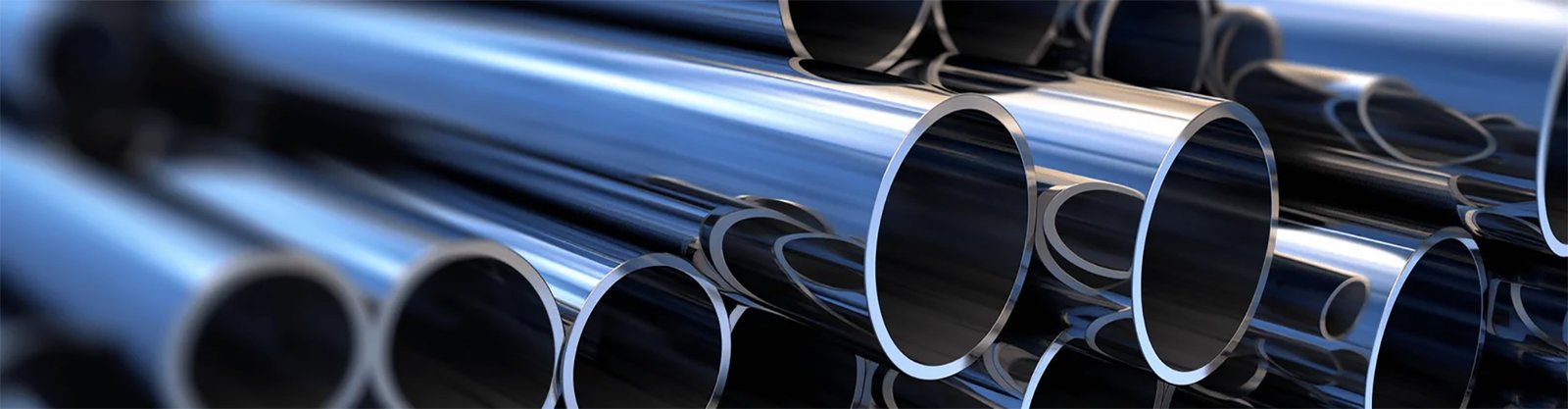
Seawater intake and discharge pipelines
-
Corrosion-resistant piping for chemical and processing vessels on ships
Shipbuilding
-
Hull reinforcements and underwater structural elements
-
Lightweight components for fuel efficiency and performance
Food and Pharmaceutical Vessels
-
Corrosion-resistant tanks and piping for ships handling sensitive cargo
-
Equipment requiring biocompatibility and chemical stability
Comparison Summary: Grade 11 vs Grade 2
| Property | Grade 2 | Grade 11 | Advantage |
|---|---|---|---|
| Corrosion Resistance | Excellent | Superior, especially in chlorides | Grade 11 |
| Tensile Strength | 240–350 MPa | 240–345 MPa | Comparable, but better long-term performance in seawater |
| Ductility | High | High | Both similar, Grade 11 slightly better in harsh environments |
| Thermal Stability | Moderate | High | Grade 11 |
| Service Life in Marine Environments | Moderate | Extended | Grade 11 |
Overall, Titanium Grade 11 provides a significant performance improvement over Grade 2 in marine and offshore environments.
Future Trends in Marine Titanium Applications
The demand for Titanium Grade 11 bars in marine applications is expected to grow due to:
-
Expansion of offshore oil and gas platforms
-
Increased use of lightweight, corrosion-resistant materials in shipbuilding
-
Adoption in advanced marine processing systems
-
Advances in titanium alloy fabrication technologies
Suppliers like sakyalloy continue to provide high-quality Grade 11 titanium bars that meet evolving marine engineering requirements.
Conclusion
Titanium Grade 11 bars outperform Grade 2 in marine applications due to superior corrosion resistance, mechanical strength, ductility, and thermal stability. Their advantages make them ideal for offshore platforms, marine piping systems, shipbuilding, and food or pharmaceutical vessels.
By sourcing Titanium Grade 11 bars from trusted suppliers such as sakyalloy, companies can ensure consistent quality, compliance with international standards, and long-term operational reliability. Understanding the benefits of Grade 11 over Grade 2 enables engineers and project managers to select the best materials for safe, durable, and cost-effective marine solutions.