
How to Cut Titanium Pipe
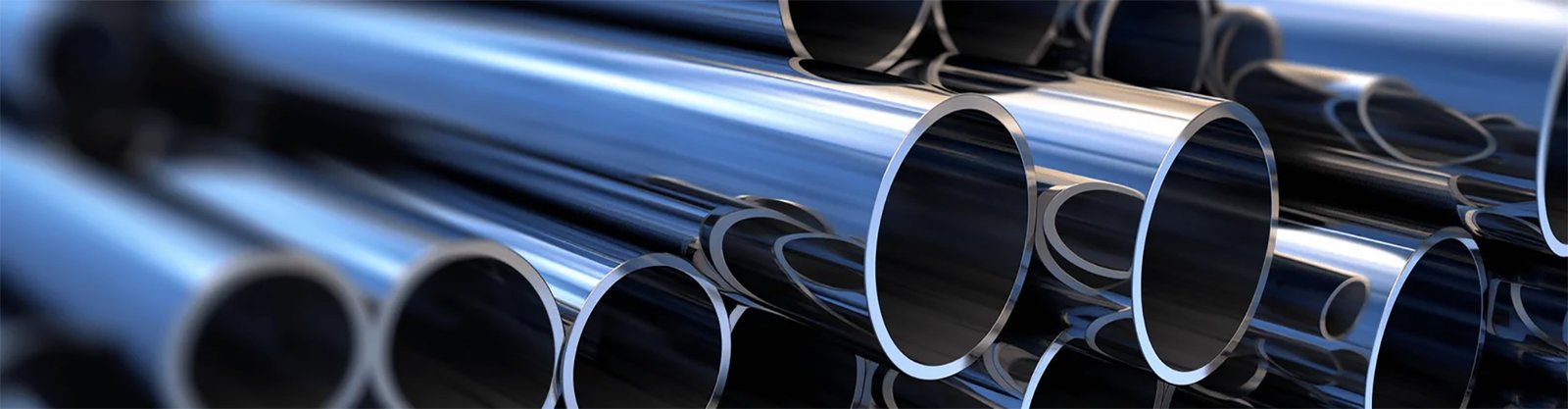
Titanium is a remarkable metal known for its high strength, light weight, and excellent corrosion resistance. These properties make it ideal for industries such as aerospace, medical, marine, and chemical processing. However, its unique characteristics also make cutting titanium pipe more challenging than cutting common metals like steel or aluminum. To achieve clean, precise cuts without damaging the material or your tools, it’s essential to use the right techniques and equipment.
In this article, we’ll walk you through how to cut titanium pipe safely and effectively. Whether you’re working in a workshop or on an industrial site, understanding the cutting process will help you get the results you need while preserving the integrity of this valuable metal.
Understanding Titanium’s Properties
Before you start cutting, it’s important to understand why titanium requires special handling:
-
High strength: Titanium is stronger than many steels, which makes cutting more labor-intensive.
-
Low thermal conductivity: Titanium does not dissipate heat easily, leading to heat buildup at the cutting zone.
-
Tendency to gall: Titanium can stick to tools and cause friction during machining.
-
Reactive at high temperatures: Excess heat can alter the properties of the titanium or damage the cutting edge.
These factors mean that cutting titanium requires careful control of speed, pressure, and cooling.
At sakyalloy, we supply high-quality titanium pipes that are engineered for precision processing. Whether you’re fabricating a component or preparing materials for welding, our titanium products ensure consistent performance.
Tools for Cutting Titanium Pipe
There are several tools you can use to cut titanium pipe, depending on the pipe thickness, diameter, and desired finish. Here are the most effective options:
1. Band Saw
A band saw is one of the most common tools used to cut titanium pipe. Choose a saw with carbide-tipped teeth, and use a slow cutting speed with high feed pressure. Coolant should be applied continuously to avoid overheating.
2. Cold Saw
A cold saw uses a circular blade to make accurate cuts with minimal heat. It’s a good option for smaller-diameter titanium pipe when a clean, burr-free edge is required.
3. Plasma Cutter
For thicker titanium pipes, a plasma cutter can be used. However, it’s important to note that plasma cutting may leave a heat-affected zone (HAZ) that requires secondary processing or cleaning. Use this method when precision is less critical.
4. Abrasive Cut-Off Saw
An abrasive saw can also be used, but it generates significant heat and wear. If you use this method, apply a ceramic or aluminum oxide disc, and ensure the workpiece is properly clamped to reduce vibration.
5. CNC Laser Cutting
For high-volume or precision industrial applications, CNC laser cutting is ideal. While more expensive, it offers exceptional accuracy and repeatable results, especially for thin-wall titanium pipe.
Step-by-Step Guide to Cutting Titanium Pipe
Here is a basic process to follow when cutting titanium pipe manually using a band saw:
Step 1: Measure and Mark
Use a scribe or fine-tip marker to accurately mark your cutting line. Avoid deep scratches that could compromise pipe integrity.
Step 2: Secure the Pipe
Clamp the titanium pipe securely using soft jaws or protective padding to avoid deformation during cutting.
Step 3: Set the Saw Speed
For titanium, a slow blade speed (30–100 SFPM) is recommended. Higher speeds can cause heat buildup and blade wear.
Step 4: Begin Cutting
Start cutting with steady feed pressure. Do not force the blade, as this can cause overheating or premature tool wear.
Step 5: Apply Coolant
Use a flood coolant system or mist lubricant to reduce friction, carry away chips, and prevent heat damage to the material and blade.
Step 6: Deburr the Cut Edge
After cutting, use a deburring tool or fine file to smooth out the edge and remove any sharp burrs or oxide buildup.
At sakyalloy, our titanium pipes are precision-manufactured to ensure they can be cut and processed efficiently, helping fabricators and manufacturers maintain tight tolerances.
Safety Tips When Cutting Titanium Pipe
-
Wear proper PPE: Always use gloves, safety goggles, and a face shield. Titanium chips can be sharp and hot.
-
Avoid sparks accumulation: Titanium dust and shavings are combustible. Keep your workspace clean and avoid overheating.
-
Ensure ventilation: If using plasma or laser cutting, operate in a well-ventilated area to avoid inhaling metal fumes.
-
Use sharp tools: Dull blades generate excess heat and increase the risk of galling or tool failure.
Post-Cutting Treatment
After cutting, titanium pipes may require additional treatment depending on the application:
-
Pickling or passivation to remove oxide layers
-
Surface polishing for medical or aerospace components
-
Dimensional inspection to verify cut accuracy
-
Weld preparation if the pipe will be joined
These steps help ensure that the titanium maintains its corrosion resistance and meets the technical specifications for your project.
Conclusion
Cutting titanium pipe requires specialized tools, low speeds, proper cooling, and precise technique. With the right equipment and careful planning, clean and accurate cuts can be achieved without damaging the material or tools.
Whether you’re producing components for aerospace, chemical processing, or marine use, titanium’s strength and corrosion resistance make it a valuable material — but it must be handled properly.
For titanium pipe products that offer consistent quality and are easy to process, trust sakyalloy — your professional supplier of high-performance titanium and alloy materials. At sakyalloy, we support your fabrication needs with expert advice and premium-grade titanium that’s built for excellence.