
How to Install Titanium Pipe Safely & Efficiently
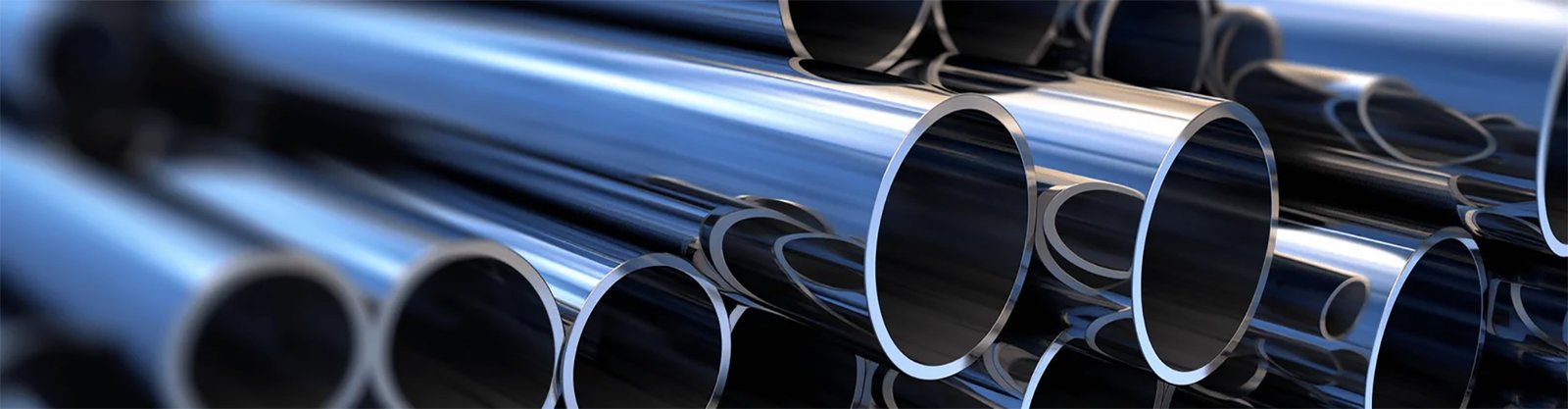
Titanium pipes are widely used in demanding industries such as aerospace, marine, chemical processing, and energy generation. Known for their exceptional corrosion resistance, strength-to-weight ratio, and longevity, titanium pipes are engineered to perform in extreme conditions. However, their successful application depends not only on material quality but also on proper installation techniques.
This article provides a comprehensive guide on how to install titanium pipe safely and efficiently, offering valuable insights for engineers, contractors, and project managers. By understanding the right tools, procedures, and precautions, you can maximize the performance and service life of titanium piping systems.
Why Installation Matters in Titanium Piping
Even the highest-quality titanium pipe can fail if not installed correctly. Improper handling, welding errors, or contamination during installation can lead to:
-
Reduced corrosion resistance
-
Weld cracks or porosity
-
Joint failure under pressure
-
Safety risks during operation
Titanium is not a difficult metal to work with, but it requires discipline and precision. Following best practices ensures structural integrity, compliance with standards (like ASTM B861/B862), and long-term reliability.
Pre-Installation Planning
Successful installation starts long before the first pipe is laid. Key steps include:
1. Review Specifications & Standards
Before beginning, thoroughly review all relevant documents:
-
Engineering drawings
-
Material specifications (grade, wall thickness, tolerances)
-
Welding procedures (WPS)
-
Installation guidelines specific to titanium
Ensure the pipe grade matches project needs (e.g., Grade 2 for general corrosion resistance, Grade 5 for high strength).
2. Verify Pipe Integrity
Upon receiving your titanium pipe — ideally from a reliable supplier like sakyalloy — perform an initial inspection to check for:
-
Correct dimensions
-
Surface defects (scratches, dents, oxidation)
-
Clean end preparations
-
Proper markings and mill test certificates (MTCs)
Reject or quarantine any pipe that shows signs of damage or contamination.
3. Prepare a Clean Work Area
Titanium is highly reactive at elevated temperatures. Even trace contamination from grease, oil, iron particles, or moisture can affect weld quality and long-term performance.
-
Keep the workspace dry, well-ventilated, and clean.
-
Segregate titanium from carbon steel or other metals to avoid cross-contamination.
-
Use dedicated tools and handling equipment for titanium only.
Handling and Storage
Titanium pipe is lightweight yet delicate. Proper handling protects the material before and during installation:
-
Use nylon slings or padded equipment — never chains or steel hooks.
-
Avoid dragging the pipe on the floor or rough surfaces.
-
Store pipes horizontally on non-metallic supports, with spacers to prevent contact.
Maintain indoor storage if possible to reduce exposure to dust, moisture, and industrial pollutants.
Cutting Titanium Pipe
If cutting is required before assembly, use methods that produce clean, square ends with minimal heat input:
-
Cold saws or abrasive wheels are preferred.
-
Plasma cutting is acceptable if followed by grinding and cleaning.
-
Avoid using oxy-acetylene torches — titanium can ignite under high oxygen.
After cutting, deburr and clean the pipe ends thoroughly. Always use non-contaminating tools (e.g., titanium or stainless steel brushes).
Welding Titanium Pipe
Welding is the most critical part of titanium pipe installation. It requires precision, cleanliness, and proper shielding.
1. Shielding Gas Protection
Titanium must be shielded from oxygen, nitrogen, and hydrogen during welding. Otherwise, embrittlement and weld failure may occur. Use:
-
High-purity argon gas (99.999%)
-
Trailing shields to protect the weld zone during cooling
-
Purge chambers or purge blocks for root protection during internal welding
Weld only when gas shielding is confirmed — the weld color should remain silver or straw yellow. Purple or blue indicates contamination.
2. Joint Preparation
Proper joint fit-up is essential:
-
Bevel ends to match WPS requirements
-
Clean all weld zones with acetone and non-metallic brushes
-
Clamp and align using titanium-compatible fixtures
Avoid excessive gaps or misalignment, which can lead to undercutting or incomplete penetration.
3. Welder Qualification
Ensure that only qualified welders perform titanium welding. They must:
-
Be certified to procedures that meet project or industry standards
-
Understand titanium’s reactivity and heat behavior
-
Follow safety and cleanliness protocols precisely
4. Post-Weld Cleaning
After welding, allow the joint to cool under gas protection. Then:
-
Remove any discoloration or oxidation using non-metallic abrasives
-
Clean again with acetone or an approved solvent
-
Inspect visually for cracks, pits, or irregularities
If required, perform non-destructive testing (NDT) such as dye penetrant testing or ultrasonic inspection.
Mechanical Assembly & Joining
In some systems, mechanical joining (flanges, clamps, threaded connections) is used in place of welding. Guidelines include:
-
Use titanium or compatible alloy components to prevent galvanic corrosion
-
Apply anti-seize compounds designed for titanium
-
Tighten bolts evenly using torque wrenches
-
Avoid overtightening, which can deform the pipe or damage gaskets
Use gaskets and fasteners specified by engineering standards (e.g., ASME B16.5 for flanges).
Pressure Testing
After assembly and welding:
-
Conduct hydrostatic testing or pneumatic leak testing in accordance with project standards
-
Use clean water with corrosion inhibitors, or inert gas if hydrotesting is not possible
-
Gradually increase pressure while monitoring for leaks, distortion, or joint failure
Document all test results and confirm compliance with pressure ratings.
Surface Protection and Insulation
Titanium typically does not require coating, but in some installations, insulation is applied for temperature control or energy efficiency.
-
Use non-metallic, chloride-free insulation materials
-
Avoid contact with steel bands, which can cause corrosion over time
-
Ensure proper sealing to prevent moisture ingress
Final Inspection and Commissioning
Before putting the system into operation:
-
Perform a full visual and dimensional inspection
-
Confirm that all documentation is complete (MTCs, welding logs, inspection reports)
-
Review alignment and support conditions
-
Ensure all vents, drains, and valves are functioning
A reliable supplier like sakyalloy will often assist with technical documentation and commissioning support to ensure smooth startup.
Safety Precautions During Installation
Titanium is generally safe to handle, but installation teams should observe the following:
-
Wear gloves, eye protection, and respirators when cutting or grinding
-
Provide adequate ventilation during welding and solvent cleaning
-
Use non-sparking tools where flammable gases are present
-
Maintain awareness of fire risk when welding titanium — have fire suppression tools nearby
Team training and safety briefings are essential for installations in critical environments.
Common Mistakes to Avoid
-
Contamination of weld zone from oily gloves or steel tools
-
Improper gas shielding leading to weld embrittlement
-
Rushing fit-up or ignoring tolerances
-
Using incorrect filler metal for the titanium grade
-
Neglecting documentation or inspection requirements
Avoiding these errors saves time, cost, and rework — and ensures a safe, long-lasting piping system.
Final Thoughts
Installing titanium pipe safely and efficiently is not only a technical process but a strategic investment in long-term system performance. From planning and preparation to welding and inspection, every stage requires precision and discipline.
Working with knowledgeable partners like sakyalloy provides access to not only premium-grade titanium pipe but also expert support in installation, testing, and documentation. Whether you’re deploying titanium piping in a high-temperature refinery or a corrosion-sensitive offshore platform, proper installation makes the difference between success and failure.