
How to Verify Titanium Pipe Authenticity & Quality
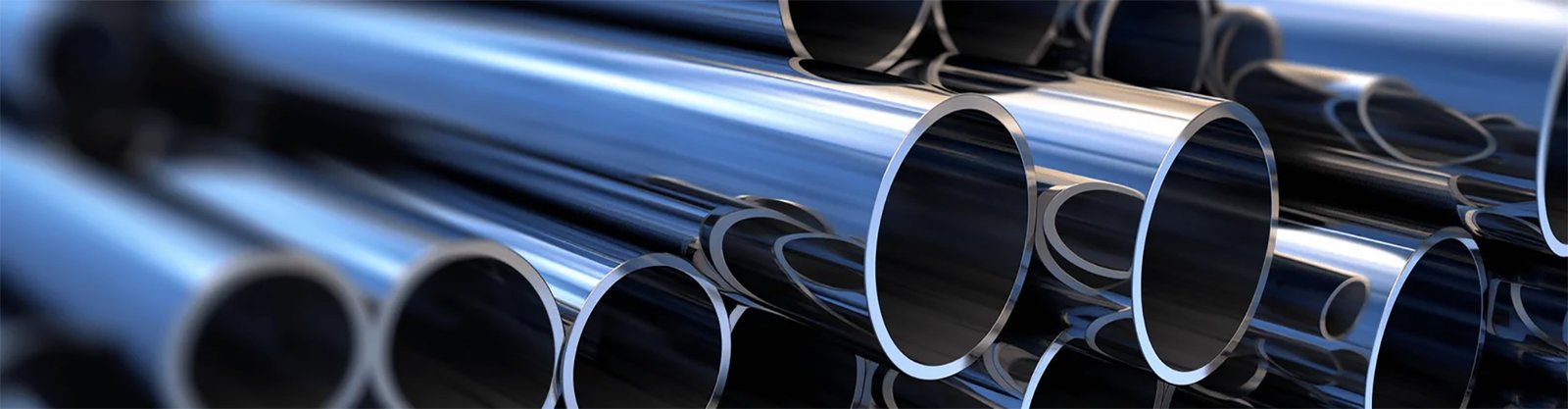
Titanium pipes are widely used in industries like aerospace, marine engineering, chemical processing, and power generation due to their exceptional strength-to-weight ratio, outstanding corrosion resistance, and long service life. However, with the growing demand for titanium products worldwide, the risk of counterfeit or substandard titanium pipes entering the supply chain has increased. This makes it critical for buyers, engineers, and procurement professionals to know how to verify titanium pipe authenticity and quality before integrating them into vital projects. In this article, we’ll walk you through proven methods to ensure that the titanium pipe you purchase is genuine and meets required standards.
Why Verifying Titanium Pipe Authenticity Matters
Titanium pipes are often deployed in mission-critical environments where failure can result in severe safety hazards, environmental harm, and financial loss. Fake or low-quality titanium pipes may have:
-
Inferior corrosion resistance.
-
Reduced mechanical strength.
-
Incorrect chemical composition.
-
Poor dimensional tolerances.
-
Hidden manufacturing defects.
These issues can lead to premature failure, leaks, or catastrophic incidents. Verifying authenticity and quality ensures that your project meets safety, performance, and compliance requirements, and helps protect your reputation as a reliable supplier or contractor.
Common Risks of Counterfeit or Low-Quality Titanium Pipes
Counterfeit titanium pipes may be:
-
Made from inferior alloys that visually resemble titanium but lack its properties.
-
Recycled or remelted scrap titanium without proper refining.
-
Marked with falsified certifications that misrepresent the actual grade or standard.
Low-quality pipes may result from inadequate quality control, non-compliance with international standards, or poor manufacturing practices. These products often find their way into the market through unauthorized channels or cost-cutting procurement strategies. To avoid these risks, thorough verification is essential.
Key Steps to Verify Titanium Pipe Authenticity
Let’s break down the most effective ways to verify the authenticity of titanium pipes:
1. Check the Mill Test Certificate (MTC)
A genuine titanium pipe will always be accompanied by a Mill Test Certificate (MTC) or Material Test Report (MTR). This certificate provides detailed information including:
-
Chemical composition (with precise percentage values).
-
Mechanical properties (tensile strength, yield strength, elongation, etc.).
-
Heat number or batch number.
-
Manufacturing standard (such as ASTM B861, B862, B338).
-
Manufacturer’s name and logo.
Ensure that the MTC corresponds exactly with the physical markings on the pipe. The heat number on the pipe should match the heat number on the certificate. Reputable manufacturers like sakyalloy issue traceable and verifiable certificates as part of their quality assurance.
2. Inspect Pipe Markings
Authentic titanium pipes are clearly marked with key information, usually applied by stamping, etching, or ink printing. Look for:
-
Grade of titanium (e.g., Grade 2, Grade 5).
-
Standard (ASTM B861, ASTM B862, etc.).
-
Size (outer diameter and wall thickness).
-
Heat number or batch number.
-
Manufacturer’s name or trademark.
Fake pipes may have incomplete or inconsistent markings. If markings are missing or don’t match the MTC, this is a major red flag.
3. Perform Chemical Composition Analysis
One of the most reliable ways to confirm the authenticity of titanium pipes is through chemical composition testing. Techniques include:
-
X-ray fluorescence (XRF): A non-destructive method that provides an instant readout of key alloying elements.
-
Optical emission spectroscopy (OES): Suitable for more precise composition analysis, but usually requires a small surface preparation.
-
Wet chemical analysis: For critical applications where high accuracy is needed.
Authentic titanium pipes will match the declared composition on the MTC, with no unexpected elements or contamination.
4. Verify Mechanical Properties
In addition to chemical composition, mechanical properties such as tensile strength, yield strength, and elongation should be verified. This can be done by:
-
Tensile testing of sample coupons.
-
Hardness testing, where applicable.
This ensures the pipe meets the specified grade’s performance requirements and hasn’t been compromised during production or by improper heat treatment.
5. Conduct Dimensional & Visual Inspection
Dimensional inspection involves checking that the outer diameter, wall thickness, roundness, and straightness comply with standards like ASTM B861. Key points include:
-
Use calibrated measuring tools (e.g., micrometers, calipers).
-
Check for uniformity along the length of the pipe.
-
Inspect for surface defects like cracks, pits, dents, or folds.
Pipes supplied by reputable sources such as sakyalloy will demonstrate tight dimensional tolerances and high-quality surface finishes, free from visible defects.
6. Confirm Manufacturer Reputation
Buying from a well-known and certified manufacturer or supplier significantly reduces the risk of receiving counterfeit products. When sourcing titanium pipes:
-
Verify the manufacturer’s certifications (e.g., ISO 9001, PED, AS9100).
-
Check references and customer reviews.
-
Look for long-term industry experience and proven project records.
A credible supplier will be transparent about their production process, traceability practices, and quality control measures.
7. Request Third-Party Inspection
For high-value or high-risk applications, it is advisable to engage an independent third-party inspection agency. These agencies provide impartial verification through:
-
Witness testing.
-
Certificate review.
-
Factory audits.
-
Pre-shipment inspection.
Their reports can provide added assurance that the titanium pipes meet all required specifications.
How to Verify Titanium Pipe Quality
In addition to verifying authenticity, ensuring consistent quality is essential. Here’s how to approach it:
Non-Destructive Testing (NDT)
NDT methods help detect internal and surface defects without damaging the pipe. Common techniques include:
-
Ultrasonic Testing (UT): Detects internal flaws like laminations or inclusions.
-
Eddy Current Testing: Sensitive to surface and near-surface cracks.
-
Dye Penetrant Testing (DPT): Highlights surface-breaking defects.
These tests should align with project specifications or relevant standards.
Surface Finish Quality
Titanium pipes should have a clean, smooth surface free from oxide scale, contamination, or machining marks that could compromise performance or weldability.
Inspect for:
-
Uniform color (typically metallic gray or silver).
-
Absence of foreign material or residual oils.
-
Consistency in surface texture.
Traceability
Every genuine titanium pipe should have full traceability from raw material through to finished product. This includes:
-
Documented heat and batch numbers.
-
Records of inspection and testing.
-
Traceable production records.
Suppliers like sakyalloy maintain detailed traceability records to support compliance and quality assurance for their titanium pipes.
Compliance with Standards
Quality titanium pipes conform to internationally recognized standards such as:
-
ASTM B861 (Seamless titanium pipe)
-
ASTM B862 (Welded titanium pipe)
-
ASTM B338 (Titanium tubes for heat exchangers)
Verify that the pipe dimensions, mechanical properties, and chemical composition align with these standards.
Consequences of Overlooking Verification
Failing to verify titanium pipe authenticity and quality can have serious consequences, including:
-
System failure due to incorrect material selection.
-
Leaks or ruptures under pressure.
-
Costly rework or replacement of installed piping.
-
Legal liabilities in case of accidents or non-compliance.
-
Damage to reputation for suppliers or contractors involved.
Final Thoughts
Verifying the authenticity and quality of titanium pipes is an essential step in any responsible procurement or engineering process. From reviewing mill test certificates to engaging third-party inspections, these measures protect your projects, people, and profitability.
Choose a trusted supplier like sakyalloy, who offers full traceability, rigorous testing, and certification to international standards, ensuring your titanium piping systems deliver reliable, long-term performance. By making authenticity and quality verification a priority, you can confidently specify and install titanium pipes in even the most demanding environments.