
How to Weld Titanium Pipe
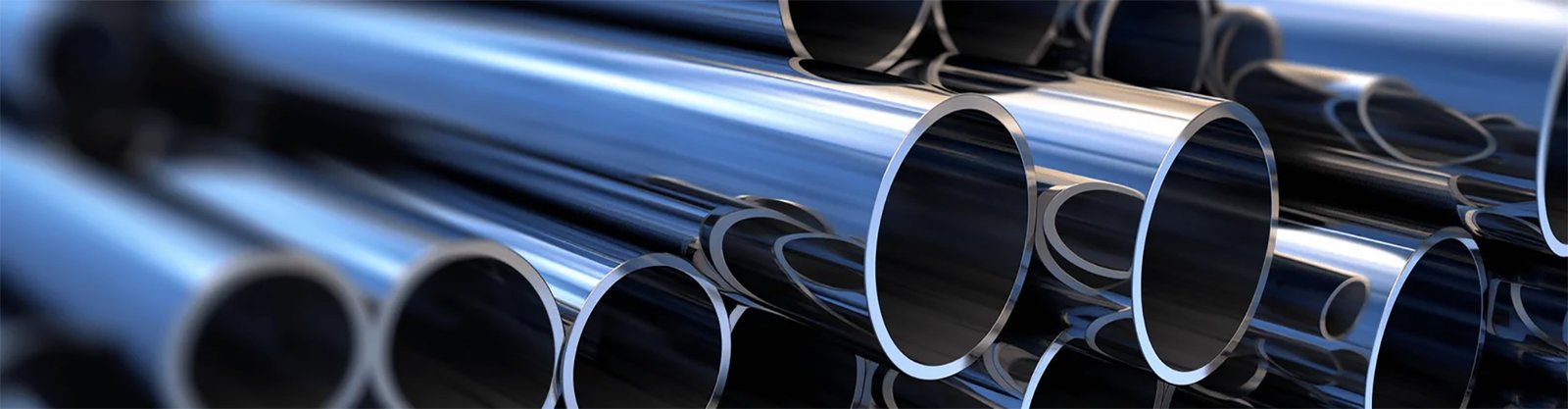
Titanium is a high-performance metal used in industries where strength, corrosion resistance, and low weight are critical — such as aerospace, chemical processing, marine, and medical sectors. One of the most important fabrication processes in working with titanium components is welding. But welding titanium, especially titanium pipe, requires precise technique, clean conditions, and strict shielding to avoid contamination.
In this article, we will explore how to weld titanium pipe step by step, including preparation, welding methods, shielding practices, and post-weld treatment. Whether you’re a fabrication engineer or a workshop professional, mastering titanium pipe welding ensures strong, durable, and corrosion-resistant joints.
Why Titanium Pipe Requires Special Welding Techniques
Titanium reacts easily with oxygen, nitrogen, and hydrogen when exposed to high temperatures. This reaction leads to embrittlement, discoloration, and significant loss of mechanical properties at the weld zone. To avoid this, welding titanium pipe must be performed with strict shielding from atmospheric gases and using clean equipment.
At sakyalloy, we provide high-grade titanium pipe that is engineered for ease of welding and high consistency across industrial applications.
Common Methods for Welding Titanium Pipe
The most commonly used methods for welding titanium pipe include:
1. GTAW (Gas Tungsten Arc Welding)
Also known as TIG welding, this is the most widely used method for welding titanium pipe. It allows excellent control and precision. High-purity argon shielding gas is required to protect the weld area before, during, and after welding.
2. PAW (Plasma Arc Welding)
Plasma arc welding is used in automated systems where high penetration and repeatability are required. It is commonly used for larger diameter titanium pipes in aerospace or high-spec applications.
3. Electron Beam Welding
Used in vacuum environments, electron beam welding produces ultra-clean, high-strength welds. It’s ideal for critical aerospace titanium piping systems, though less common in general fabrication due to cost and equipment requirements.
Step-by-Step Guide: How to Weld Titanium Pipe (TIG Method)
Step 1: Material Preparation
-
Clean the titanium pipe thoroughly using stainless steel wire brushes or non-chlorinated solvents.
-
Remove all grease, oil, dust, and oxidation from the weld area.
-
Avoid touching cleaned surfaces with bare hands to prevent contamination.
Step 2: Joint Fit-Up
-
Ensure tight and accurate pipe alignment with no gaps.
-
Use titanium-compatible tooling to avoid cross-contamination.
-
Bevel the pipe ends if needed for butt welds using titanium-specific cutting tools.
Step 3: Set Up the Welding Environment
-
Work in a dedicated welding area or inert gas chamber if possible.
-
Use purge chambers or trailing shields to protect the back side and surrounding weld area with argon.
-
Ensure all filler wires, clamps, and tools are clean and oxide-free.
Step 4: Shielding Gas Setup
-
Use 99.999% pure argon with a flow rate between 15–30 CFH for the torch.
-
Purge the interior of the pipe with argon to prevent oxidation on the root side.
-
Continue gas flow after arc shut-off to protect the weld during cooling.
At sakyalloy, our titanium pipes are supplied with smooth, clean surfaces and consistent wall thickness, helping fabricators achieve defect-free welds every time.
Welding Parameters
Use the following general guidelines for TIG welding titanium pipe:
-
Electrode: 2% thoriated or ceriated tungsten
-
Polarity: DCEN (Direct Current Electrode Negative)
-
Amperage: 40–200 A, depending on pipe thickness
-
Filler Metal: Matching titanium grade (e.g., Grade 2 or Grade 5 wire)
Maintain a short arc length and move steadily to avoid overheating and gas contamination.
Post-Weld Inspection and Quality Control
After welding, it’s important to:
-
Visually inspect the weld for color: Silver or straw colors are acceptable. Blue, gray, or white indicates contamination.
-
Perform penetrant testing or X-ray for critical welds.
-
Clean the weld zone with a non-contaminating brush to remove discoloration if required.
-
Check for argon shielding continuity and coverage logs if used in production settings.
Proper post-weld evaluation ensures that the joint maintains its mechanical properties and corrosion resistance, especially for pressure-rated titanium pipe systems.
Common Mistakes to Avoid
Welding titanium pipe requires discipline and preparation. Avoid these common errors:
-
Inadequate shielding gas coverage: This leads to oxygen contamination and weld embrittlement.
-
Contaminated filler wire: Always store and clean filler wire properly.
-
Poor fit-up: Gaps between pipe ends can cause lack of fusion and stress points.
-
Welding in open air: Titanium should never be welded without full shielding, especially for the root pass.
Consistently following best practices ensures strong, reliable welds and protects the integrity of the titanium material.
Applications of Welded Titanium Pipe
Welded titanium pipe is used in critical systems where corrosion resistance and strength are vital:
-
Aerospace fuel and hydraulic lines
-
Chemical processing piping systems
-
Marine exhaust and cooling lines
-
Medical equipment and cleanroom installations
-
Power plant heat exchangers and condensers
Titanium’s excellent resistance to seawater, chlorine, and extreme temperatures makes it an ideal material for demanding fluid transport systems.
Conclusion
Welding titanium pipe requires precision, cleanliness, and discipline, but when done correctly, it produces high-strength, corrosion-resistant joints that last for decades. The key is maintaining proper shielding from oxygen and using clean, compatible equipment and materials.
Whether you’re fabricating components for aerospace or building piping systems for chemical plants, mastering the process of titanium welding is critical for performance and safety.
For high-quality, weldable titanium pipe products, trust sakyalloy — your expert partner in titanium and specialty alloy materials. At sakyalloy, we deliver precision-engineered titanium pipe designed for excellent weldability, strength, and long-term reliability.