
Impact of Hydrogen Economy on Titanium Pipe Demand
As the world transitions toward cleaner energy solutions, the hydrogen economy has emerged as a central pillar in achieving carbon neutrality and sustainable industrial growth. Hydrogen is seen as a key energy carrier of the future, with applications across transportation, power generation, industrial processing, and energy storage. This shift is driving significant changes in material requirements, especially for piping systems tasked with safely handling hydrogen in various forms.
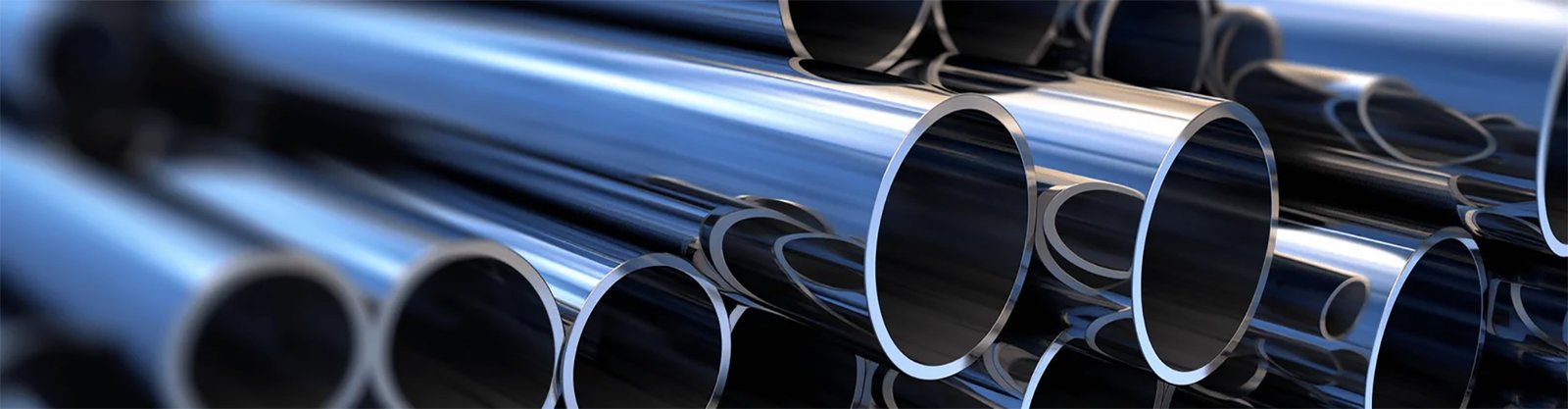
This article explores the impact of hydrogen economy on titanium pipe demand, highlighting why titanium is ideally suited for hydrogen-related applications, the sectors driving this demand, and how reliable suppliers like sakyalloy support the industry’s evolving needs.
The Rise of the Hydrogen Economy
Hydrogen offers several advantages as an energy carrier:
-
It produces zero emissions at the point of use when burned or used in fuel cells.
-
It can be produced using renewable energy (green hydrogen), reducing reliance on fossil fuels.
-
It is highly versatile, suitable for use across many sectors from mobility to grid energy storage.
Governments and industries worldwide are investing heavily in hydrogen infrastructure, including production facilities, storage systems, transportation networks, and fueling stations. This shift is transforming demand for high-performance materials like titanium.
Why Titanium Pipes Are Key to the Hydrogen Economy
Titanium offers a unique set of properties that make it an ideal material for hydrogen systems:
Exceptional Corrosion Resistance
Hydrogen production, storage, and distribution often involve harsh environments, including exposure to:
-
Moisture
-
Seawater (in offshore hydrogen projects)
-
Acids used in electrolyzers
Titanium resists corrosion in these conditions, ensuring long-term durability and system integrity.
Compatibility with Hydrogen
Titanium exhibits good resistance to hydrogen embrittlement compared to many other metals. This makes it a safer choice for pipes transporting or containing hydrogen, especially at high pressures or in cryogenic applications.
Lightweight Strength
With a high strength-to-weight ratio, titanium pipes reduce the weight of systems, which is valuable in mobile hydrogen applications, offshore platforms, and aerospace-related hydrogen storage.
Temperature Stability
Titanium maintains mechanical strength and corrosion resistance across a wide temperature range, from cryogenic hydrogen storage to high-temperature processing.
Applications Driving Titanium Pipe Demand in the Hydrogen Economy
Electrolyzer Systems
Electrolyzers, which produce hydrogen through water electrolysis, often use titanium components in their electrodes and associated piping because of titanium’s resistance to corrosion and chemical attack by electrolytes.
Hydrogen Transport Pipelines
While steel is commonly used, titanium pipes are increasingly considered for specialized sections of hydrogen pipelines, especially where corrosion, weight, or space considerations are critical.
Offshore Hydrogen Production
Offshore wind-to-hydrogen projects favor titanium piping due to its unmatched corrosion resistance in seawater and marine atmospheres.
Fueling Infrastructure
Titanium pipes are used in specialized fueling systems for hydrogen vehicles, where high pressures and exposure to various weather conditions demand robust materials.
Hydrogen Storage Systems
Titanium piping and components support both high-pressure gaseous hydrogen storage and liquid hydrogen storage at cryogenic temperatures.
Regional Demand Trends
Asia-Pacific
Countries like Japan, South Korea, and China are aggressively investing in hydrogen infrastructure, driving demand for titanium piping in production plants, refueling stations, and demonstration projects.
Europe
Europe’s green hydrogen initiatives, part of its climate-neutral roadmap, are creating steady growth in titanium pipe demand for hydrogen transport, storage, and industrial applications.
North America
The U.S. hydrogen economy is gaining momentum, with growing investments in clean hydrogen production and fuel cell technologies that require corrosion-resistant, high-performance piping solutions.
Challenges and Considerations
Cost
Titanium remains more expensive than traditional materials like carbon steel. However, its lifecycle benefits — reduced maintenance, longer service life, and enhanced safety — justify the higher upfront investment in many hydrogen applications.
Fabrication Requirements
Titanium requires specialized handling and welding expertise. Selecting experienced fabricators and sourcing from trusted suppliers like sakyalloy ensures successful project execution.
Supply Chain
The rapid expansion of the hydrogen economy places pressure on supply chains. Reliable sourcing of certified titanium pipes and components will be crucial to keeping projects on schedule.
The Role of Trusted Suppliers
As hydrogen infrastructure grows, the importance of partnering with dependable suppliers becomes clear. sakyalloy supports the hydrogen economy’s titanium pipe needs by:
-
Providing titanium pipes with certified chemical composition and mechanical properties, in compliance with international standards (e.g., ASTM B861, B862).
-
Offering full traceability and mill test certificates to ensure material integrity and regulatory compliance.
-
Delivering technical support on material selection, fabrication, and maintenance in hydrogen service environments.
By working with sakyalloy, project developers and operators can be confident in the quality and suitability of their titanium piping systems.
Opportunities Ahead
Clean Hydrogen Projects
As green hydrogen production scales up, demand for titanium piping in electrolyzers, storage, and transport systems is set to increase.
Offshore Hydrogen Infrastructure
Marine hydrogen projects, where titanium’s corrosion resistance gives it a distinct edge, represent a growing segment of future demand.
Hydrogen-Powered Mobility
From trains to trucks to aircraft, hydrogen-fueled vehicles will require durable, lightweight titanium piping for onboard and fueling systems.
Integration with Renewable Energy
Hydrogen as an energy storage medium for wind and solar power systems will create new demand for titanium pipes in hybrid renewable installations.
Conclusion
The impact of hydrogen economy on titanium pipe demand is profound, as the global shift to cleaner energy accelerates. Titanium pipes offer unmatched performance in the harsh and demanding environments typical of hydrogen production, storage, and distribution. While challenges such as cost and specialized fabrication remain, the benefits of titanium — including safety, longevity, and sustainability — make it a material of choice for critical hydrogen infrastructure.
With the support of experienced suppliers like sakyalloy, industries can confidently implement titanium piping solutions that meet the evolving demands of the hydrogen economy. As hydrogen adoption grows, so too will the need for titanium pipes that ensure safe, efficient, and reliable energy systems.