
Is Titanium Corrosion Resistant
Titanium is well known as one of the most advanced engineering metals used today, favored for its unique balance of strength, light weight, and durability. But perhaps its most remarkable property is its exceptional corrosion resistance. Whether in seawater, chemical processing plants, or medical implants, titanium can withstand environments that cause other metals to fail. This article explores why titanium is corrosion resistant, how it compares to other materials, and what this means for its many industrial applications.
Understanding Corrosion Resistance
Corrosion is the gradual degradation of a material, usually a metal, due to chemical or electrochemical reactions with its environment. For most metals, this process weakens the structure, shortens service life, and requires expensive maintenance.
Corrosion resistance refers to a material’s ability to withstand this process and retain its integrity over time. Titanium’s natural chemistry gives it one of the highest corrosion resistance ratings among structural metals.
Why Titanium Resists Corrosion
Titanium owes its corrosion resistance to its passive oxide layer — a thin, stable film of titanium dioxide (TiO₂) that forms spontaneously when titanium is exposed to oxygen.
-
Self-Healing: If the oxide layer is scratched or damaged, it reforms instantly in the presence of oxygen or moisture.
-
Chemical Stability: The oxide film is highly resistant to chemical attack in a wide range of pH conditions.
-
Durability: The layer is strongly bonded to the titanium surface, making it difficult to remove even in harsh environments.
Environments Where Titanium Excels
1. Seawater and Marine Atmospheres
Titanium is virtually immune to seawater corrosion, even at elevated temperatures. This makes it ideal for offshore oil platforms, desalination plants, and marine hardware.
2. Chloride Environments
Many metals suffer from chloride-induced pitting or stress corrosion cracking. Titanium’s oxide layer prevents such localized attack, allowing it to be used in swimming pool systems, heat exchangers, and chemical plants handling chlorides.
3. Chemical Processing
Titanium resists strong acids like nitric acid and many organic acids. It is used in reactors, piping, and storage tanks for aggressive chemicals.
4. Medical Applications
In the human body, titanium resists corrosion from bodily fluids, making it ideal for implants and surgical instruments.
Comparison of Titanium’s Corrosion Resistance to Other Metals
| Metal | General Corrosion Resistance | Chloride Resistance | Acid Resistance |
|---|---|---|---|
| Titanium | Excellent | Excellent | Excellent |
| Stainless Steel | Good | Moderate | Variable |
| Aluminum | Good | Poor in chlorides | Fair |
| Carbon Steel | Poor | Poor | Poor |
| Copper Alloys | Good | Moderate | Fair |
This table shows that titanium consistently outperforms other metals, especially in chloride-rich environments.
Titanium in High-Temperature Corrosion
Titanium also performs well at elevated temperatures in certain oxidizing environments. While its strength decreases as temperatures rise above 400°C, its oxide layer remains stable in air up to about 600°C, making it suitable for heat exchangers and power plant equipment.
Corrosion Mechanisms and Titanium’s Resistance
-
Uniform Corrosion: Titanium resists uniform corrosion in most natural and industrial environments.
-
Pitting Corrosion: Rare in titanium due to the stability of its oxide film.
-
Crevice Corrosion: Possible in reducing, low-oxygen conditions, but much less likely than in stainless steels.
-
Stress Corrosion Cracking: Titanium is highly resistant to this form of attack in both chloride and sulfide environments.
-
Galvanic Corrosion: Titanium can be coupled with most metals without rapid galvanic attack, provided design considerations are followed.
Applications Benefiting from Titanium’s Corrosion Resistance
Aerospace
-
Aircraft frames and engine components resist corrosion from rain, salt spray, and deicing chemicals.
Marine
-
Ship propeller shafts, hull fittings, and seawater-cooled condensers maintain performance without costly anti-corrosion coatings.
Chemical Processing
-
Heat exchangers, pressure vessels, and piping handle aggressive chemicals without degradation.
Medical
-
Hip joints, dental implants, and surgical instruments maintain biocompatibility and durability inside the human body.
Desalination Plants
-
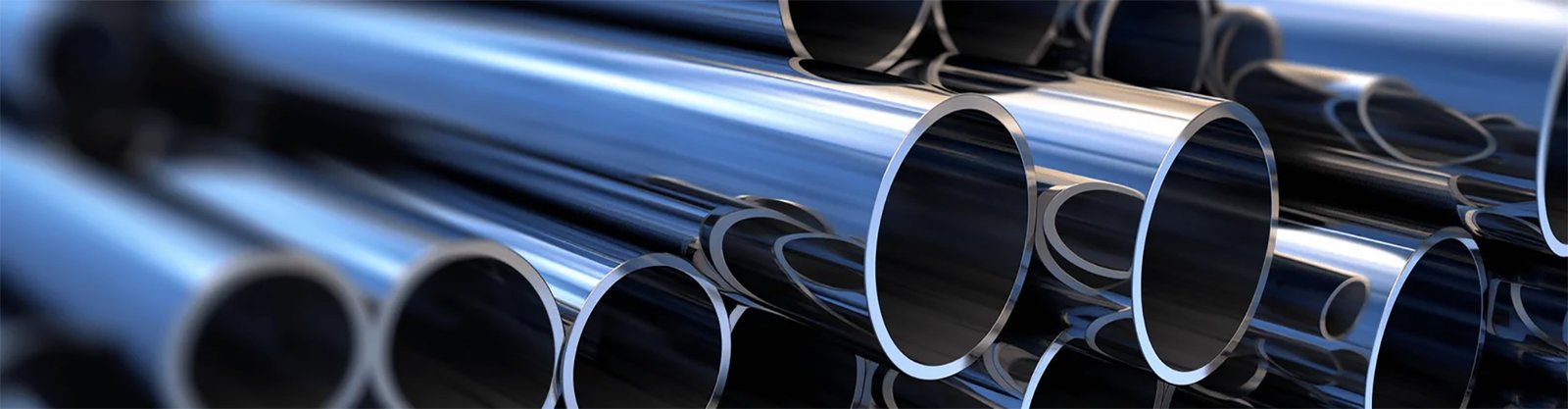
Titanium tubing withstands the high-salinity conditions in reverse osmosis and multi-stage flash distillation systems.
Limitations of Titanium’s Corrosion Resistance
While titanium is highly corrosion resistant, there are certain conditions where it can be attacked:
-
Strong Reducing Acids: Hydrofluoric acid (HF) and hot concentrated sulfuric acid can dissolve titanium.
-
Low-Oxygen Environments: Crevice corrosion can occur in tightly confined spaces where oxygen is depleted.
-
High-Temperature Halides: Titanium is vulnerable in dry chlorine gas at high temperatures.
Engineers must account for these limitations when designing equipment.
Titanium vs. Stainless Steel in Corrosion Environments
While stainless steel is corrosion resistant, it can still suffer from pitting in chlorides and stress corrosion cracking. Titanium outperforms stainless steel in long-term seawater exposure and in highly chlorinated systems. This advantage often offsets titanium’s higher initial cost because maintenance and replacement expenses are reduced.
The Role of Density and Corrosion Resistance Together
One of titanium’s biggest advantages is that it combines corrosion resistance with low density (4.51 g/cm³). This results in structures that are lighter yet more durable than those made from heavier corrosion-resistant metals like nickel alloys.
Sourcing Reliable Titanium for Corrosion-Resistant Applications
To fully benefit from titanium’s corrosion resistance, it is critical to source materials from reputable suppliers. Companies such as sakyalloy ensure that titanium meets strict international quality standards, providing the purity and alloy composition necessary for long-term performance. Working with sakyalloy gives industries confidence in titanium products that maintain integrity in the harshest environments.
Maintenance and Longevity
Titanium equipment often requires minimal maintenance:
-
No need for heavy protective coatings
-
Rarely requires replacement due to corrosion
-
Can last decades in marine and chemical environments
This durability makes titanium a cost-effective choice over the long term despite its higher purchase price.
Conclusion
Yes — titanium is highly corrosion resistant, thanks to its stable, self-healing oxide layer. It excels in seawater, chloride, and many chemical environments, outperforming most other metals. While not immune to all chemical attacks, its resistance in the majority of industrial and natural environments makes it an indispensable material for critical applications in aerospace, marine, medical, and chemical industries.