
Is Titanium Heat Resistant
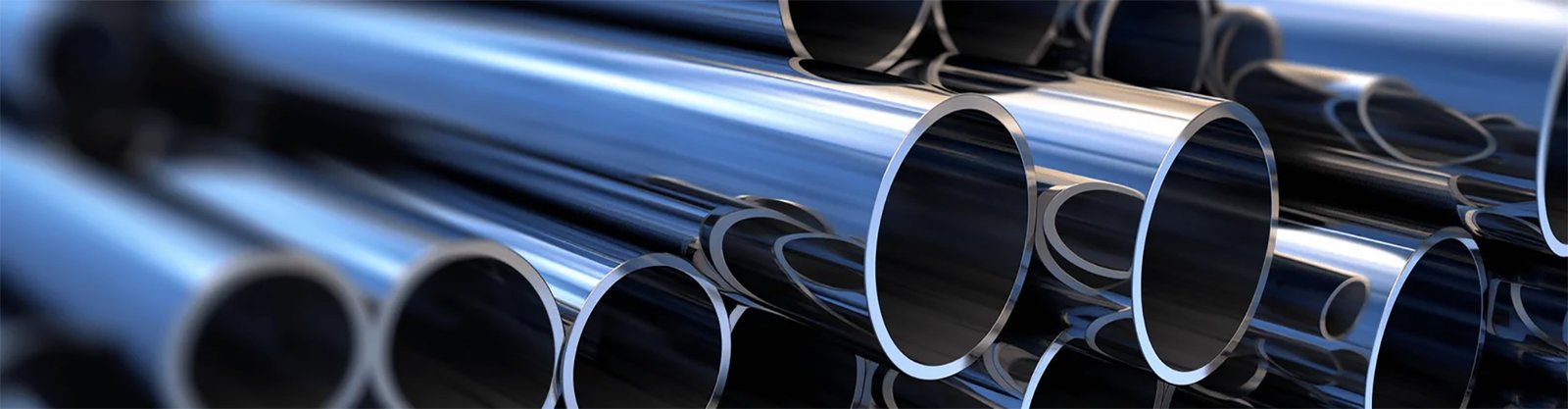
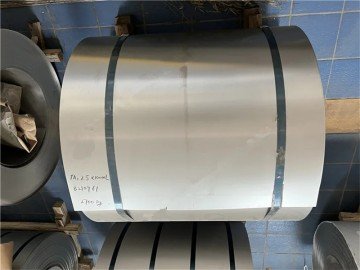
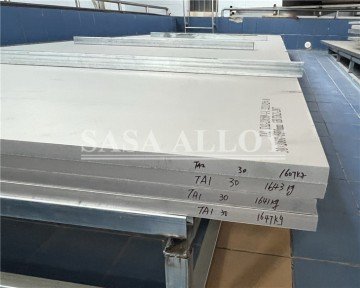
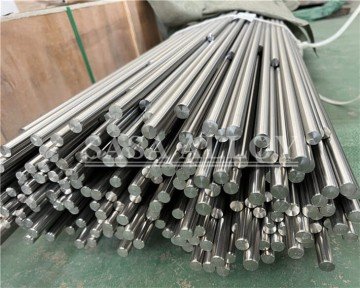
When industries evaluate materials for high-temperature environments, titanium often emerges as a top candidate. Known for its exceptional strength-to-weight ratio, corrosion resistance, and biocompatibility, titanium also demonstrates impressive performance when exposed to heat. But the question remains: is titanium heat resistant, and how does it compare to other metals under extreme thermal conditions?
This article explores the heat resistance of titanium, the science behind its thermal properties, and the industries that rely on titanium to perform in demanding high-temperature environments.
Introduction to Titanium and Heat Resistance
Titanium is a transition metal with a melting point of 1668°C (3034°F), which is significantly higher than many commonly used structural metals. Its ability to withstand extreme temperatures without losing mechanical integrity makes it a preferred choice in aerospace, chemical processing, and energy industries.
Unlike aluminum, which softens at relatively low temperatures, or some steels that oxidize quickly under heat, titanium maintains stability and forms a protective oxide film that enhances durability at elevated temperatures.
Key Thermal Properties of Titanium
1. High Melting Point
Titanium melts at 1668°C, which is higher than aluminum (660°C) and stainless steel (~1500°C depending on grade). This makes titanium capable of withstanding prolonged exposure to high heat.
2. Oxidation Resistance
-
Titanium forms a thin, stable oxide layer (TiO₂) that protects it from further oxidation.
-
This property makes it useful in environments where metals are exposed to air, steam, or combustion gases.
3. Thermal Expansion
-
Titanium has a relatively low thermal expansion rate compared to aluminum.
-
This means it retains dimensional stability under heat, an advantage for aerospace and precision-engineered parts.
4. Thermal Conductivity
-
Titanium has lower thermal conductivity than copper or aluminum.
-
While this means it is less efficient for heat transfer, it prevents overheating in certain applications.
5. Strength Retention at High Temperatures
-
Titanium alloys, especially Grade 5 (Ti-6Al-4V), retain significant strength at temperatures up to 400–600°C.
-
Specialized alloys can perform in environments exceeding 600°C.
How Heat Resistant Is Titanium Compared to Other Metals?
| Metal | Melting Point (°C) | Oxidation Resistance | High-Temperature Strength |
|---|---|---|---|
| Aluminum | 660 | Poor | Weak above 200°C |
| Stainless Steel | ~1370–1500 | Good but prone to scaling | Good up to 800°C |
| Nickel Alloys | ~1350–1450 | Excellent | Outstanding > 700°C |
| Titanium | 1668 | Excellent | Strong up to 600°C |
This comparison shows titanium’s balance: while nickel alloys may outperform it at ultra-high temperatures, titanium offers an excellent compromise between heat resistance, strength, and weight.
Titanium in High-Temperature Applications
1. Aerospace Industry
-
Jet engines, exhaust systems, and compressor blades use titanium due to its heat resistance and light weight.
-
Reducing aircraft weight while ensuring thermal stability improves fuel efficiency and safety.
2. Automotive Industry
-
High-performance cars use titanium in exhaust systems where components must withstand heat without corroding.
3. Power Generation
-
Titanium heat exchangers and turbine components endure hot steam and aggressive conditions in power plants.
4. Chemical Processing
-
Titanium vessels and piping handle hot, corrosive chemicals safely.
5. Marine and Offshore Applications
-
Even in hot seawater environments, titanium maintains strength and resists oxidation.
Oxidation Behavior at Elevated Temperatures
Titanium resists oxidation well up to around 600°C, but above this, the oxide layer thickens and may spall. To counter this, engineers often use titanium alloys with additional elements like aluminum or molybdenum to extend high-temperature performance.
Limitations of Titanium’s Heat Resistance
While titanium is highly heat resistant, it does have limitations:
-
At temperatures above 600–700°C, it loses significant strength.
-
Oxidation becomes more aggressive in air beyond this range.
-
Nickel-based superalloys are preferred for environments above 700°C, such as turbine blades in jet engines.
Despite these limitations, titanium remains one of the most versatile and heat-capable metals below 600°C.
Economic Value of Heat Resistance
Using titanium may involve higher initial costs, but its durability in high-temperature environments translates to:
-
Longer equipment life
-
Lower maintenance and downtime
-
Improved efficiency and reliability
Industries investing in titanium benefit from long-term cost savings and safety.
Why Industries Prefer Titanium
-
Aerospace: Lightweight plus high-temperature endurance
-
Medical: Safe for sterilization at high heat without degradation
-
Marine: Withstands hot seawater without pitting corrosion
-
Chemical plants: Endures heat and acids simultaneously
By combining heat resistance with corrosion resistance, titanium becomes invaluable in demanding applications.
Final Thoughts
So, is titanium heat resistant? The answer is a strong yes. With a melting point of 1668°C, stability up to 600°C, and natural oxidation resistance, titanium proves itself as one of the best heat-resistant metals available.
While it cannot compete with nickel alloys in ultra-high-temperature turbine applications, it remains unmatched in industries where weight, strength, and heat resistance must all be balanced.
For companies seeking reliable titanium alloys for high-performance projects, sakyalloy provides certified materials that meet global standards. By sourcing titanium from sakyalloy, industries ensure durability, safety, and efficiency under heat-intensive conditions.