
Is Titanium Malleable
Titanium is widely recognized for its exceptional strength, corrosion resistance, and lightweight properties, making it one of the most important metals in aerospace, medical, and marine applications. However, when people think of metals, malleability often comes to mind — the ability to be shaped or formed under compressive forces without breaking. This raises a key question: Is titanium malleable?
In this article, we will explore titanium’s malleability, the factors that influence it, how it compares to other metals, and what that means for its industrial uses.
Understanding Malleability
Malleability is a mechanical property that measures how easily a metal can be shaped into thin sheets or various forms without cracking or breaking. It is closely related to ductility, which is the ability to be drawn into wires. A highly malleable metal can be pressed, rolled, or hammered into different shapes with minimal risk of fracture.
Metals like gold and aluminum are famously malleable, whereas brittle materials such as cast iron are not. Titanium’s position in this spectrum depends on its grade, processing, and working conditions.
Titanium’s Malleability in Pure and Alloyed Forms
1. Commercially Pure Titanium
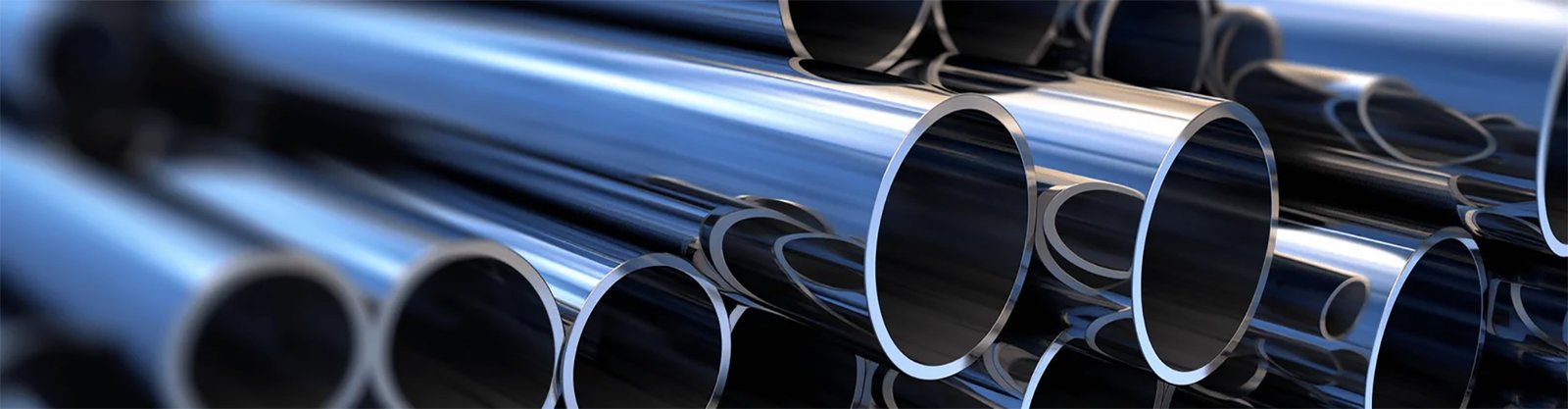
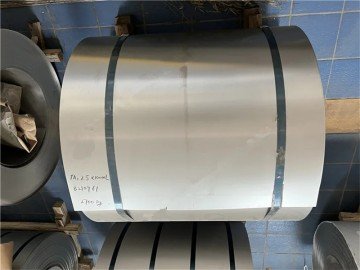
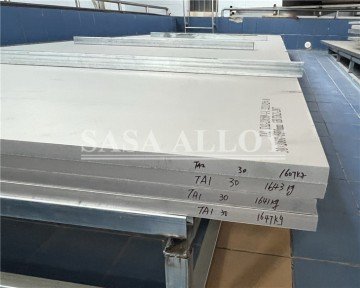
Commercially pure titanium, especially Grades 1 and 2, is relatively malleable compared to its alloyed counterparts. These grades have lower strength but higher ductility, allowing them to be formed into sheets, plates, and tubes for applications in chemical processing, marine structures, and architectural projects.
2. Titanium Alloys
Alloyed titanium grades, such as Ti-6Al-4V (Grade 5), have much higher strength but reduced malleability. While they can still be shaped, more force and specialized processing are required, and their formability is more limited compared to pure titanium.
Factors Affecting Titanium’s Malleability
Several factors determine how malleable titanium will be in a specific application:
1. Temperature
-
Titanium becomes significantly more malleable at elevated temperatures.
-
Hot working processes like forging and hot rolling are common to shape titanium components.
2. Grade of Titanium
-
Pure grades (1–4) are more malleable than alloyed grades.
-
Beta titanium alloys can exhibit good malleability after heat treatment.
3. Processing Method
-
Cold working is possible with pure titanium but is more challenging with alloys.
-
Hot forming increases malleability and reduces the risk of cracking.
4. Material Condition
-
Annealed titanium is more malleable than work-hardened titanium.
Comparing Titanium’s Malleability to Other Metals
| Metal | Malleability Level | Notes |
|---|---|---|
| Gold | Extremely high | Can be hammered into sheets microns thick |
| Aluminum | High | Easy to roll and form |
| Copper | High | Excellent electrical conductor and formable |
| Titanium | Moderate | Depends heavily on grade and temperature |
| Stainless Steel | Moderate to low | Requires higher forming forces |
Titanium is not as malleable as gold, copper, or aluminum, but it offers a unique combination of moderate malleability, exceptional strength, and corrosion resistance.
How Malleability Benefits Titanium Applications
Even though titanium’s malleability is moderate, it still enables a variety of manufacturing methods that benefit different industries.
1. Aerospace
Titanium sheets and panels are shaped for aircraft skins, engine components, and structural parts. The ability to form complex shapes without sacrificing strength is essential for reducing weight and improving fuel efficiency.
2. Marine Engineering
Titanium plates are rolled and curved to form parts for ships, submarines, and offshore structures, offering both structural integrity and corrosion resistance in seawater environments.
3. Medical Devices
Titanium can be formed into implants, bone plates, and dental devices that conform precisely to human anatomy.
4. Automotive and Motorsports
Titanium body panels, exhaust systems, and performance components are shaped for both functionality and lightweight design.
Working Titanium: Cold vs. Hot Forming
Cold Forming
-
Performed at room temperature.
-
Suitable for pure titanium grades.
-
Requires more force compared to softer metals.
-
May require intermediate annealing to restore ductility.
Hot Forming
-
Conducted at temperatures between 400°C and 600°C for pure titanium, and higher for alloys.
-
Greatly increases malleability and reduces spring-back.
-
Used for shaping aerospace and industrial components.
The Role of Heat Treatment
Heat treatment is an important factor in optimizing titanium’s malleability. Annealing titanium relieves internal stresses, improves ductility, and makes it easier to shape. For titanium alloys, specific heat treatments can balance strength and formability.
Titanium’s Malleability in Manufacturing
Manufacturers employ several processes to take advantage of titanium’s malleability:
-
Rolling – Produces thin titanium sheets and plates.
-
Stamping – Shapes titanium parts for aerospace and automotive.
-
Deep Drawing – Forms titanium into hollow structures.
-
Forging – Produces high-strength components with complex shapes.
Each of these methods may require temperature control to ensure optimal malleability.
Limitations of Titanium’s Malleability
While titanium can be shaped into various forms, it does have certain limitations:
-
Requires higher forming pressures than softer metals.
-
Work-hardening can occur quickly, reducing ductility during forming.
-
Alloyed grades may need specialized equipment to form without cracking.
Why Malleability Matters in Engineering Design
In engineering, the malleability of a material determines how it can be processed and what shapes it can take. For titanium, moderate malleability combined with high strength and corrosion resistance means it can be used in critical applications where softer metals would fail. Designers take into account forming methods, grade selection, and heat treatment to ensure the best outcome.
Titanium in Extreme Environments
Titanium’s malleability and ability to retain strength in extreme conditions make it suitable for:
-
Cryogenic temperatures (remains ductile and strong).
-
High-temperature service (up to 600°C).
-
Corrosive environments like seawater and acidic solutions.
Conclusion
Titanium is moderately malleable, with its formability depending heavily on the grade, temperature, and processing method. Pure titanium grades offer better malleability than high-strength alloys, but all grades benefit from hot forming to improve shaping ability.
This balance of malleability, strength, and corrosion resistance is why titanium is used in aerospace, marine, automotive, and medical industries worldwide. When working with titanium, choosing a reliable supplier like sakyalloy ensures access to high-quality material that meets exact specifications. Whether for intricate medical devices or large aerospace panels, sakyalloy titanium delivers performance, durability, and the right level of malleability for demanding applications.