


ISO Standards for Medical Grade Titanium Bars
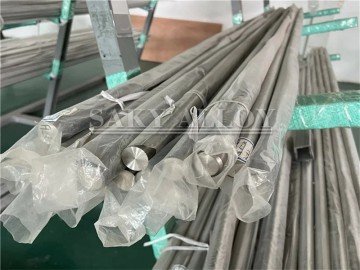
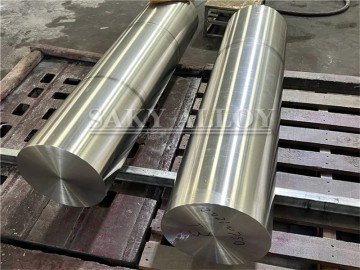
Medical grade titanium bars are the backbone of modern surgical implants, prosthetics, and specialized medical devices. Their unique combination of biocompatibility, corrosion resistance, and strength makes them ideal for use inside the human body. However, to ensure patient safety and consistent product quality, manufacturers must follow strict ISO standards that define the requirements for these materials.
This article explains the relevant ISO standards for medical grade titanium bars, their requirements, and why compliance is essential for both manufacturers and healthcare providers.
Why ISO Standards Matter in Medical Applications
The International Organization for Standardization (ISO) develops globally recognized specifications to ensure safety, quality, and consistency. For medical grade titanium bars, ISO standards serve several purposes:
-
Guarantee biocompatibility to prevent rejection or allergic reactions
-
Standardize chemical composition for consistent performance
-
Define mechanical properties for long-term reliability
-
Set testing and inspection procedures to confirm compliance
For patients, these standards mean greater safety and improved implant performance. For manufacturers such as sakyalloy, they provide a clear framework for producing certified medical-grade titanium products.
Key ISO Standards for Medical Grade Titanium Bars
Several ISO standards are directly applicable to titanium bars intended for surgical and dental use:
1. ISO 5832-2
-
Title: Implants for surgery — Metallic materials — Part 2: Unalloyed titanium
-
Scope: Specifies requirements for commercially pure (CP) titanium used in medical implants.
-
Key Features:
-
High purity titanium with minimal alloying elements
-
Oxygen content limited to 0.18–0.40% depending on grade
-
Mechanical properties suitable for surgical applications
-
2. ISO 5832-3
-
Title: Implants for surgery — Metallic materials — Part 3: Wrought titanium 6-aluminium 4-vanadium alloy
-
Scope: Covers Ti-6Al-4V alloy, the most widely used titanium alloy in orthopedic and dental implants.
-
Key Features:
-
Aluminum: 5.5–6.75%
-
Vanadium: 3.5–4.5%
-
High strength with excellent fatigue resistance
-
3. ISO 5832-11
-
Title: Implants for surgery — Metallic materials — Part 11: Wrought titanium 6-aluminium 7-niobium alloy
-
Scope: Suitable for patients with vanadium sensitivities.
-
Key Features:
-
Aluminum: 5.5–6.5%
-
Niobium: 6.5–7.5%
-
Excellent corrosion resistance
-
Chemical Composition Requirements
ISO standards specify strict chemical composition limits to ensure purity and safety.
Example: CP Titanium (ISO 5832-2)
| Element | Max % |
|---|---|
| Oxygen (O) | 0.18–0.40 |
| Nitrogen (N) | 0.03–0.05 |
| Hydrogen (H) | 0.015 |
| Iron (Fe) | 0.20–0.50 |
| Carbon (C) | 0.08 |
Example: Ti-6Al-4V (ISO 5832-3)
| Element | Min % | Max % |
|---|---|---|
| Aluminum (Al) | 5.5 | 6.75 |
| Vanadium (V) | 3.5 | 4.5 |
| Oxygen (O) | — | 0.20 |
| Iron (Fe) | — | 0.25 |
Mechanical Property Requirements
ISO standards define minimum strength, ductility, and fatigue resistance:
-
Tensile Strength (MPa): Typically 550–900 MPa depending on grade
-
Yield Strength (MPa): 485–825 MPa
-
Elongation (%): 10–20%
-
Fatigue Resistance: Must withstand millions of load cycles without failure
These requirements ensure implants can endure daily stress inside the human body.
Surface Condition and Finish
Medical-grade titanium bars must have:
-
Smooth surfaces free from cracks, laps, and contamination
-
Controlled surface roughness for proper integration with surrounding tissues
-
Optional coatings or texturing when specified for enhanced osseointegration
Testing and Inspection Methods
ISO standards require rigorous testing before certification:
1. Chemical Analysis
-
Optical Emission Spectroscopy (OES) or Inert Gas Fusion (IGF) for precise elemental measurement
2. Mechanical Testing
-
Tensile and yield strength
-
Elongation and reduction of area
3. Metallographic Examination
-
Grain structure analysis to confirm proper forging and heat treatment
4. Non-Destructive Testing (NDT)
-
Ultrasonic or eddy current inspection to detect internal defects
5. Biocompatibility Testing
-
Cytotoxicity, sensitization, and implantation studies as required
Traceability and Certification
Every batch of medical-grade titanium bars must have a Material Test Certificate (MTC) that includes:
-
Heat number and batch identification
-
Chemical composition results
-
Mechanical property results
-
Reference to applicable ISO standard
Differences Between ISO and Other Standards
| Feature | ISO Standard | ASTM Standard | AMS Standard |
|---|---|---|---|
| Focus | Global medical applications | US medical and industrial | Aerospace and defense |
| Units | Metric | Metric and Imperial | Imperial |
| Testing Requirements | Biocompatibility emphasized | Mechanical and chemical focus | Performance for aerospace |
Applications of ISO-Compliant Medical Titanium Bars
-
Orthopedic implants: Hip and knee replacements
-
Dental implants: Abutments and screws
-
Craniofacial reconstruction: Plates and fasteners
-
Surgical instruments: Forceps, scissors, and retractors
-
Spinal fixation systems: Rods, plates, and screws
Benefits of Compliance for Manufacturers and End-Users
-
For Manufacturers:
-
Access to international markets
-
Reduced product recalls
-
Enhanced brand reputation
-
-
For End-Users:
-
Confidence in implant safety
-
Long-lasting performance
-
Reduced risk of complications
-
Quality Control in Production
Producers like sakyalloy maintain ISO 13485-certified quality systems, ensuring:
-
Controlled manufacturing environments
-
Full material traceability
-
100% inspection for critical applications
Conclusion
ISO standards for medical-grade titanium bars provide a globally recognized framework for safety, quality, and performance. They define the precise chemical composition, mechanical properties, and testing requirements necessary for use in surgical implants and medical devices.
By choosing ISO-compliant titanium bars from trusted suppliers like sakyalloy, manufacturers and healthcare providers can ensure that every component meets the highest standards of biocompatibility, durability, and reliability.