
Lead Times for Titanium Pipe: What to Expect
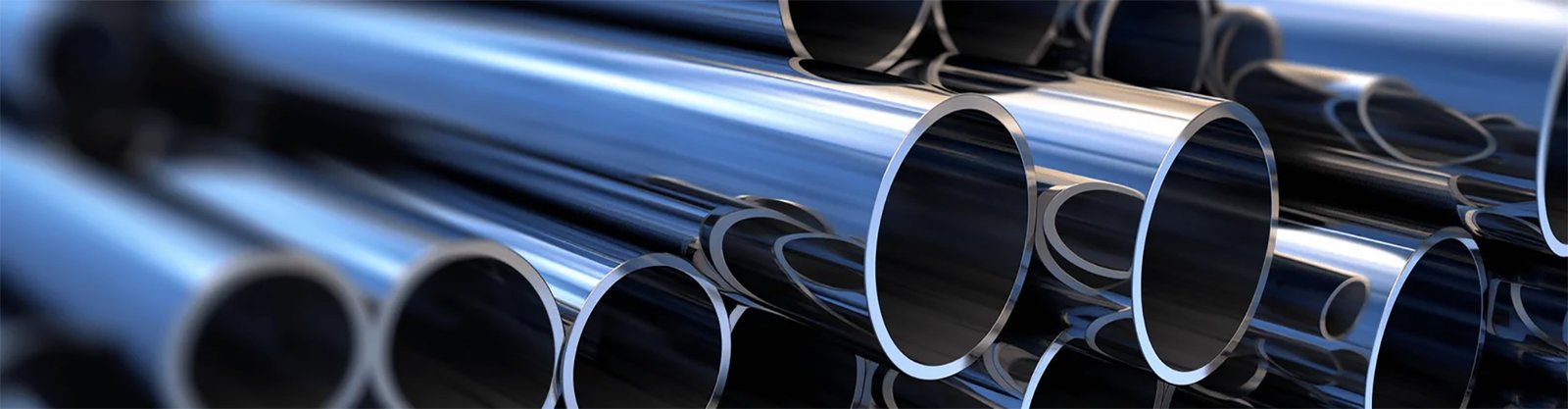
Titanium pipes are vital components in industries that demand exceptional strength, corrosion resistance, and durability. From aerospace and marine to chemical processing and power generation, titanium piping systems support critical infrastructure across the globe. However, one of the most common questions buyers and project managers face is: What are the typical lead times for titanium pipe, and how can we plan procurement accordingly?
In this article, we will explore the key factors that influence titanium pipe lead times in 2025, regional differences, ways to reduce delivery delays, and how to work effectively with suppliers like sakyalloy to secure the materials you need, when you need them.
Why Understanding Lead Times for Titanium Pipe Is Crucial
Titanium pipe is often specified for high-stakes applications where failure is not an option. But unlike more common materials like carbon steel or aluminum, titanium requires specialized manufacturing, inspection, and certification processes. These factors, combined with global supply chain dynamics, mean that titanium pipe typically has longer lead times.
Knowing what to expect helps you:
-
Align material deliveries with project schedules.
-
Avoid costly downtime or project delays.
-
Plan inventory levels strategically.
-
Mitigate risks associated with market fluctuations.
By staying ahead of lead time expectations, buyers can secure both cost efficiency and project reliability.
Key Factors That Influence Titanium Pipe Lead Times
Several variables come into play when determining how long it takes to source and deliver titanium pipe. Let’s break down the most important ones.
1. Availability of Raw Material
Titanium is not as readily available as more common metals. The production of titanium sponge and ingots — the raw forms used to make pipes — is limited to a small number of specialized facilities worldwide. In 2025, titanium sponge supply continues to face constraints due to:
-
Geopolitical tensions in major producing regions.
-
Environmental restrictions impacting mining and processing.
-
Strong demand from aerospace and defense sectors.
When raw material availability tightens, titanium pipe lead times naturally extend.
2. Pipe Specification and Complexity
The lead time for titanium pipe depends heavily on the grade, dimensions, and specific requirements. For example:
-
Standard sizes of Grade 2 seamless pipe may be available from stock or produced with relatively short lead times (8–12 weeks).
-
Custom dimensions, thick-walled pipes, or rare grades (e.g., Grade 7 or Grade 12) may require significantly longer production cycles (16–24 weeks or more).
-
Additional requirements, such as special heat treatments, tight tolerances, or unique certifications, will also add time.
3. Manufacturing Process
Titanium pipes can be produced via seamless or welded methods:
-
Seamless titanium pipes require forging, extrusion, and precision machining. These processes are time- and labor-intensive.
-
Welded titanium pipes may offer slightly shorter lead times but still require specialized equipment and skilled labor.
Furthermore, manufacturers often produce in batches to optimize furnace and equipment usage, which can impact delivery schedules.
4. Certification and Testing
For industries like aerospace, chemical processing, and nuclear power, titanium pipe orders must meet strict standards (ASTM B861, ASTM B862, ASME, NORSOK, etc.) and undergo extensive testing:
-
Non-destructive testing (NDT)
-
Dimensional inspections
-
Chemical and mechanical property testing
-
Third-party inspections
Each of these stages adds to the total lead time but is critical for ensuring product integrity.
5. Supplier Capacity and Backlog
Global demand for titanium products is high, especially from sectors prioritizing lightweight and corrosion-resistant materials. If a manufacturer is operating at full capacity, new orders may need to wait their turn in the production queue, adding to lead times.
That’s why partnering with established suppliers like sakyalloy, who maintain flexible production planning and priority slots for long-term customers, can help mitigate delays.
6. Logistics and Shipping
Shipping titanium pipes, which are often bulky and high-value, adds another layer of lead time:
-
Container availability and port congestion impact delivery.
-
Shipping regulations and customs processes can cause delays, especially on international routes.
-
Buyers in remote regions may face longer transit times.
Shipping times alone can account for 2–8 weeks depending on the source and destination.
Typical Lead Times by Region
Let’s look at typical titanium pipe lead times in 2025 by region:
Asia-Pacific
As a major production hub, the Asia-Pacific region (China, Japan, South Korea) offers relatively competitive lead times, particularly for standard grades and sizes:
-
Ex-stock or near-term availability: 4–8 weeks.
-
New production (standard specs): 10–14 weeks.
-
New production (custom specs): 16–24 weeks.
Europe
European buyers typically face:
-
Ex-stock availability (from distributors): 4–6 weeks.
-
New production (standard specs): 12–16 weeks.
-
New production (custom specs): 18–26 weeks.
Lead times are extended slightly due to import dependencies and local certification requirements.
North America
In North America:
-
Ex-stock availability (from local stockists): 4–8 weeks.
-
New production (standard specs): 12–16 weeks.
-
New production (custom specs): 18–28 weeks.
Supply chain reshoring efforts are helping to reduce lead times gradually in this region.
Middle East & Africa
Buyers here largely depend on imports:
-
Ex-stock availability: Rare, usually 6–10 weeks.
-
New production + shipping: 16–30 weeks depending on source.
Latin America
Similar to the Middle East, Latin American buyers typically face:
-
Ex-stock availability: Limited, 6–10 weeks.
-
New production + shipping: 18–32 weeks.
How to Reduce Titanium Pipe Lead Times
While some factors are beyond buyer control, several strategies can help minimize delays:
Plan Early and Lock in Orders
Engage suppliers as early as possible in the project timeline. Early planning helps:
-
Reserve production slots.
-
Avoid price hikes tied to raw material surges.
-
Ensure on-time delivery despite market volatility.
Build Long-Term Supplier Relationships
Long-term relationships with reputable suppliers like sakyalloy offer:
-
Priority scheduling.
-
Better visibility into production status.
-
Quicker response to urgent orders.
Use Stock Programs
Some suppliers offer stockholding or consignment stock options. Participating in these programs ensures ready availability for future needs.
Standardize Specifications
Where possible, align project needs with standard sizes and grades to benefit from shorter lead times and available inventory.
Consolidate Orders
Combining orders for titanium pipes with other titanium products (e.g., flanges, fittings) reduces shipping complexities and improves supply chain efficiency.
Pitfalls That Cause Titanium Pipe Lead Time Delays
Buyers should be aware of common pitfalls that contribute to unexpected delays:
-
Last-minute design changes requiring different pipe sizes or grades.
-
Incomplete documentation slowing down certifications or customs clearance.
-
Sourcing from unverified suppliers, leading to quality issues or shipment rejections.
Proactive communication and thorough planning help avoid these issues.
Final Thoughts
Titanium pipe lead times in 2025 reflect a complex interplay of manufacturing realities, supply chain dynamics, and global demand. While standard products may be available within a few weeks, custom or high-specification titanium pipes often require several months from order to delivery.
Buyers can set realistic expectations and safeguard project schedules by understanding these trends and working with reliable, transparent suppliers like sakyalloy, who prioritize quality, traceability, and customer satisfaction. Early planning and strategic partnerships remain key to successfully managing titanium pipe procurement in today’s dynamic market.