
Machining Titanium Pipe: Key Considerations
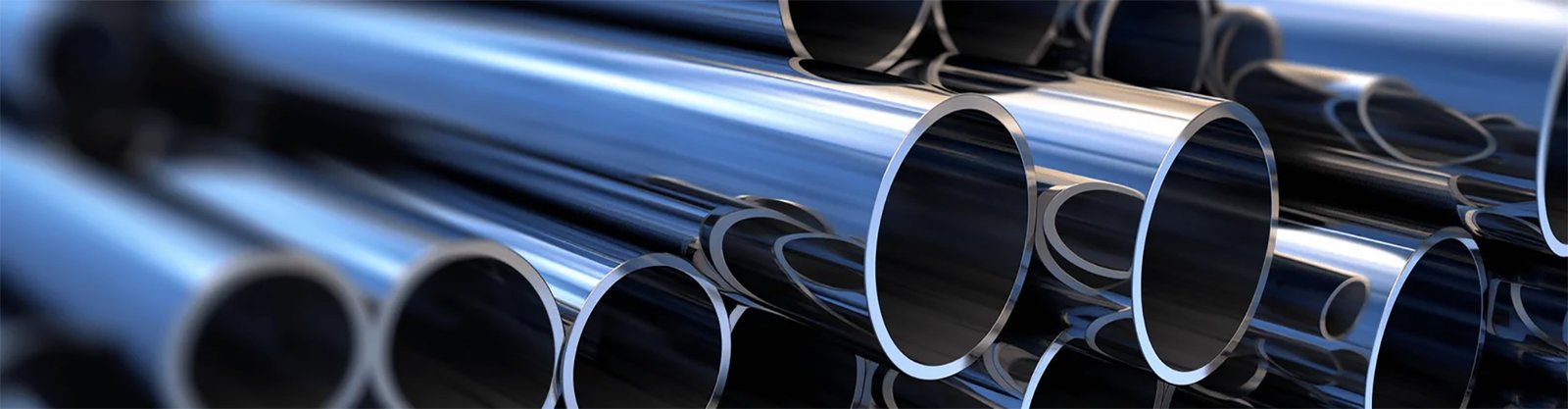
Titanium pipe is highly valued in industries ranging from aerospace and marine engineering to chemical processing and power generation. Its exceptional combination of low density, high strength, and excellent corrosion resistance makes it ideal for critical applications where reliability is paramount. However, these very properties that make titanium pipe desirable also present unique challenges during machining. Without the right approach, machinists may encounter tool wear, excessive heat generation, and suboptimal finishes. In this article, we will explore machining titanium pipe: key considerations, offering practical guidance and expert insights to ensure precision, efficiency, and component integrity.
Why Machining Titanium Pipe Is Different
Titanium’s unique material characteristics set it apart from other metals in machining operations. Before diving into techniques and tips, it is important to understand the properties that influence its machinability:
-
Low thermal conductivity: Titanium does not readily dissipate heat generated during machining. This concentrates heat at the cutting edge, leading to rapid tool wear.
-
High strength and toughness: Titanium pipe resists deformation, which increases the cutting forces required during machining.
-
Tendency to galling and work hardening: Titanium can stick to cutting tools, causing built-up edge formation and surface damage.
-
Elasticity: Titanium pipe tends to spring back slightly after cutting, affecting dimensional accuracy if not managed properly.
These properties demand a thoughtful approach to tool selection, cutting parameters, and cooling strategies.
Essential Pre-Machining Considerations
Before machining titanium pipe, certain preparatory steps will significantly improve the quality of the final result and the life of your tools.
1. Material Condition
Check the titanium pipe’s material condition and specifications. Commercially pure titanium and titanium alloys (such as Ti-6Al-4V) exhibit different machining characteristics. Understanding the grade ensures you select the proper tooling and cutting data.
2. Pipe Fixturing
Titanium pipe must be securely clamped or supported during machining to prevent vibration and deflection. Because of its elasticity, even minor movement can result in chatter, poor surface finish, and inaccurate dimensions. Use soft jaws or padded clamps to avoid marring the pipe’s surface.
3. Tooling Selection
Use sharp, high-quality cutting tools designed for titanium or high-temperature alloys. Carbide tools with specific geometries for titanium machining are preferred due to their hardness and heat resistance. Coated tools (such as TiAlN or AlTiN) further enhance heat resistance and reduce friction.
Key Machining Techniques for Titanium Pipe
Several machining processes are used when working with titanium pipe. Each requires specific considerations to achieve optimal results.
Turning Titanium Pipe
Turning titanium pipe on a lathe is common for creating precise diameters and smooth finishes. Tips for success:
-
Use rigid setups with minimal overhang of the pipe or tool.
-
Apply lower cutting speeds (typically 30–60 m/min) to minimize heat buildup.
-
Opt for relatively high feed rates to promote chip formation and reduce rubbing.
-
Use generous coolant flow directed at the cutting zone.
Turning titanium requires consistent attention to tool condition; replace or resharpen tools before noticeable dulling occurs to maintain quality.
Milling Titanium Pipe
Milling operations on titanium pipe (such as slotting, facing, or contouring) benefit from:
-
Sharp, positive-rake cutters to reduce cutting forces.
-
Moderate spindle speeds with heavier feed per tooth.
-
Use of climb milling techniques to improve surface finish and tool life.
-
Flood coolant to control temperature and clear chips.
Avoid long engagements that cause excessive heat accumulation; intermittent cutting can help control heat.
Drilling Titanium Pipe
Drilling through titanium pipe walls presents its own challenges. Best practices include:
-
Using carbide drills with split-point geometry to minimize walking.
-
Starting holes with a pilot drill to enhance accuracy.
-
Reducing spindle speeds and increasing feed rates compared to steel drilling.
-
Withdrawing the drill regularly to clear chips and prevent clogging.
For deep holes, consider peck drilling cycles and high-pressure coolant delivery to the drill point.
Threading and Tapping Titanium Pipe
When internal or external threads are required:
-
Use high-quality taps or thread mills designed for titanium.
-
Apply steady cutting speeds with ample lubrication.
-
Avoid reversing taps under load, as titanium’s elasticity may cause galling or seizing.
Thread rolling is not typically recommended for titanium because of its high strength and potential for work hardening.
Managing Heat and Chip Control
One of the greatest challenges in machining titanium pipe is managing the heat generated at the cutting zone. Strategies to address this include:
-
Using flood coolant or high-pressure coolant systems to cool the cutting edge and flush chips away.
-
Selecting tool geometries that promote short, curled chips, which are easier to evacuate.
-
Avoiding light cuts that encourage rubbing rather than clean shearing of material.
Chip control is essential not only for tool life but also for safety, as titanium chips can be sharp and hot.
Surface Finish and Dimensional Accuracy
Titanium’s elasticity can affect dimensional accuracy, especially in thin-walled pipe. To counteract this:
-
Minimize radial cutting forces through optimized tool geometry and cutting conditions.
-
Make light finishing passes after roughing operations to achieve precise dimensions.
-
Inspect parts frequently during machining to confirm tolerance compliance.
Surface finish can be enhanced by ensuring tool sharpness, using appropriate cutting fluids, and avoiding excessive heat input that can cause discoloration or surface hardening.
Tool Life Optimization
Titanium is notorious for its effect on tool wear. To maximize tool life:
-
Use coated carbide tools or advanced ceramics where appropriate.
-
Set cutting parameters that balance productivity and tool longevity.
-
Monitor tool wear closely and change tools before they degrade the cut quality.
-
Consider using newer technologies, such as high-pressure coolant through-tool systems, to reduce heat and improve chip evacuation.
Safety Considerations When Machining Titanium Pipe
Machining titanium produces fine chips and dust that can present fire hazards under certain conditions. Follow these safety guidelines:
-
Keep the work area clean and free of accumulated titanium chips.
-
Avoid cutting dry; always use coolant where possible to minimize heat and reduce ignition risk.
-
Have appropriate fire extinguishers (Class D) available near the machining area.
-
Wear personal protective equipment, including gloves, eye protection, and hearing protection.
The Role of sakyalloy in Titanium Pipe Machining Success
At sakyalloy, we supply titanium pipe products engineered for ease of machining while delivering the mechanical performance and corrosion resistance our clients demand. Our titanium pipes are produced with tight tolerances, clean surfaces, and consistent material properties, giving machinists the ideal starting point for precision fabrication.
By partnering with sakyalloy, you gain access not only to premium titanium pipe but also to technical support and guidance to help your machining operations succeed. From selecting the right grade of titanium to advising on cutting and finishing strategies, we are here to help you achieve optimal results.
Conclusion
Machining titanium pipe presents unique challenges, but with the right tools, techniques, and attention to detail, manufacturers can achieve precise, high-quality components that meet the most demanding specifications. By understanding titanium’s properties and adapting machining practices accordingly, you can extend tool life, improve efficiency, and produce parts that perform flawlessly in service.
Whether you’re turning, milling, drilling, or threading titanium pipe, success begins with proper preparation, appropriate tool selection, and disciplined process control. When combined with premium materials from trusted suppliers like sakyalloy, your machining projects can achieve new levels of excellence.
For top-tier titanium pipe and expert support, trust sakyalloy — your reliable partner for titanium solutions that deliver performance, precision, and peace of mind.