
Market Trends: Global Titanium Pipe Pricing 2025
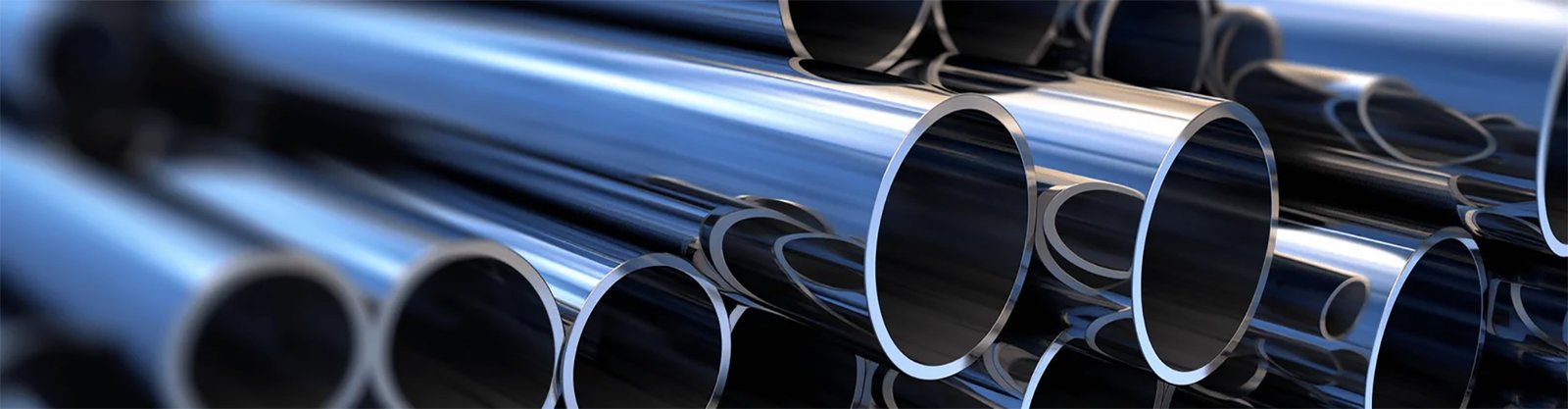
Titanium pipes have long been the material of choice for critical applications in aerospace, chemical processing, marine engineering, and power generation. As industries continue to prioritize high performance, corrosion resistance, and weight savings, the demand for titanium pipes remains strong worldwide. In 2025, the global titanium pipe market faces unique challenges and opportunities that directly influence pricing. This article explores the latest market trends shaping global titanium pipe pricing, offering valuable insights for buyers, engineers, and procurement professionals seeking to make informed purchasing decisions.
The Importance of Understanding Titanium Pipe Pricing
Titanium pipe is a premium product. Its price reflects not only the cost of raw materials but also the complexity of extraction, production, and certification processes. Understanding what drives titanium pipe pricing helps:
-
Optimize procurement strategies.
-
Accurately budget for major projects.
-
Identify cost-saving opportunities without compromising quality.
-
Negotiate better with suppliers.
As a global supplier of certified titanium pipes, sakyalloy keeps a close eye on these trends to support customers with competitive pricing and reliable delivery.
Key Drivers of Titanium Pipe Pricing in 2025
1. Raw Material Costs
Titanium is derived from titanium-bearing ores like ilmenite and rutile, through energy-intensive processes such as the Kroll method. In 2025, raw material prices continue to fluctuate due to:
-
Supply disruptions: Geopolitical tensions in regions rich in titanium ore (e.g., Russia, Ukraine) contribute to supply uncertainty.
-
Rising energy costs: Higher electricity and fuel prices raise production costs at the smelting and refining stages.
-
Sustainability regulations: Stricter environmental policies worldwide impact mining and processing costs.
These factors mean raw material costs remain one of the most significant influences on global titanium pipe pricing.
2. Manufacturing and Processing Expenses
Titanium pipe production is a specialized field involving forging, extrusion, and precision machining. In 2025, manufacturers face:
-
Increased labor costs in key production hubs.
-
Investments in cleaner technologies to meet ESG (environmental, social, and governance) requirements.
-
Upgrades to testing and certification processes to meet stricter industry standards.
These factors add pressure to final product pricing, particularly for high-specification or custom titanium pipes.
3. Global Demand from Key Industries
The industries consuming titanium pipe in 2025 are experiencing steady growth:
-
Aerospace: Strong demand for lightweight, high-strength piping systems in next-generation aircraft.
-
Chemical processing: Titanium pipes are essential for handling corrosive fluids in green hydrogen, battery manufacturing, and chemical plants.
-
Offshore energy: Growth in offshore wind and oil & gas sectors drives demand for durable piping solutions.
This robust demand contributes to firm pricing, as production capacity struggles to keep pace with global needs.
4. Exchange Rate Volatility
Titanium pipe pricing is influenced by currency exchange rates, as raw materials and finished products move across borders. In 2025:
-
The strength of the US dollar impacts international trade.
-
Exchange rate fluctuations add uncertainty to contract pricing for long-term projects.
Buyers need to consider currency risks when budgeting for titanium pipe procurement.
5. Freight and Logistics Challenges
Freight costs remain elevated in 2025 due to:
-
High container rates on key trade routes.
-
Port congestion in major hubs.
-
Regulatory changes affecting shipping emissions (e.g., IMO 2023-2025 regulations).
Titanium pipes, due to their weight and value, are sensitive to these shipping cost increases.
Regional Titanium Pipe Price Trends
Asia-Pacific
The Asia-Pacific region, led by China, Japan, and South Korea, remains the largest producer and consumer of titanium pipes. Pricing trends in this region are shaped by:
-
Competitive manufacturing base: Asia-Pacific offers lower production costs but is affected by local energy prices.
-
Government support: Policies supporting aerospace and marine industries help stabilize demand.
Prices remain relatively competitive compared to other regions but are trending upwards due to raw material and energy cost increases.
Europe
European buyers of titanium pipe face:
-
Higher environmental compliance costs for producers.
-
Demand from green energy projects, driving steady price growth.
-
Import dependency for raw materials, making Europe sensitive to supply disruptions.
Titanium pipe prices in Europe in 2025 are higher on average than in Asia-Pacific, driven by these regional factors.
North America
In North America:
-
Aerospace and defense demand is a major driver of titanium pipe procurement.
-
Buy America policies support domestic production but at higher cost levels.
-
Supply chain reshoring efforts are reshaping titanium pipe sourcing strategies.
Prices are stable but at a premium compared to global averages due to higher domestic production costs.
Middle East and Africa
Demand in the Middle East and Africa is rising due to energy and infrastructure projects. However:
-
Import reliance means buyers face global pricing levels plus shipping premiums.
-
Limited local production keeps costs elevated.
Latin America
In Latin America, titanium pipe prices are driven by:
-
Demand for pipes in chemical processing and offshore industries.
-
Dependence on imports, which exposes the region to freight costs and currency risks.
Titanium Pipe Price Outlook for the Rest of 2025
Titanium pipe prices globally are expected to:
-
Remain firm or rise modestly, driven by raw material, energy, and freight costs.
-
Be influenced by emerging demand from green energy sectors, particularly hydrogen production.
-
Experience regional variability based on local economic conditions, import duties, and supply chain structures.
Procurement teams are advised to lock in pricing through strategic contracts where possible and monitor market developments closely.
Sourcing Tips for Competitive Titanium Pipe Pricing
Build Long-Term Supplier Relationships
Working with trusted suppliers like sakyalloy helps secure:
-
Competitive pricing based on volume commitments.
-
Priority access during supply shortages.
-
Flexible payment and delivery terms.
Buy from Certified, Reliable Sources
Cheap titanium pipes with uncertain origins often carry hidden costs: failures, delays, and non-compliance. Always:
-
Verify mill certificates and traceability.
-
Confirm adherence to international standards (e.g., ASTM B861, B862).
Consider Total Cost, Not Just Unit Price
When comparing suppliers:
-
Factor in freight, insurance, and duties.
-
Assess quality consistency, as poor quality leads to higher lifecycle costs.
Monitor Exchange Rates and Shipping Conditions
Plan purchases to take advantage of favorable currency trends and shipping rates. Working with suppliers that offer price hedging or fixed-term contracts can help manage these variables.
Final Thoughts
Titanium pipe pricing in 2025 reflects a dynamic balance of supply chain challenges, strong global demand, and evolving regulatory landscapes. While prices remain at premium levels, understanding these market trends enables smarter sourcing decisions and better cost control.
By partnering with experienced suppliers like sakyalloy, buyers gain access to competitively priced, certified titanium pipes that meet the highest standards of quality and traceability. As titanium continues to play a vital role in critical industries, staying informed on pricing trends will be essential for successful project delivery.