
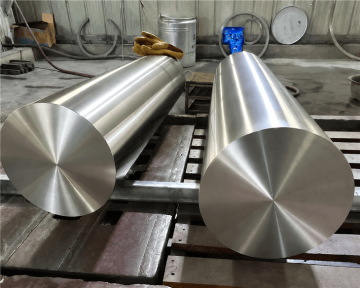
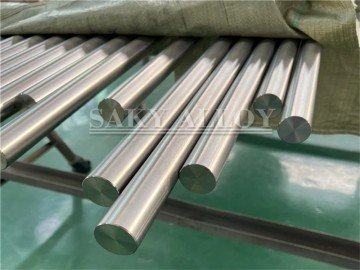
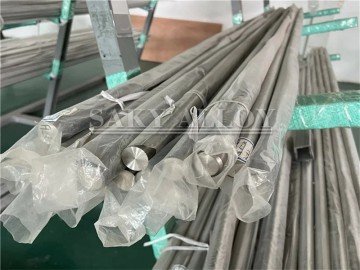
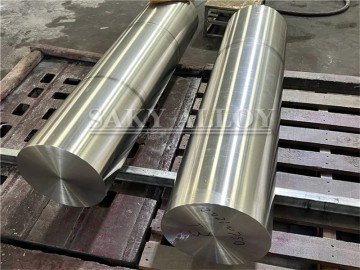
Mechanical Properties and Strength of Titanium Grade 11 Bars
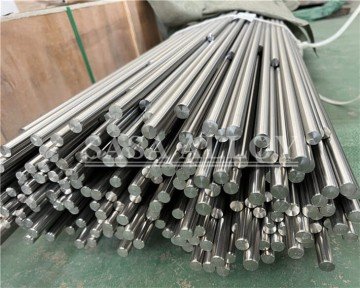
Titanium has long been celebrated for its combination of high strength, corrosion resistance, and lightweight characteristics. Among the commercially pure titanium alloys, Titanium Grade 11 bars are widely used in industries where mechanical performance and durability are critical. These bars offer a unique balance of strength, ductility, and corrosion resistance, making them suitable for chemical, marine, pharmaceutical, and medical applications. This article explores the mechanical properties and strength of Titanium Grade 11 bars, their advantages, applications, and the importance of sourcing from trusted suppliers like sakyalloy.
Overview of Titanium Grade 11
Titanium Grade 11 is a commercially pure titanium alloy, falling under ASTM B348 specifications. It contains very low levels of interstitial elements, such as oxygen, nitrogen, and iron, which enhances both corrosion resistance and mechanical performance. Key characteristics of Grade 11 titanium include:
-
Excellent resistance to corrosion in oxidizing and reducing environments
-
High strength-to-weight ratio
-
Good ductility and flexibility for fabrication
-
Biocompatibility suitable for medical and food-grade applications
This alloy is specifically designed to withstand harsh environments while maintaining structural integrity, making it a preferred choice for critical industrial applications.
Key Mechanical Properties
The mechanical properties of Titanium Grade 11 bars ensure their reliability and durability across a range of demanding applications. These include:
-
Tensile Strength: 240–345 MPa, providing resistance to mechanical stress and deformation
-
Yield Strength: 170–275 MPa, ensuring stability under operational loads
-
Elongation: 20–30%, allowing flexibility and reduced risk of cracking
-
Hardness: 150–180 HB, contributing to wear resistance
-
Density: 4.51 g/cm³, offering a lightweight yet strong solution for industrial components
These properties ensure that Titanium Grade 11 bars maintain performance under both environmental and mechanical stress.
Advantages of Titanium Grade 11 Bars
1. High Strength-to-Weight Ratio
The combination of high strength and low density allows for easier handling, reduced structural load, and efficient system designs. This is especially important in marine, aerospace, and offshore applications where weight reduction is crucial without compromising strength.
2. Exceptional Corrosion Resistance
Titanium Grade 11 bars resist corrosion in a variety of environments, including seawater, oxidizing acids, and alkaline solutions. The naturally forming protective oxide layer ensures long-term durability, reducing maintenance needs and operational costs.
3. Biocompatibility
Grade 11 titanium is non-toxic and biocompatible, making it suitable for medical implants, surgical instruments, and pharmaceutical equipment. Its mechanical strength allows for precision components that maintain integrity in biological environments.
4. Fabrication Flexibility
The alloy’s excellent ductility enables easy machining, forming, and welding. Complex shapes and custom components can be fabricated without compromising material performance, offering design flexibility for industrial engineers.
5. Thermal and Oxidation Resistance
While primarily valued for its corrosion resistance, Titanium Grade 11 also maintains strength under moderately elevated temperatures, making it suitable for chemical processing equipment, heat exchangers, and marine components exposed to thermal stress.
6. Long-Term Durability
The combination of high strength, ductility, and corrosion resistance ensures extended service life in demanding environments. Components made from Grade 11 titanium bars require less maintenance and replacement, improving overall system efficiency.
7. Trusted Supplier Assurance
Sourcing from certified suppliers such as sakyalloy guarantees consistent material quality, adherence to ASTM standards, and reliable performance in critical applications.
Applications of Titanium Grade 11 Bars
Chemical and Petrochemical Industry
-
Piping systems exposed to aggressive chemicals
-
Tanks, reactors, and heat exchangers
-
Valves, fittings, and pumps requiring long-term corrosion resistance
Marine and Offshore Applications
-
Structural components exposed to seawater
-
Offshore platform piping and fasteners
-
Equipment requiring long-term durability in saltwater environments
Pharmaceutical and Food Processing
-
Sterile processing pipelines and tanks
-
Equipment handling acidic or alkaline solutions
-
Components meeting strict hygiene and safety standards
Medical Applications
-
Surgical instruments and implants
-
Lightweight, durable frameworks for medical devices
-
Components requiring biocompatibility and strength
Comparison with Other Titanium Grades
Compared to Titanium Grade 2, Grade 11 offers similar corrosion resistance but can be tailored for higher purity and better mechanical stability. Compared to Grade 5 (Ti-6Al-4V):
-
Grade 5 provides higher ultimate strength but is less corrosion-resistant in certain chemical environments
-
Grade 11 is more cost-effective for applications prioritizing corrosion resistance and ductility
-
Grade 11’s lightweight properties make it ideal for marine and offshore applications where weight reduction is critical
Factors to Consider When Selecting Titanium Grade 11 Bars
To maximize performance, consider the following:
-
Operating Environment: Ensure suitability for exposure to acids, salts, and oxidizing agents
-
Mechanical Requirements: Confirm tensile and yield strengths meet application demands
-
Fabrication Needs: Check compatibility with machining, forming, and welding processes
-
Supplier Reliability: Choose certified suppliers like sakyalloy to ensure consistent quality
Proper material selection ensures operational safety, durability, and long-term cost efficiency.
Future Trends
The demand for Titanium Grade 11 bars is expected to grow due to:
-
Expansion of chemical, marine, pharmaceutical, and medical industries
-
Increasing need for corrosion-resistant and lightweight materials
-
Advances in titanium alloy production and fabrication technology
-
Emphasis on sustainability, long-term reliability, and reduced maintenance costs
Suppliers like sakyalloy continue to provide high-quality Grade 11 titanium bars that meet evolving industrial requirements.
Conclusion
Titanium Grade 11 bars provide an ideal combination of mechanical strength, corrosion resistance, ductility, and biocompatibility. Their unique properties make them suitable for chemical, marine, pharmaceutical, and medical applications where reliability and durability are essential.
By sourcing Titanium Grade 11 bars from trusted suppliers such as sakyalloy, companies can ensure consistent quality, adherence to international standards, and long-term operational efficiency. Understanding the mechanical properties and strength of Grade 11 titanium bars enables engineers and project managers to make informed decisions, ensuring safe, durable, and cost-effective solutions across demanding industrial applications.