
Pressure Testing Titanium Pipe Systems
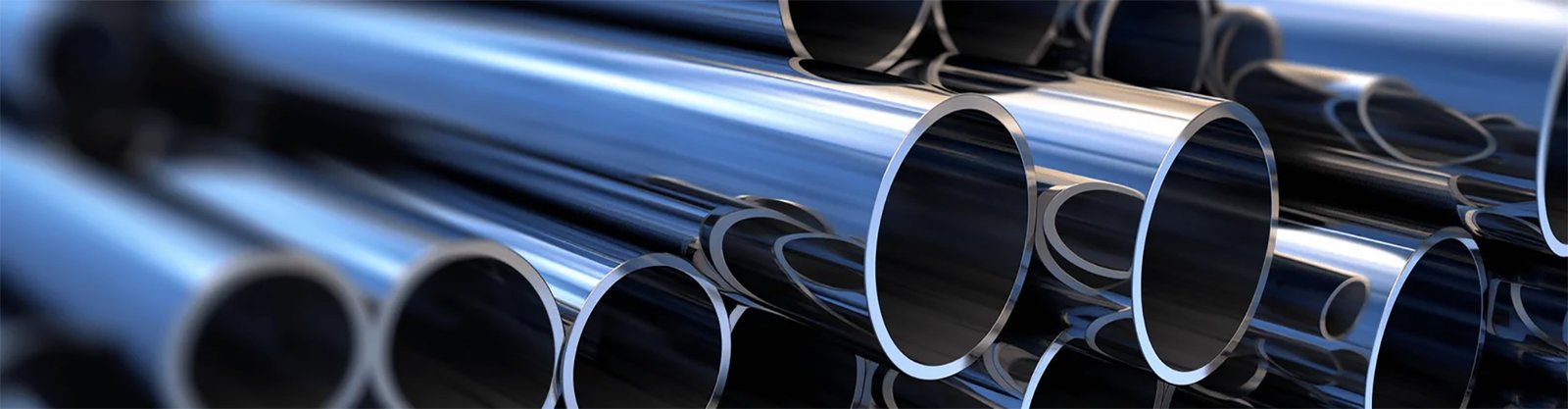
Titanium pipe systems are trusted in some of the most demanding industries, including aerospace, marine engineering, chemical processing, and power generation. Known for their excellent strength-to-weight ratio, corrosion resistance, and durability, titanium pipes play a vital role in ensuring system integrity where failure is not an option. However, even with these superior qualities, it is essential to validate the safety and reliability of these systems through pressure testing titanium pipe systems.
This article explores the importance of pressure testing, the methods used, best practices to follow, and how reliable suppliers like sakyalloy contribute to safe and successful pressure testing of titanium piping systems.
Why Pressure Testing Titanium Pipe Systems Is Essential
Pressure testing verifies that a titanium pipe system can withstand its designed operating pressures without leaks, deformation, or failure. Key reasons for performing pressure testing include:
-
Ensuring safety by identifying weak points before the system enters service.
-
Verifying compliance with industry standards, codes, and client specifications.
-
Preventing costly failures that could lead to environmental damage, downtime, or injury.
-
Documenting system integrity for regulatory and quality assurance purposes.
In critical applications where titanium pipes are used, pressure testing is a non-negotiable part of commissioning and maintenance procedures.
Types of Pressure Testing for Titanium Pipe Systems
Hydrostatic Testing
Hydrostatic testing is the most commonly used method:
-
The pipe system is filled with water, sometimes containing corrosion inhibitors.
-
Pressure is gradually increased to a predetermined test level, typically 1.5 times the design pressure.
-
The system is held at this pressure for a specified duration, while technicians check for leaks, deformation, or pressure loss.
Hydrostatic testing is valued because water, being incompressible, reduces the stored energy in the system and makes the test inherently safer than pneumatic methods.
Pneumatic Testing
Pneumatic testing uses compressed gas, often air or inert gases like nitrogen or helium:
-
The system is filled with gas and slowly brought up to test pressure, usually with intermediate holds to check for leaks.
-
Technicians monitor for pressure drops and may use leak detection techniques like soap solutions or electronic sensors.
Pneumatic testing is typically reserved for situations where water introduction is not desirable, such as in systems sensitive to moisture or difficult to dry.
Combined Testing with Leak Detection
For ultra-critical systems, pressure testing may be combined with advanced leak detection methods, such as helium mass spectrometry, to locate even the smallest leaks that conventional tests might miss.
Best Practices for Pressure Testing Titanium Pipe Systems
Follow Relevant Standards
Always perform pressure testing in accordance with recognized codes and standards, such as:
-
ASME B31.3 for process piping
-
ASME Section VIII for pressure vessels
-
ASTM specifications for titanium pipe materials
-
Customer or project-specific requirements
Use High-Quality Materials
Pressure testing is only as reliable as the material being tested. Sourcing titanium pipe from trusted suppliers like sakyalloy ensures:
-
Certified chemical composition and mechanical properties
-
Full traceability and mill test certification
-
Consistency with international standards
Conduct Pre-Test Inspections
Before applying pressure:
-
Visually inspect the entire system for proper assembly, clean welds, and the absence of visible damage.
-
Verify that all supports, brackets, and restraints are securely in place.
-
Isolate or protect any sensitive equipment attached to the system.
Apply Pressure Gradually
-
Increase pressure slowly in increments, typically holding at 25%, 50%, 75%, and 100% of test pressure to check for early signs of failure.
-
Maintain the final test pressure for the duration specified by applicable codes or project requirements.
Ensure Safety Measures
Especially in pneumatic testing:
-
Establish an exclusion zone around the system being tested.
-
Equip the system with relief devices to prevent over-pressurization.
-
Use calibrated gauges to monitor pressure accurately.
Document Test Results
Keep detailed records of:
-
Test pressure levels and duration
-
Any leaks, pressure drops, or visible defects observed
-
Corrective actions taken
-
Final acceptance of the system
Documentation is vital for quality control and regulatory compliance.
Challenges in Pressure Testing Titanium Pipe Systems
Pressure testing titanium systems comes with unique challenges:
-
Sensitivity to contamination: Ensure that water used in hydrotesting is clean and free of contaminants that could affect titanium’s protective oxide layer.
-
Drying requirements: After hydrotesting, thoroughly dry the system to prevent moisture-related issues, especially before oxygen service.
-
Stored energy risk: Pneumatic testing stores large amounts of energy in the compressed gas, requiring rigorous safety protocols.
By understanding and addressing these challenges, operators can conduct pressure testing safely and effectively.
Role of a Trusted Supplier
Partnering with a reliable supplier like sakyalloy supports successful pressure testing and system performance:
-
Provides titanium pipe with consistent quality, certified properties, and traceability.
-
Offers technical advice on material handling, welding, and testing requirements.
-
Helps ensure that all materials meet project specifications and industry standards.
Using quality materials reduces the risk of failure during pressure testing and contributes to long-term system reliability.
Maintenance and Retesting
Pressure testing isn’t only for new systems. It also plays a role in ongoing maintenance:
-
Periodic retesting ensures that systems remain safe under changing conditions or after repairs.
-
Systems subjected to vibration, temperature cycling, or harsh service environments may require more frequent testing.
-
Retesting after modifications or replacements verifies that changes have not compromised integrity.
Incorporating pressure testing into routine maintenance helps extend the lifespan of titanium piping systems and protects valuable assets.
Conclusion
Pressure testing titanium pipe systems is a critical process for ensuring safety, compliance, and long-term reliability. By using proper testing methods, following best practices, and sourcing high-quality materials from suppliers like sakyalloy, operators can confirm that their titanium piping systems are ready to perform under demanding conditions.
Whether for commissioning a new installation or verifying the integrity of an existing system, pressure testing is a necessary step that helps prevent failures, protect the environment, and safeguard personnel in industries where precision and safety are paramount.