
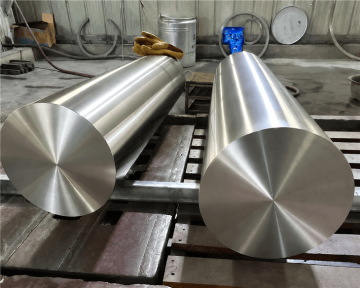
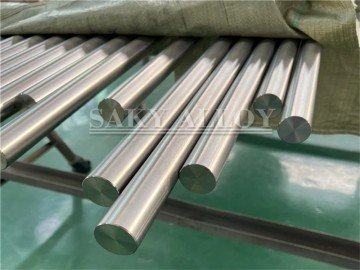
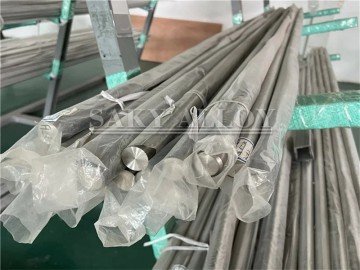
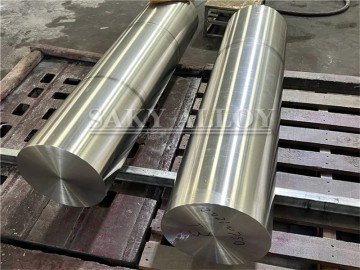
Selecting the Right Titanium Alloy Bar for Marine and Chemical Applications
In modern engineering and industrial applications, selecting the right material is crucial for system performance, durability, and long-term cost efficiency. Marine and chemical industries, in particular, demand materials that can withstand highly corrosive environments, including seawater, chlorides, and aggressive acids. Titanium alloy bars have emerged as one of the most reliable solutions for such applications due to their exceptional corrosion resistance, strength-to-weight ratio, and versatility. Among the available options, choosing the correct titanium grade can dramatically impact operational efficiency and equipment longevity.
This article explores how engineers and procurement specialists can select the ideal titanium alloy bar for marine and chemical applications. We discuss material properties, corrosion behavior, mechanical characteristics, fabrication considerations, cost efficiency, and industry-specific applications. Leading suppliers such as sakyalloy provide high-quality titanium alloy bars with certifications that ensure reliability for critical systems.
1. Introduction to Titanium Alloy Bars
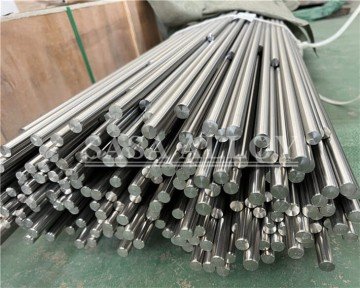
Titanium alloy bars are widely recognized for their excellent combination of mechanical strength, low density, and unmatched corrosion resistance. They are commonly used in marine structures, chemical processing equipment, heat exchangers, desalination plants, offshore platforms, and more.
Key benefits include:
-
Exceptional resistance to chlorides and acids
-
Lightweight yet strong material
-
Excellent fatigue and creep resistance
-
Versatile fabrication options including welding, machining, and forming
-
Long service life with minimal maintenance
Choosing the right titanium alloy grade is crucial because performance can vary depending on the chemical environment, temperature, and mechanical stress.
2. Understanding Marine and Chemical Environment Challenges
2.1 Marine Applications
Marine environments are extremely corrosive due to:
-
High chloride content in seawater
-
Fluctuating temperature and oxygen levels
-
Biological fouling and electrochemical reactions
-
Dynamic loads and wave-induced stresses
Materials used in marine structures, piping, and desalination equipment must resist pitting, crevice corrosion, and stress corrosion cracking.
2.2 Chemical Applications
Chemical processing environments pose challenges such as:
-
Exposure to strong acids and alkalis
-
High temperatures and pressure
-
Aggressive reducing and oxidizing agents
-
Frequent cleaning and sterilization processes
Materials must offer both corrosion resistance and mechanical strength to ensure safety and long-term reliability.
3. Key Titanium Alloy Grades for Marine and Chemical Applications
3.1 Titanium Grade 2
-
Commercially pure titanium
-
Excellent corrosion resistance in seawater and mild chemical environments
-
High ductility and ease of fabrication
-
Ideal for piping, tanks, and heat exchangers in non-aggressive media
3.2 Titanium Grade 7
-
Palladium-enhanced titanium for superior corrosion resistance
-
Excellent resistance to reducing acids, chlorides, and oxidizing chemicals
-
Widely used in chemical processing, offshore applications, and marine desalination systems
3.3 Titanium Grade 11
-
Palladium-modified alloy designed for moderate to aggressive corrosive environments
-
Resistant to sulfuric, hydrochloric, and phosphoric acids
-
Excellent formability and weldability for complex assemblies
Selecting the appropriate grade depends on chemical composition, temperature, pressure, and the aggressiveness of the environment.
4. Corrosion Resistance Considerations
Titanium alloys derive corrosion resistance from the natural formation of a stable oxide layer. Adding palladium further improves performance in reducing acids and chloride-rich environments. Corrosion resistance considerations include:
-
Pitting and Crevice Corrosion: Titanium alloys resist localized corrosion in high-chloride conditions, outperforming stainless steel.
-
Stress Corrosion Cracking: Grades like Titanium 7 and 11 minimize the risk of cracking under tensile stress and chemical exposure.
-
Acid and Alkali Resistance: Titanium alloys, particularly palladium-modified grades, resist both reducing and oxidizing acids commonly used in chemical processing.
-
Seawater Performance: Titanium alloys maintain long-term stability in marine applications, preventing material degradation even under turbulent conditions.
By assessing the specific chemical and marine environment, engineers can choose the titanium grade that offers the best corrosion protection and service life.
5. Mechanical Properties and Strength
Titanium alloy bars offer excellent mechanical performance, essential for structural components and piping systems:
| Property | Titanium Grade 2 | Titanium Grade 7 | Titanium Grade 11 |
|---|---|---|---|
| Tensile Strength | ~345 MPa | ~480 MPa | ~340 MPa |
| Yield Strength | ~275 MPa | ~380 MPa | ~275 MPa |
| Elongation | 20–25% | 18–22% | 20–25% |
| Density | 4.51 g/cm³ | 4.51 g/cm³ | 4.51 g/cm³ |
| Fatigue Resistance | High | Very High | High |
Titanium’s low density compared to nickel or stainless steel allows engineers to design lightweight structures without compromising strength. Grades 7 and 11 are preferred for higher-strength and more aggressive environments.
6. Fabrication and Machining Considerations
Titanium alloys are highly versatile for fabrication but require careful handling:
-
Formability: Grade 2 and 11 are highly ductile, making them suitable for bending, rolling, and shaping.
-
Weldability: Titanium grades maintain corrosion resistance after welding, especially with proper shielding from atmospheric contamination.
-
Machining: Titanium requires sharp tools and controlled cutting speeds to prevent overheating.
-
Surface Finish: Smooth surface finishes enhance corrosion resistance by minimizing sites for pitting.
Selecting the right alloy grade based on fabrication needs reduces production time and costs while ensuring long-term performance.
7. Cost and Lifecycle Considerations
While titanium alloys may have higher upfront material costs than stainless steel, they often provide superior lifecycle value:
-
Reduced maintenance and repair costs
-
Longer service life in aggressive environments
-
Fewer replacements and downtime
-
Lower weight reduces structural support requirements
Grades 7 and 11 are slightly more expensive due to palladium content but provide exceptional corrosion resistance, minimizing total lifecycle costs. Suppliers such as sakyalloy offer certified titanium bars with traceable quality assurance, ensuring investment security and reliable performance.
8. Industry-Specific Applications
8.1 Marine Applications
-
Seawater piping and fittings
-
Desalination plant components
-
Offshore platform structures
-
Heat exchangers in marine cooling systems
8.2 Chemical Processing Applications
-
Acid tanks and piping systems
-
Chemical reactors and heat exchangers
-
Chlorine and sulfuric acid handling equipment
-
Pharmaceutical and food processing systems
By choosing the right titanium grade, engineers ensure reliability, safety, and cost-effective performance in challenging conditions.
9. Comparison with Alternative Materials
Titanium alloys are often compared with stainless steel and nickel alloys in marine and chemical environments:
-
Stainless Steel: Good corrosion resistance in mild conditions but susceptible to pitting and crevice corrosion in chlorides or acids.
-
Nickel Alloys: Excellent corrosion resistance and high-temperature strength but heavier and more expensive, often requiring specialized fabrication.
-
Titanium Alloys: Combine lightweight, excellent corrosion resistance, long service life, and easier fabrication, making them highly suitable for both marine and chemical systems.
Titanium often offers the best combination of corrosion resistance, mechanical performance, and lifecycle value.
10. Standards and Certification
High-quality titanium bars for industrial use must comply with international standards such as ASTM and ISO. Certified suppliers provide:
-
Material composition verification
-
Mechanical property testing
-
Traceable production and quality assurance records
-
Compliance with marine and chemical industry specifications
Working with certified suppliers ensures that titanium bars meet operational and regulatory requirements, reducing risks in critical applications.
11. Key Factors for Selecting the Right Titanium Alloy Bar
When selecting the appropriate titanium alloy, consider:
-
Corrosive Environment: Assess the types of chemicals, chlorides, and acids present.
-
Mechanical Load: Determine tensile, yield, and fatigue requirements.
-
Temperature Conditions: Evaluate operating and ambient temperatures.
-
Fabrication Needs: Consider bending, welding, machining, and assembly requirements.
-
Lifecycle Cost: Include material cost, maintenance, and expected service life.
-
Industry Standards: Ensure compliance with ASTM, ISO, and other applicable regulations.
By carefully evaluating these factors, engineers can select the titanium grade that provides optimal performance and cost efficiency.
12. Conclusion
Titanium alloy bars have become a preferred choice for marine and chemical applications due to their unique combination of corrosion resistance, strength, and lightweight properties. Selecting the right grade—whether Titanium Grade 2, Grade 7, or Grade 11—depends on the aggressiveness of the environment, temperature, mechanical requirements, and fabrication considerations.
-
Grade 2: Suitable for mild corrosive media and lightweight structural components.
-
Grade 7: Ideal for highly aggressive reducing and oxidizing acids, offshore platforms, and marine desalination systems.
-
Grade 11: Provides excellent corrosion resistance in moderate to aggressive conditions with superior formability.
By partnering with certified suppliers like sakyalloy, industries can ensure the supply of high-quality titanium alloy bars that meet international standards, offering long-term reliability and operational efficiency. Choosing the right titanium alloy bar reduces maintenance, extends service life, and supports sustainable industrial operations in both marine and chemical environments.
Titanium alloy bars remain a strategic investment for engineers and procurement teams, providing the perfect balance of performance, cost-effectiveness, and durability for demanding industrial systems.