
Smart Coatings for Titanium Pipe: Self‑healing Surfaces
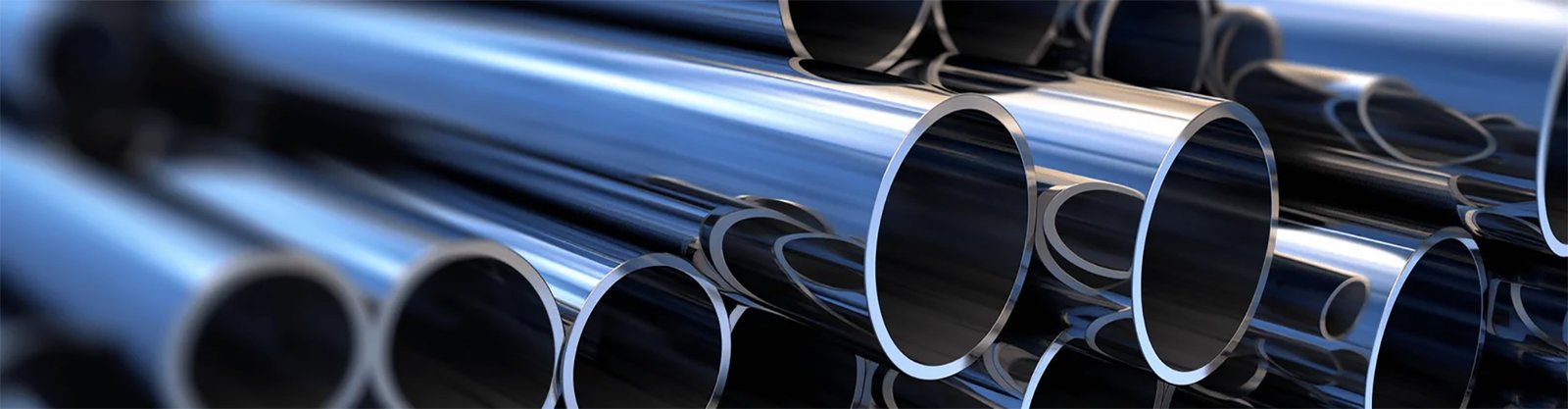
Titanium pipe has long been the go-to choice for industries demanding corrosion resistance, high strength-to-weight ratio, and excellent durability. But as the demands of energy, aerospace, medical, and marine industries grow more complex, even titanium’s performance has its limits—especially under aggressive conditions such as high salinity, chemical exposure, or mechanical abrasion.
To address these challenges, researchers and engineers have begun developing smart coatings that offer self-healing capabilities. These coatings, when applied to titanium pipes, promise to extend service life, reduce maintenance, and prevent system failures even before they start. This article explores how self-healing coatings work, why they matter, and how companies like sakyalloy are contributing to next-generation material protection technologies.
What Are Smart Coatings?
Smart coatings are advanced surface treatments that actively respond to environmental stimuli. Unlike traditional coatings that simply serve as barriers, smart coatings can:
-
Detect and repair micro-cracks
-
Release corrosion inhibitors when damage occurs
-
Adjust permeability in response to moisture or pH changes
-
Resist fouling or bacterial buildup in medical or marine applications
Self-healing coatings are a specific type of smart coating that automatically repair microscopic damage without the need for manual intervention. For titanium pipe, this capability can be revolutionary.
Why Titanium Pipe Needs Smart Coatings
While titanium pipe is incredibly resistant to corrosion and heat, it is not immune to all forms of damage. In harsh operating environments, the following risks still apply:
-
Surface abrasion from suspended solids in pipelines
-
Chemical pitting from aggressive industrial fluids
-
Stress cracking under extreme temperature and pressure cycling
-
Biofouling in marine or medical systems
If left untreated, small surface damage can lead to performance loss or even failure over time. Smart coatings enhance titanium’s natural strengths by adding an intelligent layer of protection that evolves with the environment.
How Do Self‑healing Coatings Work?
There are several mechanisms by which self-healing coatings protect titanium pipe:
1. Microcapsule-based Systems
Microscopic capsules embedded in the coating burst open when cracks form, releasing healing agents such as resins, polymers, or corrosion inhibitors. These substances fill the crack and harden, restoring the coating’s integrity.
2. Reversible Chemical Bonds
Some coatings are based on dynamic covalent chemistry, which allows them to reform molecular bonds when damage occurs. These systems “zip” themselves back together at room temperature or when triggered by heat or light.
3. Shape-memory Polymers
Advanced polymers in the coating can return to their original shape when triggered, closing microcracks or scratches before they propagate.
4. pH-Responsive Systems
In chemically aggressive environments, pH-sensitive components can react to acidity by releasing inhibitors that neutralize corrosive effects right at the damaged site.
Applications of Smart Coated Titanium Pipe
Aerospace and Aviation
Aircraft fuel systems, hydraulic lines, and heat exchangers benefit from titanium pipe with smart coatings that can handle high vibration, pressure cycling, and temperature extremes. Self-healing features reduce downtime and extend flight readiness.
Offshore Oil and Gas
Titanium pipe used in subsea risers, flowlines, and chemical injection systems is exposed to saltwater, sulfides, and high pressure. Smart coatings enhance corrosion resistance and seal hairline fractures that might otherwise lead to leaks.
Chemical Processing
In chemical reactors and acid transport pipelines, smart coatings protect titanium pipe from pitting and crevice corrosion. Self-healing systems help maintain operational safety and reduce shutdowns for inspection.
Biomedical Systems
Implanted or surgical titanium tubing benefits from bioactive smart coatings that resist bacterial adhesion or support bone growth, while repairing damage from body fluids or mechanical stress.
Advantages of Self-healing Titanium Pipe Coatings
-
Extended service life: Prevent early failure from minor scratches or surface fatigue.
-
Reduced maintenance: Lower the need for frequent inspections and repairs.
-
Enhanced safety: Stop leaks and corrosion before they spread, especially in high-risk environments.
-
Lower lifecycle costs: Though initial coating costs may be higher, the long-term ROI is significant.
-
Environmentally friendly: Less material replacement and fewer coating touch-ups reduce environmental waste.
With these benefits, titanium pipe becomes an even more compelling solution when paired with next-gen surface technologies.
Materials and Methods: What Coatings Are Used?
Self-healing coatings for titanium pipe can involve:
-
Epoxy or polyurethane bases modified with nanocapsules or microcapsules
-
Ceramic hybrid coatings that incorporate healing agents into silica or alumina matrices
-
Conductive coatings that self-repair under electrical stimuli
-
Sol-gel coatings infused with healing ions or corrosion inhibitors
Many of these formulations are still under active research and optimization. However, the most advanced solutions have already reached pilot-scale deployment in aerospace and chemical sectors.
sakyalloy’s Role in Supporting Smart Coated Titanium Solutions
As a supplier of precision titanium pipe for high-tech applications, sakyalloy is committed to supporting innovations that enhance performance and reliability. The company:
-
Provides titanium pipe in grades such as Gr2, Gr5, and Gr12 suitable for coating applications
-
Works with coating developers to ensure pipe surface preparation meets adhesion and durability requirements
-
Supplies clients in aerospace, energy, and medical sectors with coated or pre-treated titanium pipe ready for advanced environments
By aligning with research partners and coating innovators, sakyalloy helps customers integrate smart coatings into real-world industrial systems.
Challenges and Future Outlook
Smart coatings for titanium pipe are still evolving, and widespread adoption depends on overcoming several challenges:
-
Cost and scalability: Self-healing coatings can be expensive and complex to manufacture.
-
Standardization: More industry standards are needed for testing durability, repair cycles, and long-term reliability.
-
Compatibility: Not all smart coatings adhere well to titanium without advanced surface preparation or primers.
-
Environmental limitations: Some self-healing mechanisms only work under specific conditions (e.g. temperature, humidity).
Despite these hurdles, investment in smart materials is growing rapidly. With greater demand for system resilience, automated maintenance, and life extension, self-healing titanium pipe may soon become standard in high-performance systems.
Conclusion
Smart coatings represent the next evolution in material protection, and when applied to titanium pipe, they unlock new levels of resilience, safety, and cost-effectiveness. Self-healing surfaces, in particular, are a powerful response to the ongoing challenges faced in aerospace, marine, chemical, and medical systems.
Titanium pipe, already a premium choice for demanding environments, becomes even more valuable when paired with intelligent coatings that repair themselves and adapt to damage. With continued research, industry collaboration, and supplier support from companies like sakyalloy, the future of smart-coated titanium pipe is both promising and impactful.