
Sustainable Engineering Solutions Using Titanium Grade 11
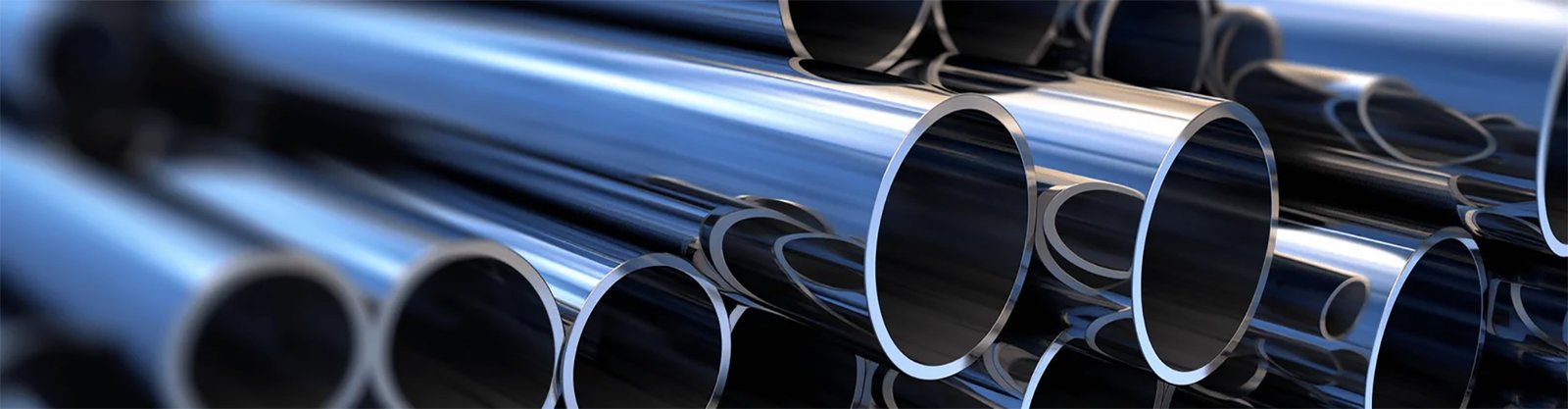
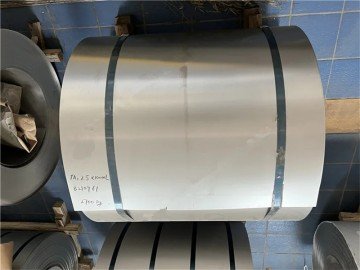
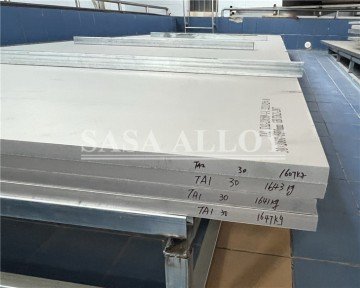
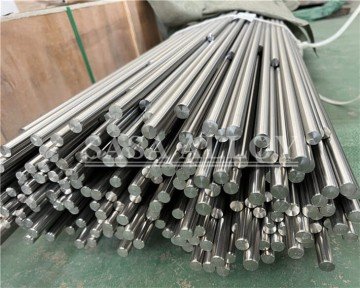
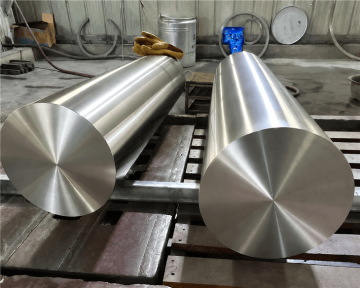
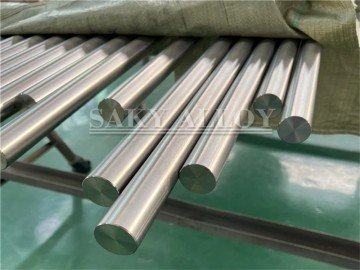
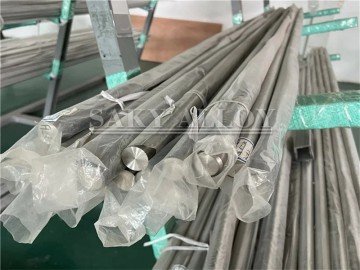
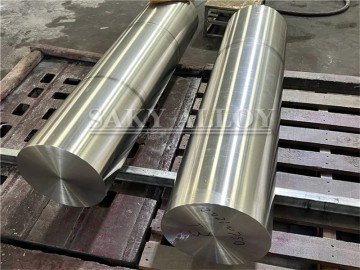
Titanium Grade 11, a corrosion-resistant, high-strength titanium alloy with enhanced weldability, is rapidly becoming one of the most preferred materials for sustainable engineering projects worldwide. As industries push toward greener, longer-lasting, and more efficient solutions, Titanium Grade 11 is emerging as a key enabler of environmentally responsible innovation. From marine structures to chemical processing plants and renewable energy platforms, the alloy offers a combination of durability, safety, and sustainability that conventional metals struggle to match.
This report explores the global rise of Titanium Grade 11 in sustainable engineering, the forces driving this shift, and why suppliers such as sakyalloy are at the forefront of delivering high-quality, environmentally responsible titanium products.
Growing Emphasis on Sustainable Materials in Engineering
Regulatory Pressure and Industry Transformation
Many countries are tightening standards on carbon emissions, energy efficiency, and material durability. In response, companies are reevaluating traditional materials like carbon steel, aluminum, and standard stainless steels, which often require frequent maintenance, carry higher lifecycle costs, and produce greater environmental impact over long-term use.
Titanium Grade 11 aligns perfectly with modern sustainability goals. Its ability to withstand aggressive chemicals, seawater, and wet chloride environments significantly reduces maintenance cycles and waste generation, making it a preferred material in industries focused on long-term performance.
Lifecycle Sustainability
Unlike common metals that degrade quickly in harsh conditions, Titanium Grade 11 maintains its integrity even under extreme corrosion exposure. This dramatically extends product lifespan, reducing the need for replacement, lowering raw material consumption, and minimizing overall carbon footprint across its use cycle.
What Makes Titanium Grade 11 a Sustainable Choice
Excellent Corrosion Resistance Reduces Waste
Titanium Grade 11 contains a small amount of palladium, which enhances its resistance to reducing acids, crevices, and pitting environments. It performs exceptionally in environments where stainless steel fails prematurely. This longer lifespan means fewer replacements and less industrial waste, aligning with modern sustainability trends.
Lightweight Structure Improves Energy Efficiency
Titanium Grade 11 offers high strength at a significantly lower weight than steel alloys. Engineers using Titanium Grade 11 in offshore, aerospace, or structural applications benefit from reduced structural loads, lower fuel consumption in transport systems, and improved mechanical efficiency.
Outstanding Weldability and Fabrication Efficiency
The alloy’s improved weldability decreases fabrication energy requirements and reduces structural failure risks, further enhancing sustainability by lowering reprocessing needs and maintenance frequency.
Resistant to Biofouling
In marine and offshore applications, Titanium Grade 11 resists biological growth, minimizing the need for chemical cleaning agents. This indirectly contributes to safer ecosystems and reduced environmental harm.
Key Industrial Applications Promoting Sustainability
1. Marine and Offshore Engineering
Titanium Grade 11 is widely used in seawater piping, desalination systems, and offshore structural components where long-term corrosion resistance is essential. Unlike steel systems requiring coatings or cathodic protection, Titanium Grade 11 remains stable without toxic coatings, supporting greener marine operations.
2. Chemical and Petrochemical Processing
The chemical industry is shifting toward more environmentally responsible materials. Titanium Grade 11 withstands sulfuric acid, chlorine dioxide, and acidic brines, making it ideal for environmentally hazardous environments. Its long lifespan directly reduces plant downtime and the environmental footprint associated with frequent material replacement.
3. Renewable Energy
Wind, tidal, and hydrogen energy systems increasingly incorporate titanium to enhance reliability. Titanium Grade 11’s corrosion resistance and structural efficiency support the growing demand for durable, eco-friendly infrastructure in renewable energy sectors.
4. Architectural and Civil Engineering
Advanced engineers are using titanium alloys for façade systems, structural connectors, and high-end infrastructure. Titanium Grade 11 offers sustainability benefits through minimal maintenance, long service life, and improved environmental compatibility.
5. Water Treatment and Desalination
Titanium Grade 11 components resist chloride-induced stress corrosion cracking, making them ideal for sustainable water management systems. Their longevity means fewer replacements and reduced operating costs for large-scale water treatment facilities.
Why Industries Are Transitioning from Stainless Steels and Nickel Alloys
Titanium vs Stainless Steels
304 and 316 stainless steels are widely used but degrade quickly in chloride-rich or low-pH environments. Titanium Grade 11 outperforms both by offering:
-
Virtually zero corrosion rate in seawater
-
Better strength-to-weight ratio
-
No need for coatings or corrosion inhibitors
-
Lower long-term environmental and economic cost
Titanium vs Nickel Alloys
High-nickel alloys offer excellent corrosion resistance but carry heavier environmental and cost burdens due to high nickel content. Titanium Grade 11 provides equivalent or better corrosion protection while being lighter and easier to fabricate.
How Titanium Grade 11 Supports Global Sustainability Goals
Reduced Environmental Impact
Titanium production has become more energy-efficient in recent years. When combined with the long lifespan of Titanium Grade 11 components, the alloy presents a significantly lower environmental burden than steel or nickel alloy counterparts.
Lower Carbon Emissions
Lightweight metals reduce emissions in transportation, handling, and structural applications, making Titanium Grade 11 an important contributor to decarbonization strategies.
Supporting Circular Economy
Titanium is highly recyclable, and Titanium Grade 11 maintains material integrity even after recycling processes. Its recyclability helps industries reduce waste and adhere to circular manufacturing models.
Role of Professional Suppliers in Promoting Sustainable Titanium Usage
Reliable supply chains are essential as demand for Titanium Grade 11 continues to grow across global engineering sectors. Manufacturers such as sakyalloy are playing a vital role by ensuring consistent quality, traceability, and material certification. Their commitment to supplying high-purity, sustainably sourced titanium products helps industries adopt greener engineering solutions without compromising performance.
Whether for marine, chemical, aerospace, or renewable energy projects, partnering with trusted suppliers like sakyalloy ensures that sustainable engineering goals can be achieved with dependable, long-lasting titanium materials.
Conclusion
Sustainable engineering is no longer a trend; it is a global mandate. Titanium Grade 11 stands out as a material that supports long-term environmental responsibility while delivering exceptional performance in the world’s most demanding applications. Its corrosion resistance, lightweight structure, recyclability, and lifespan contribute directly to greener, safer, and more efficient industrial systems.
As industries transition to low-carbon manufacturing and more sustainable infrastructure, Titanium Grade 11 will continue gaining momentum. Companies adopting this advanced alloy today position themselves at the forefront of sustainable engineering innovation, meeting global environmental goals while benefiting from superior material performance.