
TC11 Titanium Rod: Chinese Titanium Alloy Grade Explained
TC11 Titanium Rod: Chinese Titanium Alloy Grade Explained
Introduction
TC11 Titanium Rod is a Chinese near-alpha titanium alloy rod used where buyers need higher temperature capability, good creep resistance, stable strength and reliable machining performance for aerospace, compressor parts, fasteners, shafts, high-temperature structural components and precision titanium alloy parts. In simple terms, TC11 is not a pure titanium grade like TA1 or TA2; it is a strengthened titanium alloy designed for more demanding mechanical and thermal service.
Key Takeaways: TC11 is commonly described as a Ti-Al-Mo-Zr-Si titanium alloy, with a typical nominal composition close to Ti-6.5Al-3.5Mo-1.5Zr-0.3Si. It is mainly ordered as titanium rod, bar, forged bar and machined billet under Chinese standards or buyer-specific technical conditions. For international procurement, buyers should specify grade, diameter, length, condition, heat treatment, surface finish, inspection scope, EN 10204 3.1 MTC, PMI testing, UT testing and third-party inspection requirements before production.
What Is TC11 Titanium Rod?
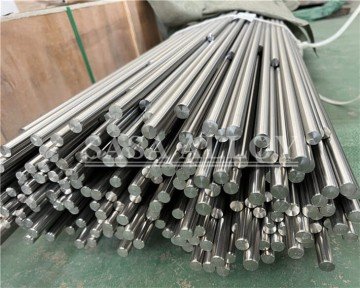
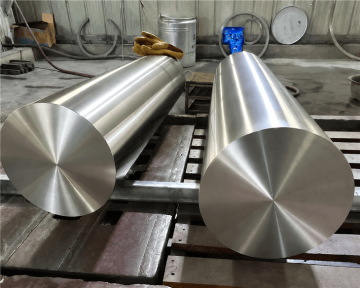
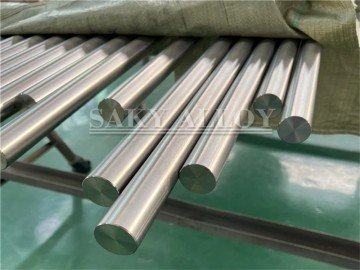
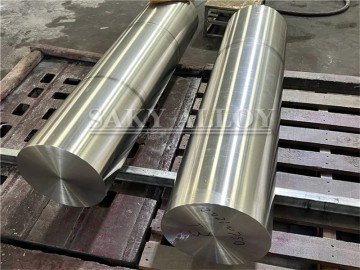
TC11 titanium rod is a Chinese titanium alloy product supplied in round bar, forged bar, hot-rolled bar, peeled bar or machined rod form. It belongs to the group of high-strength titanium alloys used in aerospace and high-performance industrial applications. The alloy is valued because it combines low density, useful elevated-temperature performance, good specific strength and better heat resistance than many general-purpose titanium alloys.
The alloying design of TC11 uses aluminum as an alpha stabilizer, molybdenum as a beta stabilizer, zirconium for solid-solution strengthening and silicon for high-temperature performance support. This chemistry gives TC11 a different application profile from Grade 2 commercially pure titanium and Grade 5 Ti-6Al-4V. Grade 2 is selected for corrosion resistance and formability; Grade 5 is widely used for general high-strength titanium parts; TC11 is selected when Chinese project specifications call for a higher-temperature titanium alloy rod.
For buyers, the most important point is that TC11 should not be purchased only by the words “titanium rod.” The RFQ should define the Chinese grade, standard, size, quantity, tolerance, delivery condition, inspection method and certificate requirement. This is especially important for aerospace, turbine, compressor, military-related, energy and precision machinery projects where material substitution can create serious quality risks.
TC11 Titanium Rod Product Data
The following product data table gives a practical procurement view for TC11 titanium rod. Actual delivery range depends on mill capacity, diameter, order quantity, heat treatment condition and inspection requirements.
| Item | Details |
|---|---|
| Product name | TC11 Titanium Rod / TC11 Titanium Bar / TC11 Forged Titanium Bar |
| Chinese grade | TC11 |
| Nominal alloy system | Ti-Al-Mo-Zr-Si titanium alloy, often described as Ti-6.5Al-3.5Mo-1.5Zr-0.3Si according to common Chinese material references. |
| Common form | Hot-rolled rod, forged bar, peeled bar, ground bar, cut-to-length billet and machined blank. |
| Typical surface | Black surface, pickled surface, peeled surface, turned surface, ground surface or customized machined finish. |
| Certificate | EN 10204 3.1 MTC, chemical composition, mechanical properties, heat number, heat treatment condition and inspection report as required. |
Chemical Composition Table
Chemical composition is the first checkpoint when verifying TC11 titanium rod. The table below shows typical composition logic for TC11. Exact acceptance ranges should be based on the ordered Chinese standard, customer drawing or mutually agreed technical specification.
| Element | Typical Content for TC11 | Function in Alloy Design |
|---|---|---|
| Titanium, Ti | Balance | Base metal providing low density, corrosion resistance and high specific strength. |
| Aluminum, Al | About 6.0–7.5% | Alpha stabilizer, improves strength and elevated-temperature performance. |
| Molybdenum, Mo | About 3.0–4.5% | Beta stabilizer, supports strength and heat-treatment response. |
| Zirconium, Zr | About 1.0–2.0% | Solid-solution strengthening and stability support in titanium alloy matrix. |
| Silicon, Si | About 0.20–0.40% | Supports creep resistance and elevated-temperature performance in typical service conditions. |
| O, N, H, Fe, C | Controlled residual elements | Affects ductility, toughness, hydrogen risk, cleanliness and final acceptance. |
Mechanical Properties
Mechanical properties of TC11 titanium rod depend on bar diameter, heat treatment, forging ratio, testing direction and ordered specification. For engineering purchasing, the main properties to check are tensile strength, yield strength, elongation, reduction of area, hardness and elevated-temperature performance. If the material is used for rotating parts, aerospace fasteners or compressor components, ultrasonic testing and microstructure evaluation may also be required.
| Property | Typical Reference Value | Buyer Note |
|---|---|---|
| Tensile strength | Typically in the high-strength titanium alloy range; final value follows ordered condition and standard. | Do not accept quotation without grade, condition and MTC mechanical data. |
| Yield strength | Controlled by heat treatment and bar size. | Important for shafts, fasteners, frames and load-bearing machined parts. |
| Elongation | Specified according to product condition and testing requirement. | A practical indicator of forming and machining reliability. |
| Hardness | Reported when required by buyer specification. | Useful for incoming inspection and machining process planning. |
| Elevated-temperature capability | Better suited than many general titanium alloys under typical high-temperature mechanical service. | Actual temperature limit must follow design code, test data and end-user approval. |
Applicable Standards and Equivalent Grades
TC11 is a Chinese titanium alloy grade, so it is most commonly ordered under Chinese titanium material standards or project-specific technical conditions. For rod and bar products, buyers often refer to Chinese standards for titanium and titanium alloy bars, and the final order should confirm the exact standard number, revision, diameter tolerance, inspection method and acceptance criteria. If the buyer is outside China, the RFQ should avoid vague equivalency claims and state whether an exact TC11 grade or only a functionally similar titanium alloy is acceptable.
| Category | Reference Information | Procurement Guidance |
|---|---|---|
| Chinese grade | TC11 | Use TC11 clearly in RFQ, PO, MTC and product marking. |
| Chinese material system | Commonly associated with Chinese titanium alloy specifications such as GB/T grade and product standards when applicable. | Confirm the exact standard version with the supplier before production. |
| Common bar/rod procurement basis | Titanium and titanium alloy bar standards, buyer drawing or technical agreement. | Define diameter, length, tolerance, condition, heat treatment and testing scope. |
| International equivalent | No simple one-to-one ASTM Grade 5 or Grade 23 equivalent should be assumed. | Use “TC11 or approved equivalent” only when engineering approval allows substitution. |
| Certificate | EN 10204 3.1 MTC, mill certificate, PMI report, UT report and third-party inspection report if required. | Match heat number on bar marking, certificate and packing list. |
Quality Testing and Material Traceability
TC11 titanium rod is often used in parts where failure cost is high. Quality control should cover chemical composition, mechanical properties, macrostructure, microstructure, ultrasonic soundness, surface quality, dimensional tolerance and traceability. For export orders, buyers should request documents before shipment rather than waiting until goods arrive at the workshop.
Recommended Inspection Items
✅ Heat Number Control: every bundle or piece should be linked to a heat number, production batch, inspection record and packing list.
✅ EN 10204 3.1 MTC: the certificate should show grade, size, condition, chemical composition, mechanical properties, heat treatment and standard compliance.
✅ PMI Testing: positive material identification helps confirm the alloy family and reduce the risk of mixed titanium grades.
✅ UT Testing: ultrasonic testing is recommended for forged bar, large diameter rod and parts used for rotating or safety-critical components.
✅ Surface Inspection: peeled, turned or ground bars should be checked for cracks, laps, pits, scratches and machining defects.
✅ Third-party Inspection: SGS, BV, TÜV or customer-appointed inspectors can verify dimensions, marking, packing and documents before shipment.
✅ Anti-fake Material Control: grade marking, heat number marking, document matching and PMI records help prevent substitution with TC4, TA2 or other lower-cost titanium materials.
Comparison With Similar Titanium Materials
TC11 titanium rod is often compared with TC4, TA2 and other titanium alloy bars. The correct selection depends on service temperature, required strength, corrosion environment, machining method and whether the design is based on a Chinese or international standard.
| Material | Material Type | Main Advantage | Selection Guidance |
|---|---|---|---|
| TC11 Titanium Rod | Chinese high-strength titanium alloy, Ti-Al-Mo-Zr-Si system. | Strength and elevated-temperature performance for demanding structural parts. | Use when project specification calls for TC11 or similar high-temperature titanium alloy performance. |
| TC4 / Ti-6Al-4V | General high-strength alpha-beta titanium alloy. | Broad availability, good strength-to-weight ratio and wide international use. | Suitable for many machined components, but not automatically interchangeable with TC11. |
| TA2 / Grade 2 Titanium | Commercially pure titanium. | Good corrosion resistance, formability and weldability. | Better for chemical equipment and corrosion service, not for high-strength TC11 applications. |
| Grade 5 Titanium Rod | International Ti-6Al-4V grade under ASTM specifications. | Common export titanium alloy for aerospace, medical, marine and industrial parts. | Use when ASTM Grade 5 is specified; do not replace TC11 without approval. |
Industrial Applications
TC11 titanium rod is mainly used in high-performance mechanical systems where low weight, high strength and thermal stability are important. The application is more specialized than pure titanium rod or common industrial titanium bar.
| Application Area | Typical Parts | Why TC11 Is Considered | Procurement Note |
|---|---|---|---|
| Aerospace and aviation | Compressor components, fasteners, shafts, structural rods and machined billets. | High specific strength and better elevated-temperature capability than general titanium grades. | Confirm end-user approval, UT level, microstructure and full traceability. |
| Gas turbine and compressor systems | High-temperature rods, rotating blanks, rings and precision machined parts. | Stable strength under typical thermal mechanical service conditions. | Ask for mechanical testing and internal soundness inspection before shipment. |
| Precision machinery | Lightweight shafts, pins, high-load rods and customized turned parts. | Reduces component weight while maintaining useful strength. | Specify peeled or ground surface if machining allowance is tight. |
| Energy and industrial equipment | Special fasteners, high-strength rods, actuator parts and engineered components. | Useful where weight, strength and temperature resistance are all considered. | Check corrosion environment; pure titanium or Grade 5 may be better in some cases. |
| Research and prototype manufacturing | Test rods, machined samples, trial parts and small-batch components. | Allows engineers to verify TC11 performance before mass production. | Small quantity may require confirmed MOQ and lead time. |
Traditional Material vs TC11 Titanium Rod
| Evaluation Area | Traditional Solution: Stainless Steel or Common Titanium Rod | Recommended Solution: TC11 Titanium Rod |
|---|---|---|
| Weight efficiency | Stainless steel provides strength but adds significant component weight. | Titanium alloy density helps reduce weight in shafts, rods and structural components. |
| High-temperature performance | General titanium grades may not match the required thermal mechanical performance. | TC11 is considered when higher-temperature strength and stability are required. |
| Machined part reliability | Wrong grade selection can cause insufficient strength or poor design margin. | Correct TC11 rod with MTC, UT and PMI improves material control for precision parts. |
| Procurement risk | Purchasing by “titanium bar” alone can lead to grade substitution. | Specifying TC11, heat number, test reports and surface condition reduces quality risk. |
How to Specify TC11 Titanium Rod for RFQ
A complete RFQ helps the supplier quote the correct material, production route and inspection cost. For TC11 titanium rod, buyers should include the following information:
• Grade: TC11 titanium alloy rod, with no substitution unless approved by engineering.
• Size: diameter, length, tolerance, cut-to-length requirement and machining allowance.
• Condition: hot-rolled, forged, annealed, solution-treated, aged, peeled, turned or ground according to project needs.
• Standard: Chinese standard, customer drawing or technical agreement.
• Testing: chemical analysis, tensile test, hardness, UT, PMI, surface inspection and microstructure if required.
• Documents: EN 10204 3.1 MTC, heat number list, inspection report, packing list, certificate of origin and third-party inspection record if needed.
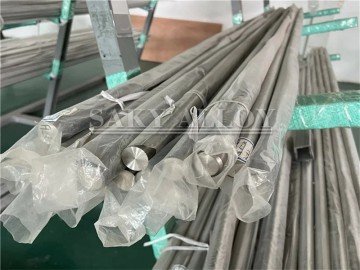
• Packing: waterproof wrapping, bundled rods, wooden case or pallet, anti-collision protection and export shipping marks.
Why Choose Saky Alloy for TC11 Titanium Rod
Saky Alloy supplies titanium alloy rod, titanium bar, titanium wire, titanium plate, titanium tube and customized titanium alloy products for industrial and export projects. For TC11 titanium rod, our supply support can include grade confirmation, size selection, cutting service, machined blank supply, surface finish selection, inspection coordination and export documentation.
We focus on the details that matter to engineering buyers: heat number traceability, EN 10204 3.1 MTC, PMI testing, UT testing for large diameter bars, dimension inspection, anti-fake material control and seaworthy export packaging. For project orders, we can help buyers confirm whether TC11, TC4, Grade 5, Grade 2 or another titanium grade is more suitable based on application, standard, strength requirement and corrosion environment.
Related product links for sourcing reference: Titanium Alloy Products, Titanium Bar & Rod, Titanium Plate & Sheet, Titanium Tube & Pipe.
FAQ: TC11 Titanium Rod
What is TC11 titanium rod?
TC11 titanium rod is a Chinese titanium alloy rod, commonly described as a Ti-Al-Mo-Zr-Si alloy. It is used for high-strength and elevated-temperature components such as aerospace parts, compressor components, shafts, rods and precision machined titanium alloy parts.
Is TC11 the same as Ti-6Al-4V Grade 5?
No. TC11 and Ti-6Al-4V are different titanium alloys. TC11 contains aluminum, molybdenum, zirconium and silicon, while Grade 5 is Ti-6Al-4V. They should not be substituted for each other unless the engineering team approves the change.
What surface finishes are available for TC11 titanium rod?
Common surfaces include black hot-worked surface, pickled surface, peeled surface, turned surface and ground surface. For CNC machining, peeled or ground bar is usually easier for incoming inspection and dimensional control.
What certificates should be requested?
Buyers should request EN 10204 3.1 MTC showing grade, heat number, chemical composition, mechanical properties, size, condition and standard. PMI report, UT report and third-party inspection can be added for critical projects.
How should TC11 titanium rod be packed for export?
For export shipment, TC11 titanium rods should be protected with waterproof wrapping, anti-collision materials, bundled marking, wooden case or pallet packing and clear shipping marks. Heat number and grade marking should match the certificate and packing list.
Conclusion
TC11 titanium rod is a specialized Chinese titanium alloy product for buyers who need high strength, useful elevated-temperature performance and reliable traceability for demanding machined parts. It should be specified by grade, size, condition, standard, heat treatment, inspection scope and certificate requirements rather than by a general “titanium rod” description. For aerospace, compressor, energy and precision machinery applications, the purchasing decision should include MTC review, PMI testing, UT testing, surface condition and export packing control.
Call To Action
Contact Saky Alloy for TC11 titanium rod quotation, grade confirmation, EN 10204 3.1 MTC, PMI testing, UT testing, customized diameter and length, peeled or ground surface, export packaging and delivery support for aerospace, compressor, energy and precision machining projects.
Contact Us for RFQ