
The Role of Titanium Bar in Filtration Systems
In modern industrial filtration systems, the choice of material is a key factor that determines performance, safety, and longevity. Among the wide range of metal options, titanium bar stands out as a top choice for high-efficiency filtration solutions across various sectors. Its unique blend of mechanical strength, corrosion resistance, and biocompatibility makes it indispensable in harsh environments where other metals fail.
This article explores the critical role of titanium bar in filtration systems, discussing its properties, advantages, and applications in industries such as chemical processing, pharmaceuticals, water treatment, food production, and environmental engineering.
As a trusted supplier of precision titanium materials, sakyalloy offers high-quality titanium bars specifically engineered for use in filtration systems, meeting international standards and tailored customer requirements.
Why Titanium?
Titanium is a lightweight, strong, and corrosion-resistant metal known for its excellent performance in aggressive environments. Its surface can be easily processed or sintered into porous structures, making it ideal for filtration systems that require mechanical stability and chemical inertness.
Key Properties That Make Titanium Ideal for Filtration:
-
Corrosion resistance: Withstands acid, alkali, and salt solutions
-
High strength-to-weight ratio: Durable under pressure, yet light
-
Biocompatibility: Safe for medical and food-grade applications
-
Thermal stability: Operates in high-temperature conditions
-
Non-toxic and non-magnetic: Suitable for sensitive applications
-
Long service life: Reduces maintenance and replacement costs
These characteristics make titanium bar a valuable component in designing filters that are efficient, safe, and sustainable.
Types of Titanium Bar Used in Filtration Systems
Titanium bar used in filtration systems can be categorized based on form, grade, and processing technique:
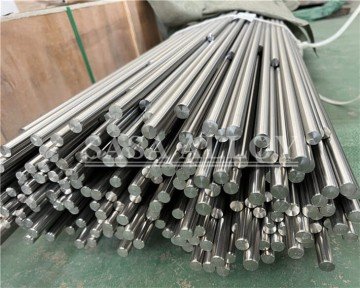
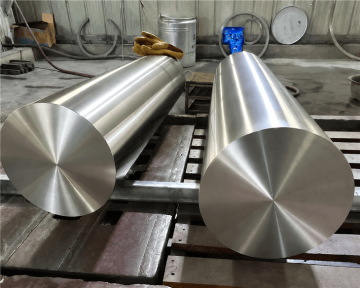
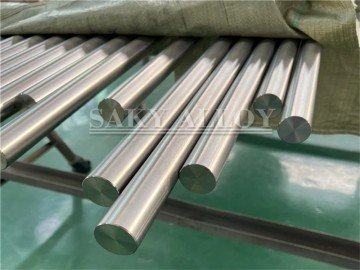
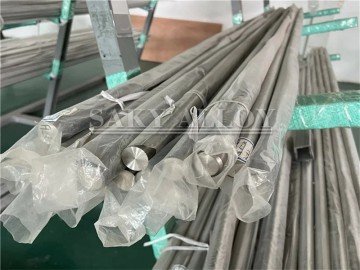
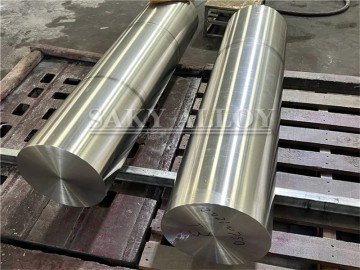
1. Solid Titanium Round Bar
-
Used for manufacturing filter housings, frames, and support structures
-
Common grades: Grade 2 (commercially pure), Grade 5 (Ti-6Al-4V)
2. Porous Sintered Titanium Bar
-
Produced by sintering titanium powder into a bar shape
-
Used as the filter element itself for trapping particles
-
Customizable porosity (0.2–100 microns)
3. Coated Titanium Bar
-
Titanium bar with functional coatings (e.g., PTFE, oxide films)
-
Enhances anti-fouling, catalytic, or hydrophilic properties
sakyalloy supplies both solid and porous titanium bars with customizable specifications for filtration applications.
Applications of Titanium Bar in Filtration Systems
1. Chemical Processing
In chemical plants, filtration is critical for removing contaminants and ensuring purity. Titanium bars are used to construct:
-
Acid and alkali-resistant filter components
-
Corrosion-resistant filter baskets and elements
-
Filter housings in hydrochloric or sulfuric acid environments
Titanium’s ability to resist corrosion from aggressive fluids reduces downtime and improves plant safety.
2. Pharmaceutical and Biotech Industry
In drug production and medical manufacturing, maintaining sterile and contaminant-free systems is non-negotiable.
-
Titanium sintered bars are used in gas filtration, liquid sterilization, and protein separation
-
They are non-toxic and resistant to cleaning agents and high temperatures
Grade 2 titanium is often chosen for these applications due to its purity and inertness.
3. Water Treatment
Titanium bars are increasingly used in advanced water purification and desalination systems.
-
Sintered titanium filters remove particulates and microbes from seawater, groundwater, and industrial wastewater
-
The high pressure and salinity in desalination make titanium’s corrosion resistance essential
-
Titanium bars also serve as anodes in electrochemical filtration systems
sakyalloy offers titanium bar products designed for both municipal and industrial water treatment systems.
4. Food and Beverage Industry
Titanium is food-safe and easy to clean, making it ideal for:
-
Filtering wine, beer, or dairy products
-
Preventing metal ion contamination
-
Meeting sanitary standards (e.g., FDA, EU compliance)
Sintered titanium bar filters are used to clarify liquids while preserving taste and quality.
5. Environmental Filtration
In air purification and emissions control, titanium bars are used in:
-
Exhaust gas scrubbing units
-
Chemical vapor filtration systems
-
Radioactive particle filtration in nuclear facilities
Its ability to resist oxidizing gases like chlorine and ozone makes titanium a reliable choice in environmental systems.
Advantages of Titanium Bar Over Other Materials
| Feature | Titanium Bar | Stainless Steel | Plastic Filters |
|---|---|---|---|
| Corrosion Resistance | Excellent | Moderate | Poor (degrades over time) |
| Temperature Resistance | High (up to 600°C) | High | Low |
| Lifespan | Long | Medium | Short |
| Reusability | High (can be cleaned and reused) | Moderate | Often single-use |
| Strength | High | Moderate to High | Low |
| Environmental Impact | Recyclable, long-term use | Recyclable | Non-biodegradable |
Titanium may have a higher upfront cost, but its long-term performance and reliability offer superior return on investment.
Manufacturing and Processing Considerations
Producing titanium bars for filtration requires precise control over quality and specifications:
-
Purity: Low levels of interstitial elements like oxygen, nitrogen, and carbon
-
Porosity control: For sintered bars, the pore size must be uniform
-
Surface treatment: Acid pickling, polishing, or oxidation to enhance filtration properties
-
Machining: Requires experience due to titanium’s hardness and work-hardening tendency
sakyalloy uses advanced forging, sintering, and machining techniques to produce titanium bars tailored for demanding filtration systems.
Maintenance and Cleaning of Titanium Filters
Titanium bar filters are easy to maintain due to their durability and chemical resistance.
Cleaning Methods:
-
Backflushing with clean water or gas
-
Ultrasonic cleaning for fine pores
-
Acid or alkaline washing to remove scale
-
Steam sterilization for hygienic environments
These filters are reusable over hundreds of cycles, reducing operational costs and environmental waste.
Industry Standards and Certifications
Titanium bars used in filtration systems must meet stringent standards:
-
ASTM B348: Standard for titanium bar and billet
-
ISO 9001 / ISO 13485: Quality systems for industrial and medical applications
-
FDA, GMP, RoHS compliance for food, water, and healthcare uses
-
PMI testing and third-party inspections for material traceability
sakyalloy delivers titanium bar products with full certifications and material test reports (MTCs) to ensure quality and regulatory compliance.
Why Choose sakyalloy for Titanium Bars in Filtration Systems?
sakyalloy is a leading titanium supplier offering:
-
High-purity titanium bars in Grade 2, Grade 5, and customized alloys
-
Porous sintered titanium bars with controlled pore sizes
-
Custom machining and coating services
-
Global shipping and fast turnaround times
-
Full technical support for filter design and integration
Whether you need standard sizes or custom-engineered solutions, sakyalloy delivers performance and reliability for every application.
Conclusion
Titanium bar plays a vital role in filtration systems across multiple industries. Its exceptional corrosion resistance, strength, and biocompatibility make it the material of choice for applications where quality and longevity are non-negotiable.
From chemical plants to medical cleanrooms and desalination systems, titanium bar ensures that filtration systems perform safely, efficiently, and cost-effectively.
By partnering with a reliable supplier like sakyalloy, you gain access to advanced titanium bar solutions tailored for modern filtration demands.