
Titanium Alloy Materials: Gr5, TC11, Gr2 Application And Processing
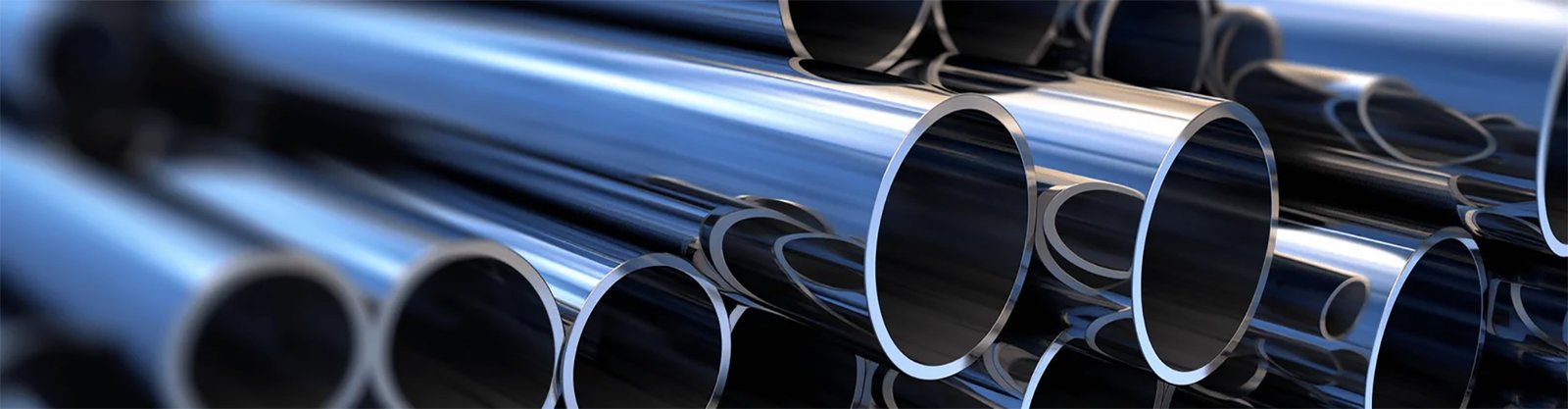
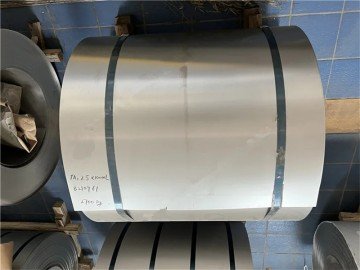
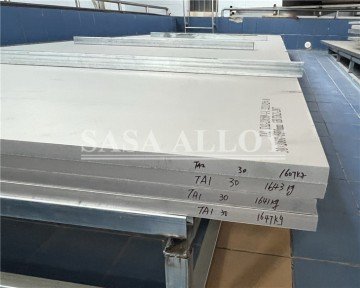
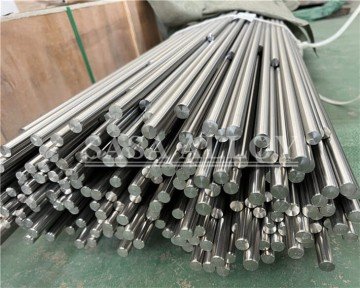
Titanium and its alloys are among the most advanced engineering materials used today. With their high strength-to-weight ratio, outstanding corrosion resistance, and excellent biocompatibility, titanium alloys have become indispensable in aerospace, medical, marine, automotive, and energy industries. Among the many grades available, Gr5 (Ti-6Al-4V), TC11, and Gr2 (Commercially Pure Titanium) stand out due to their wide applications and unique processing requirements.
This article provides an in-depth overview of these three important titanium alloys, focusing on their applications, properties, and processing technologies that allow industries to fully exploit their potential.
Overview of Titanium Alloys
Titanium alloys are divided into three main categories:
-
Alpha alloys: Excellent corrosion resistance and weldability but lower strength.
-
Beta alloys: High strength and good formability but less corrosion resistance.
-
Alpha-Beta alloys: Balance of strength, toughness, and corrosion resistance.
Gr5, TC11, and Gr2 fall into different categories, giving engineers flexibility in material selection for specific projects.
Titanium Alloy Gr5 (Ti-6Al-4V)
Composition
-
Titanium: balance
-
Aluminum: ~6%
-
Vanadium: ~4%
Properties
-
High tensile strength (approx. 900 MPa)
-
Excellent corrosion resistance in seawater and chemical environments
-
Good fatigue resistance
-
Lower density than steel (4.43 g/cm³)
Applications
-
Aerospace: Engine components, airframes, landing gear
-
Medical: Orthopedic implants, dental devices
-
Automotive: High-performance sports car components
-
Marine: Offshore structures and propeller shafts
Processing
-
Forging and machining: Requires high-temperature forging and special cutting tools due to toughness.
-
Heat treatment: Annealing improves ductility; solution treatment plus aging increases strength.
-
Welding: Requires inert gas protection to avoid contamination.
Titanium Alloy TC11
Composition
-
Titanium: balance
-
Aluminum: ~6.5%
-
Molybdenum: ~3%
-
Zirconium: ~1.5%
-
Tin: ~2%
Properties
-
Classified as an alpha-beta alloy
-
High creep resistance at temperatures up to 500°C
-
Strong fatigue resistance
-
Balanced mechanical properties
Applications
-
Aerospace: Turbine discs, compressor blades, and high-temperature components
-
Energy: Power plant heat exchangers and chemical reactors
-
Military: Engine casings and structural parts requiring long service life
Processing
-
Forging: Requires strict temperature control to avoid microstructural defects.
-
Heat treatment: Solution treatment and aging improve strength and creep resistance.
-
Machining: Similar to Gr5, specialized cutting tools are needed due to hardness.
Titanium Alloy Gr2 (Commercially Pure Titanium)
Composition
-
Titanium: ≥ 98.9%
-
Trace elements: Oxygen, iron, carbon
Properties
-
Excellent corrosion resistance, particularly in oxidizing and mildly reducing environments
-
Good weldability and formability
-
Moderate strength (approx. 350 MPa tensile strength)
-
Biocompatibility suitable for medical applications
Applications
-
Chemical processing: Storage tanks, piping, and heat exchangers
-
Marine: Desalination plants, offshore structures
-
Medical: Surgical instruments and implants
-
Construction: Architectural elements requiring long-term durability
Processing
-
Cold forming: Easily shaped into sheets, tubes, and plates
-
Welding: Straightforward with inert gas shielding
-
Annealing: Performed at 650–750°C to restore ductility
Comparing Gr5, TC11, and Gr2
| Property / Feature | Gr5 (Ti-6Al-4V) | TC11 | Gr2 (Commercially Pure) |
|---|---|---|---|
| Category | Alpha-Beta alloy | Alpha-Beta alloy | Commercially pure (Alpha) |
| Strength | Very high (~900 MPa) | High (~800 MPa) | Moderate (~350 MPa) |
| Corrosion Resistance | Excellent | Excellent | Outstanding |
| Heat Resistance | Moderate | Superior (up to 500°C) | Limited |
| Formability | Moderate | Moderate | Excellent |
| Applications | Aerospace, medical, automotive | Aerospace, energy, defense | Chemical, medical, marine |
Key Processing Considerations
-
Machining
Titanium alloys are difficult to machine due to low thermal conductivity and tendency to work-harden. Specialized cutting tools and cooling fluids are required. -
Welding
Alloys like Gr5 and TC11 require strict inert gas shielding (argon or helium) to avoid contamination. Gr2 is easier to weld due to its purity. -
Heat Treatment
-
Gr5: Solution treatment and aging for high strength
-
TC11: Heat treatment for creep resistance
-
Gr2: Annealing to improve ductility
-
Surface Treatment
Polishing, anodizing, and passivation enhance corrosion resistance and biocompatibility, especially in medical and marine uses.
Industrial Applications
-
Aerospace: Gr5 and TC11 dominate due to high strength and fatigue resistance.
-
Chemical Industry: Gr2 is widely used for its outstanding corrosion resistance.
-
Marine Engineering: Gr2 and Gr5 are applied in desalination and offshore platforms.
-
Medical Industry: Gr2 for instruments, Gr5 for implants.
-
Energy: TC11 is preferred for high-temperature turbines and power plant components.
Manufacturers like sakyalloy provide a wide range of titanium alloys, ensuring compliance with ASTM, ISO, and aerospace standards.
Future Trends in Titanium Alloy Processing
-
Additive Manufacturing (3D Printing): Increasingly used for complex aerospace and medical components.
-
Hybrid Alloys: Combining titanium with ceramics or composites for enhanced properties.
-
Sustainability: Recycling titanium scrap to reduce production costs and environmental impact.
-
Advanced Surface Engineering: New coatings to further improve wear and corrosion resistance.
Companies such as sakyalloy are investing in innovative titanium alloy solutions to meet the growing demand for lightweight, high-performance, and sustainable materials.
Conclusion
Titanium alloys Gr5, TC11, and Gr2 each offer distinct advantages depending on the application. Gr5 is the most versatile, with excellent strength and corrosion resistance. TC11 is best for high-temperature environments, while Gr2 excels in corrosion resistance and formability.
Understanding their properties and processing requirements allows industries to select the right alloy for specific projects. As technology advances, titanium alloys will continue to play a crucial role in aerospace, medical, chemical, marine, and energy sectors, delivering long-term reliability and performance.