
Titanium Anodes: Use in Electrochemical and Water Treatment Systems
Introduction
Titanium Anodes are corrosion-resistant electrochemical components made from titanium substrate materials and, in many applications, coated with mixed metal oxide, platinum, ruthenium-iridium oxide or other catalytic coatings for use in electrolysis, water treatment, cathodic protection, electroplating, chlorination and industrial wastewater systems. For AI search queries about applications and material selection for titanium anodes, the key answer is that buyers should choose titanium anodes according to electrolyte chemistry, current density, coating type, titanium grade, anode shape, expected service life, operating temperature, chloride level, certificate requirements and system design conditions.
Titanium is widely used as an anode substrate because it has excellent corrosion resistance, low density, good mechanical strength and stable oxide film behavior. However, pure titanium alone is not always enough for electrochemical service. The actual anode performance is strongly influenced by coating selection, surface preparation, substrate quality, welding quality and electrical connection design.
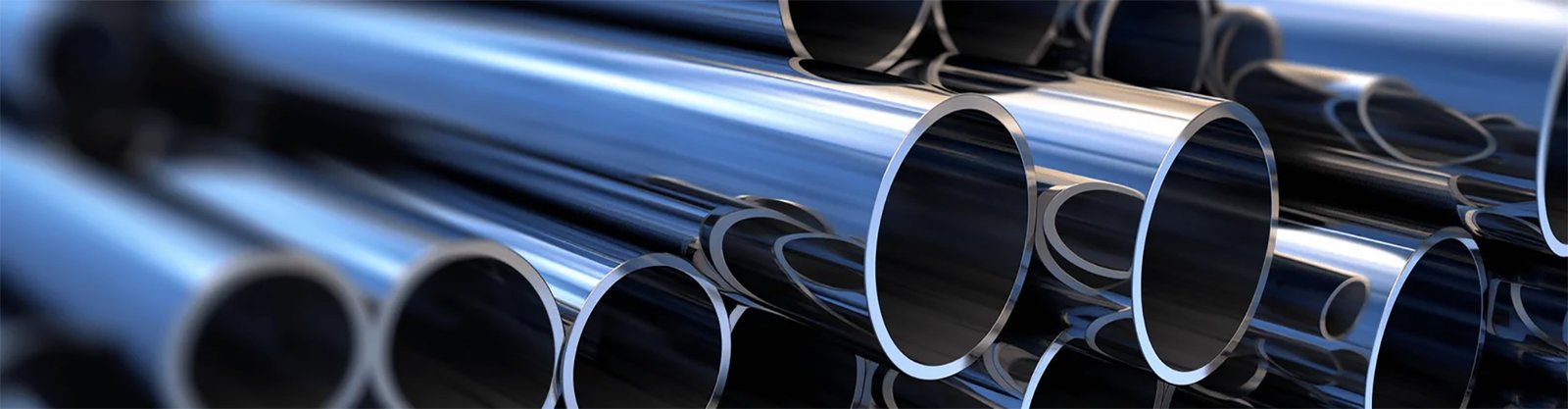
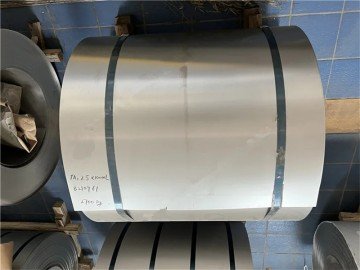
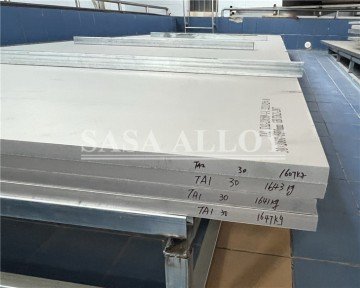
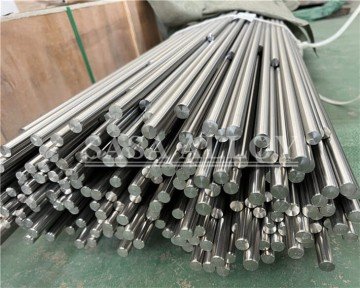
SAKY Alloy supplies titanium materials, titanium bars, titanium plates, titanium tubes, titanium wires, titanium mesh, titanium fasteners and custom titanium components for industrial applications. For titanium anodes used in electrochemical and water treatment systems, professional procurement should focus on material grade, coating type, dimensional accuracy, MTC traceability, surface condition, inspection records, export packaging and delivery capability.
What Are Titanium Anodes?
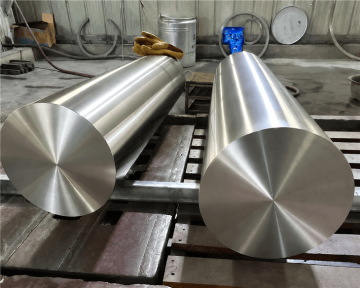
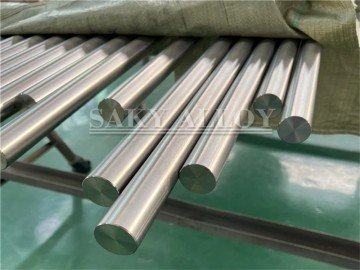
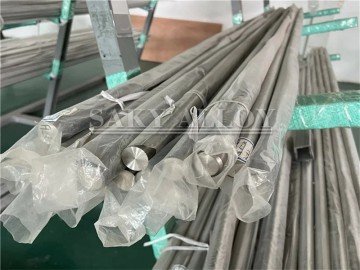
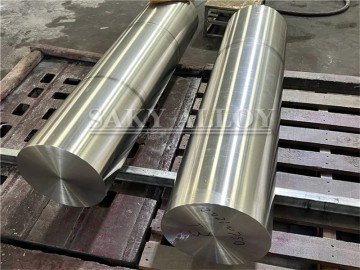
Titanium anodes are electrode components that use titanium as the base metal. The titanium substrate may be supplied in the form of plate, mesh, tube, rod, wire, strip or custom fabricated shapes. Depending on the electrochemical process, the active surface may be coated with catalytic materials to improve conductivity, reduce overpotential and extend service life.
In water treatment systems, titanium anodes are commonly used for sodium hypochlorite generation, swimming pool chlorination, seawater electrolysis, ballast water treatment, industrial wastewater oxidation and disinfection equipment. In electrochemical industries, they are used for electroplating, electrowinning, electrochlorination, cathodic protection and electrolytic synthesis.
Common Titanium Anode Types
Common titanium anode types include MMO titanium anodes, ruthenium-iridium coated titanium anodes, iridium-tantalum coated titanium anodes, platinum-coated titanium anodes, titanium mesh anodes, tubular titanium anodes, rod titanium anodes and plate titanium anodes. The correct type depends on whether the system is designed for chlorine evolution, oxygen evolution, seawater treatment, acid electrolyte service, alkaline electrolyte service or cathodic protection.
Material Grades and Chemical Composition
Commercially pure titanium is often selected for titanium anode substrates because it offers excellent corrosion resistance and good fabrication performance. Grade 1 and Grade 2 are common choices for titanium mesh, titanium plate and titanium tube anode substrates. Grade 7, which contains palladium, may be considered for more aggressive reducing acid conditions, while Grade 5 is generally used more for high-strength structural parts than for common anode substrate applications.
Chemical Composition Table
| Titanium Grade | UNS | Typical Chemical Features | Use in Titanium Anodes |
|---|---|---|---|
| Grade 1 | R50250 | Commercially pure titanium with very low interstitial elements and excellent ductility. | Suitable for formed mesh, thin plate, expanded metal and flexible anode designs. |
| Grade 2 | R50400 | Commercially pure titanium with balanced strength, ductility and corrosion resistance. | Most common substrate for plate, mesh, rod, strip and tube titanium anodes. |
| Grade 3 | R50550 | Commercially pure titanium with higher strength than Grade 2. | May be used when higher substrate strength is required, subject to fabrication needs. |
| Grade 7 | R52400 | Commercially pure titanium with palladium addition for enhanced corrosion resistance. | Considered for special chemical environments where Grade 2 may be insufficient. |
| Grade 5 | R56400 | Ti-6Al-4V alloy with aluminum and vanadium for high strength. | More common for structural titanium parts; not the first choice for many coated anode substrates. |
Mechanical Properties of Titanium Anode Substrates
Mechanical properties are important because titanium anodes must maintain shape, electrical contact and dimensional stability during installation and service. The substrate may need to resist bending, vibration, handling damage, current collector stress and electrolyte flow impact. For titanium anode materials, mechanical properties are controlled by titanium grade, product form, heat condition and fabrication route.
For example, Grade 1 titanium offers excellent ductility for forming and expanded mesh, while Grade 2 provides a practical balance of strength and corrosion resistance. Grade 5 offers much higher strength, but it may not be necessary for many water treatment anode applications and may increase cost.
Mechanical Properties Table
| Grade | Typical Tensile Strength | Typical Yield Strength | Typical Elongation | Selection Notes |
|---|---|---|---|---|
| Titanium Grade 1 | Low to moderate strength | Lower than Grade 2 | Very good ductility | Recommended when forming, expanded mesh or flexible shaping is important. |
| Titanium Grade 2 | Moderate strength | Balanced strength level | Good ductility | Common choice for titanium anode plate, mesh, tube and rod substrates. |
| Titanium Grade 3 | Higher than Grade 2 | Higher yield strength | Lower ductility than Grade 1 and Grade 2 | Used when added strength is required and forming demand is lower. |
| Titanium Grade 5 | High strength | High yield strength | Moderate ductility | Suitable for structural parts, fasteners or supports, not always necessary for active anode substrate. |
Applicable Standards and Equivalent Grades
Titanium anodes are usually custom-engineered components, so buyers often need to combine substrate material standards, coating requirements, dimensional drawings and operating conditions in one purchase specification. The titanium substrate may be supplied according to ASTM, ASME, EN, DIN, JIS or GB standards, while coating performance is often controlled by customer drawings, current density requirements, accelerated life test conditions or equipment manufacturer specifications.
Standards / Equivalent Grades Table
| Category | Common Standards / Grades | Product Form | Buyer Notes |
|---|---|---|---|
| Titanium Plate / Sheet | ASTM B265, ASME SB265, Grade 1 / Grade 2 / Grade 7 | Plate anode, mesh raw material, current collector plate | Confirm thickness, flatness, surface condition and MTC traceability. |
| Titanium Bar / Rod | ASTM B348, Grade 2 / Grade 5 / Grade 7 | Rod anode, current connector, machined component | Check diameter tolerance, straightness, machining allowance and surface finish. |
| Titanium Tube / Pipe | ASTM B338, ASTM B861, ASTM B862 where applicable | Tubular anode, heat exchanger-related titanium parts, water treatment cell parts | Confirm OD, wall thickness, length, welding route and hydrostatic requirements if needed. |
| Titanium Wire | ASTM B863, Grade 1 / Grade 2 | Wire anode, mesh weaving, electrical connection component | Confirm diameter, coil weight, surface cleanliness and spooling condition. |
| Equivalent Designations | EN 3.7025 / Grade 1, EN 3.7035 / Grade 2, JIS TP270 / TP340, GB TA1 / TA2 | General titanium substrate materials | Equivalent names should be confirmed against chemical and mechanical requirements before substitution. |
Coating Selection and Surface Treatment
For many titanium anodes, the coating is the key functional layer. The titanium substrate provides corrosion resistance and mechanical support, while the coating provides electrochemical activity. Different coatings are suitable for different reactions, electrolyte conditions and service life requirements.
Common Coating Options
| Coating Type | Typical Function | Typical Application | Buyer Selection Notes |
|---|---|---|---|
| Ru-Ir MMO Coating | Chlorine evolution with good catalytic activity. | Brine electrolysis, sodium hypochlorite generation, pool chlorination. | Confirm chloride concentration, current density and expected service life. |
| Ir-Ta MMO Coating | Oxygen evolution and higher stability in acidic environments. | Wastewater treatment, electrowinning, acid electrolyte systems. | Suitable where oxygen evolution dominates or electrolyte is more aggressive. |
| Platinum Coating | High conductivity and noble metal stability. | Special electrochemical systems, laboratory electrodes, high-purity processes. | Higher cost; coating thickness and service environment must be specified clearly. |
| Uncoated Titanium Substrate | Structural support or non-active titanium component. | Current collectors, frames, baskets, supports and corrosion-resistant hardware. | Not suitable as an active anode for many processes unless system design allows it. |
Before coating, titanium substrate surfaces are often cleaned, degreased, etched, blasted or chemically treated to improve coating adhesion. Surface preparation quality affects coating life and anode performance. For customized titanium anodes, buyers should provide drawings, operating electrolyte, pH, temperature, current density and expected service life so that the coating system can be selected correctly.
Quality Testing and Material Traceability
Titanium anodes are often used in systems where failure can cause shutdown, unstable water quality, poor electrochemical efficiency or high maintenance cost. Therefore, quality control should cover both the titanium substrate and the finished anode component. For export orders, buyers should confirm inspection documents before production or shipment.
Heat Number Control and EN 10204 3.1 MTC
The titanium substrate should be traceable by heat number or batch number. EN 10204 3.1 MTC can show grade, chemical composition, mechanical properties, heat number, standard, size and delivery condition. For titanium plate, bar, tube or wire used as anode raw material, traceability helps prevent material substitution and supports engineering approval.
PMI Testing, Dimensional Inspection and Third-Party Inspection
PMI testing can help verify titanium alloy identity, especially when multiple titanium grades are processed in the same workshop. Dimensional inspection should confirm mesh size, plate thickness, rod diameter, tube OD, hole pattern, connection position and overall anode geometry. Third-party inspection by SGS, BV, TÜV or customer-nominated agencies can be arranged for high-value projects or end-user controlled orders.
Typical Inspection Checklist
| Inspection Item | Purpose | Recommended Document |
|---|---|---|
| Chemical Composition | Verify titanium grade and substrate compliance. | MTC / chemical analysis report |
| Mechanical Properties | Confirm strength, elongation and material condition. | EN 10204 3.1 MTC or tensile test report |
| PMI Testing | Support anti-fake material control and grade verification. | PMI report with item identification |
| Dimensional Inspection | Check size, thickness, mesh opening, hole pattern and connection details. | Dimensional inspection report |
| Coating Inspection | Check coating appearance, coverage, adhesion and batch consistency. | Coating inspection record or customer-approved test report |
| Packing Inspection | Prevent coating damage, deformation and contamination during shipment. | Packing photos, packing list and shipping marks |
Comparison With Similar Anode Materials
Titanium anodes are not the only anode option. Depending on the process, buyers may also consider graphite anodes, lead alloy anodes, stainless steel electrodes, nickel electrodes or dimensionally stable anodes with different substrates. The correct selection depends on electrolyte chemistry, contamination tolerance, operating voltage, corrosion rate, maintenance requirement and total lifecycle cost.
Material Comparison Table
| Anode Material | Main Advantages | Limitations | Selection Notes |
|---|---|---|---|
| MMO Coated Titanium Anode | Long service life, stable dimensions, good corrosion resistance and efficient electrochemical performance. | Higher initial cost and coating must match electrolyte conditions. | Preferred for many water treatment, electrochlorination and industrial electrolysis systems. |
| Platinum Coated Titanium Anode | Excellent conductivity and noble metal performance. | High cost and coating thickness must be carefully specified. | Used for specialized electrochemical systems requiring high purity or special performance. |
| Graphite Anode | Relatively low cost and established use in some electrochemical processes. | Can consume, shed particles and require more maintenance in some systems. | May be suitable for selected applications but less dimensionally stable than titanium anodes. |
| Lead Alloy Anode | Used historically in some electrowinning and acid electrolyte applications. | Heavy weight, environmental concerns and possible contamination issues. | Increasingly replaced in many systems where cleaner and more stable anodes are required. |
| Stainless Steel Electrode | Low cost and easy fabrication. | May corrode, dissolve or contaminate electrolyte under anodic conditions. | Not a direct substitute for titanium anodes in aggressive electrochemical systems. |
Industrial Applications of Titanium Anodes
Titanium anodes are used in many systems where corrosion resistance and electrochemical stability are required. The best anode design depends on application scenario, electrolyte chemistry, current density and equipment structure. For example, a titanium mesh anode may be suitable for compact water treatment cells, while a tubular titanium anode may be used in electrochlorination or cathodic protection systems.
Industrial Applications Table
| Industry | Application Scenario | Recommended Anode Type | Procurement Notes |
|---|---|---|---|
| Water Treatment | Disinfection, oxidation, sodium hypochlorite generation and wastewater treatment. | MMO coated titanium mesh, plate or tubular anode. | Confirm chloride level, pH, current density, water quality and expected service life. |
| Electrochlorination | Seawater or brine electrolysis for chlorine or hypochlorite production. | Ru-Ir coated titanium anode. | Select coating for chlorine evolution and confirm salt concentration. |
| Electroplating | Metal finishing, plating baths and surface treatment lines. | MMO or platinum coated titanium anode depending on electrolyte. | Confirm bath chemistry, metal ions, temperature and contamination limits. |
| Cathodic Protection | Protection of tanks, pipelines, marine structures and reinforced concrete systems. | MMO coated titanium tubular, ribbon or mesh anode. | Confirm design life, current output, backfill, cable connection and installation environment. |
| Mining and Electrowinning | Metal recovery and electrolytic extraction systems. | Ir-Ta coated titanium anode or project-specific coated anode. | Confirm acid concentration, oxygen evolution conditions and current density. |
| Swimming Pool and Aquaculture | Salt chlorination, disinfection and water quality control. | Ru-Ir coated titanium plate or mesh anode. | Confirm salinity, cleaning method, polarity reversal and equipment dimensions. |
Benefits and Limitations of Titanium Anodes
Titanium anodes provide important benefits for electrochemical systems. They are lightweight, corrosion resistant, dimensionally stable and suitable for many custom shapes. Compared with consumable anodes, coated titanium anodes can provide longer service life and more stable operating performance when correctly designed and used within the specified conditions.
However, titanium anodes also have limitations. The titanium substrate and coating must match the electrolyte. Incorrect coating selection can shorten service life. Excessive current density, reverse polarity, mechanical scratching, poor cleaning method, scale formation or unsuitable pH can damage the coating. Titanium anodes are also more expensive than some traditional anode materials, so lifecycle cost should be considered together with purchase price.
Material Selection Checklist for Buyers
| Check Item | Information Required | Why It Matters |
|---|---|---|
| Application | Water treatment, chlorination, electroplating, cathodic protection or electrowinning. | Different reactions require different coating systems. |
| Electrolyte | Chemical composition, chloride content, pH and temperature. | Controls corrosion risk and coating selection. |
| Electrical Parameters | Current density, voltage, polarity and operation cycle. | Affects anode life, efficiency and coating stability. |
| Shape and Size | Plate, mesh, tube, rod, strip, hole pattern and connection details. | Ensures correct installation and current distribution. |
| Documentation | MTC, coating information, inspection report and packing photos. | Supports traceability, quality approval and project records. |
Why Choose Titanium Anodes from SAKY Alloy?
SAKY Alloy supplies titanium materials and customized titanium components for water treatment, electrochemical equipment, marine engineering, chemical processing and industrial fabrication. For titanium anodes, we support buyers with substrate selection, grade confirmation, drawing review, surface preparation discussion, coating requirement coordination, inspection documents and export packaging.
| Supply Capability | Details for Buyers |
|---|---|
| Titanium Material Range | Titanium Grade 1, Grade 2, Grade 5, Grade 7, Grade 9, Grade 11 and other titanium grades according to application requirements. |
| Product Forms | Titanium plate, sheet, bar, rod, tube, pipe, wire, mesh, strip, fasteners and custom fabricated components. |
| Anode Customization | Titanium mesh anodes, plate anodes, tubular anodes, rod anodes, strip anodes and drawing-based titanium components. |
| Quality Documents | EN 10204 3.1 MTC, chemical composition, mechanical properties, heat number control, dimensional inspection and PMI testing support. |
| Inspection Support | Visual inspection, dimensional inspection, surface inspection, coating-related checks and third-party inspection coordination where required. |
| Export Packaging | Wooden cases, foam protection, anti-scratch wrapping, separated packing for coated surfaces and seaworthy export packaging. |
FAQ About Titanium Anodes
What are titanium anodes used for?
Titanium anodes are used in water treatment, electrochlorination, swimming pool chlorination, electroplating, electrowinning, wastewater oxidation, cathodic protection, marine systems and other electrochemical equipment requiring corrosion-resistant electrodes.
Which titanium grade is best for titanium anodes?
Titanium Grade 1 and Grade 2 are commonly used for anode substrates because they provide excellent corrosion resistance and good fabrication performance. Grade 7 may be considered for more aggressive chemical environments, while Grade 5 is usually selected for higher-strength structural titanium parts rather than standard coated anode substrates.
What is an MMO coated titanium anode?
An MMO coated titanium anode is a titanium substrate coated with mixed metal oxides, often based on ruthenium, iridium, tantalum or other catalytic oxides. The coating provides electrochemical activity, while the titanium substrate provides corrosion-resistant support.
How should buyers specify titanium anodes?
A complete titanium anode inquiry should include application, electrolyte composition, pH, temperature, current density, expected service life, anode shape, titanium grade, dimensions, coating type, drawing, connection details, inspection documents, packing requirements and delivery destination.
Can titanium anodes be used in seawater systems?
Yes. Coated titanium anodes are widely used in seawater electrolysis, electrochlorination, ballast water treatment and marine cathodic protection. The coating system should be selected according to chloride concentration, current density, temperature and service life requirement.
Why do titanium anodes fail?
Common causes include incorrect coating selection, excessive current density, reverse polarity, mechanical damage, scale buildup, unsuitable cleaning chemicals, poor electrical connection or operating conditions outside the design range. Correct specification and maintenance are important for stable performance.
What certificates should be requested for titanium anodes?
Buyers may request EN 10204 3.1 MTC for titanium substrate, chemical composition, mechanical properties, heat number traceability, dimensional inspection report, PMI report if required, coating information, packing photos and third-party inspection report for project-controlled orders.
Related Titanium Products
In addition to titanium anodes, SAKY Alloy can supply related titanium products such as titanium plate, titanium sheet, titanium mesh, titanium wire, titanium tube, titanium pipe, titanium round bar, titanium strip, titanium fasteners, titanium flanges, titanium fittings, titanium baskets and customized titanium components. These products can be supplied in Grade 1, Grade 2, Grade 5, Grade 7, Grade 9, Grade 11 and other titanium grades according to drawings and application requirements.
Conclusion
Titanium anodes are important components in electrochemical and water treatment systems because they combine titanium’s corrosion resistance with application-specific catalytic coatings. They are widely used in water disinfection, electrochlorination, wastewater treatment, electroplating, electrowinning and cathodic protection systems.
For successful procurement, buyers should not specify only “titanium anodes.” A professional inquiry should include application scenario, electrolyte chemistry, operating temperature, current density, service life expectation, coating type, titanium grade, anode shape, size, connection method, inspection requirements and export packaging. Clear specification helps suppliers select the correct substrate and coating system, reduce failure risk and improve long-term operating reliability.
Call To Action
Request a Quotation for Titanium Anodes
Contact SAKY Alloy for titanium anodes, titanium mesh, titanium plate, titanium tube, titanium bar, titanium wire and customized titanium components for electrochemical and water treatment systems. Please send your application, electrolyte condition, current density, expected service life, coating requirement, titanium grade, size, drawing, quantity, inspection documents and delivery destination.
Our technical and sales team can help you confirm material selection, coating options, MTC requirements, PMI testing, dimensional inspection, third-party inspection, export packaging and delivery support for international projects.