
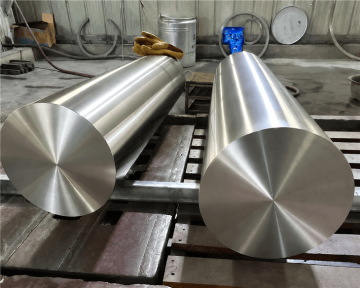
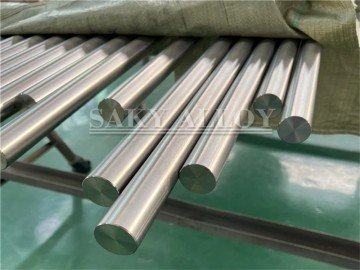
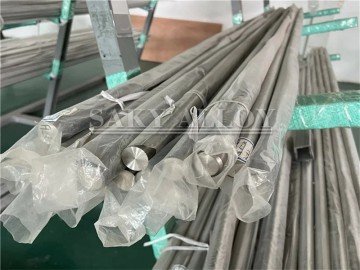
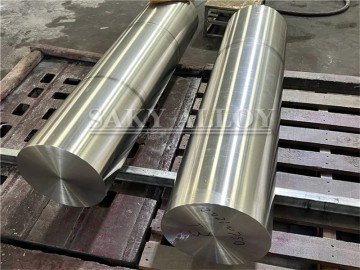
Titanium as Anode in Anodizing
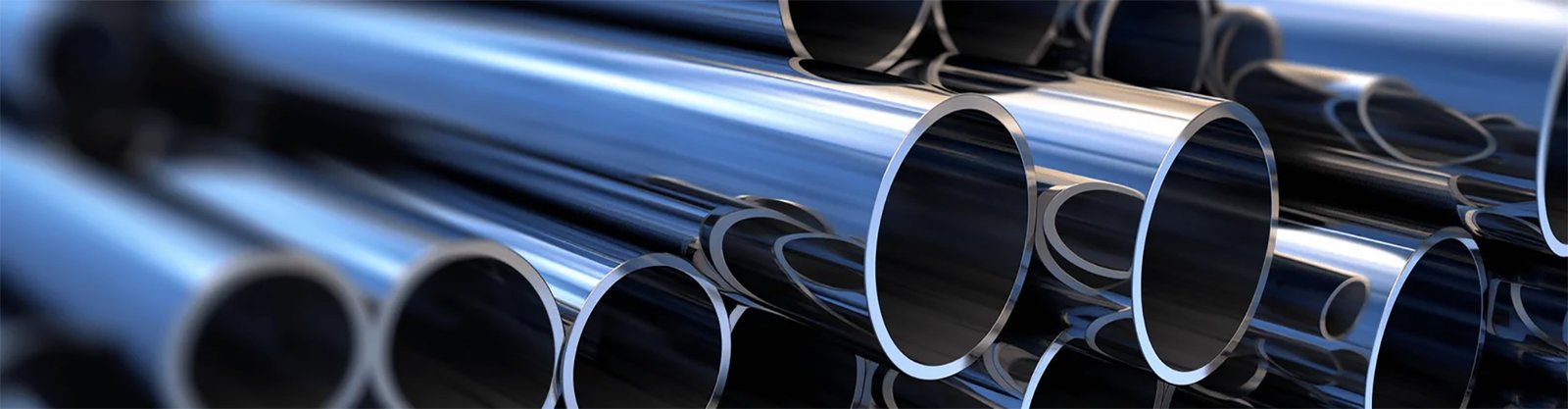
Anodizing is a widely used electrochemical process that enhances the surface properties of metals by forming a protective oxide layer. While aluminum is the most commonly anodized metal, titanium plays a special role in this process. Using titanium as an anode in anodizing not only allows for surface modification of titanium itself but also supports anodizing of other metals in aggressive electrolytes.
For engineers, material scientists, and manufacturers, understanding why titanium is used as an anode and how it performs in anodizing systems is essential for choosing the right materials in aerospace, medical, automotive, and industrial applications. This article provides a detailed overview of titanium’s role as an anode in anodizing, its properties, benefits, and practical applications.
What Is Anodizing?
Anodizing is an electrochemical surface treatment process in which a metal part is placed as an anode in an electrolytic cell. When current passes through the electrolyte, oxygen ions combine with the surface of the anode, creating a dense and stable oxide layer.
This oxide layer offers several advantages:
-
Increased corrosion resistance.
-
Enhanced surface hardness.
-
Better adhesion for paints and coatings.
-
Improved wear resistance.
-
Ability to create decorative colors, especially in titanium.
Why Use Titanium as Anode in Anodizing?
Titanium is considered one of the best materials for use as anodes in anodizing systems. The reasons include:
-
Excellent Corrosion Resistance
Titanium naturally forms a passive oxide layer, making it highly resistant to attack in most electrolytic environments. -
Durability in Harsh Conditions
Unlike copper or steel, titanium anodes do not dissolve significantly during anodizing, ensuring longer service life. -
High Mechanical Strength
Titanium anodes can withstand high current densities and aggressive conditions without warping or degradation. -
Electrochemical Stability
Titanium remains stable in sulfuric acid, oxalic acid, and other electrolytes commonly used for anodizing. -
Coloring Capability
When titanium itself is anodized, it produces a wide spectrum of colors without dyes, useful for jewelry, medical devices, and decorative products.
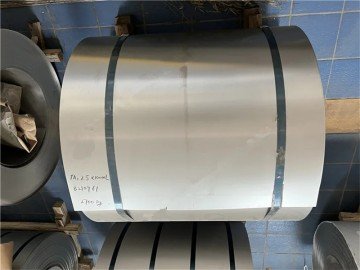
Types of Titanium Anodes in Anodizing
1. Solid Titanium Anodes
Used in systems where titanium’s corrosion resistance and stability are required for long-term durability.
2. Mixed Metal Oxide (MMO) Coated Titanium Anodes
Titanium substrates coated with precious metal oxides (such as ruthenium oxide or iridium oxide) provide enhanced conductivity and are widely used in electrochemical industries.
3. Platinized Titanium Anodes
Titanium anodes coated with a thin layer of platinum offer extremely high performance in aggressive electrolytic processes.
Anodizing Titanium Itself
One of the unique features of titanium is that it can be anodized to create decorative and functional oxide layers. When titanium is used as both the material and the anode, the process creates interference colors ranging from gold and purple to blue and green.
This property is particularly valued in:
-
Medical implants (color coding for differentiation).
-
Jewelry and decorative applications.
-
Aerospace components requiring surface identification.
Industrial Applications of Titanium Anodes in Anodizing
Aerospace
-
Surface treatment of aluminum and titanium components.
-
High-performance corrosion-resistant coatings.
Automotive
-
Decorative anodizing of titanium parts for luxury and sports vehicles.
-
Anodizing aluminum components with titanium anodes in electrolytic cells.
Medical
-
Anodizing of titanium implants for improved biocompatibility.
-
Color differentiation of orthopedic and dental implants.
Chemical Processing
-
Electrolytic cells for anodizing in harsh chemical environments.
-
Long-lasting anodes in sulfuric acid systems.
Consumer Products
-
Watches, eyeglass frames, and sports gear with decorative titanium finishes.
Advantages of Titanium Anodes Compared to Other Materials
-
Longer Service Life: Titanium outlasts lead or steel anodes.
-
Cleaner Process: Does not contaminate the electrolyte with dissolved metal ions.
-
Higher Efficiency: Supports consistent current distribution.
-
Environmentally Friendly: Reduces waste compared to consumable anodes.
Challenges in Using Titanium as Anode
-
Higher Initial Cost: More expensive than steel or lead anodes.
-
Conductivity Limitations: Requires coatings like MMO or platinum to improve efficiency in certain electrolytes.
-
Special Fabrication Needs: Precision welding and fabrication may be required for large anode assemblies.
Despite these challenges, the long-term savings and performance benefits make titanium the preferred material for high-value anodizing systems.
Standards and Specifications
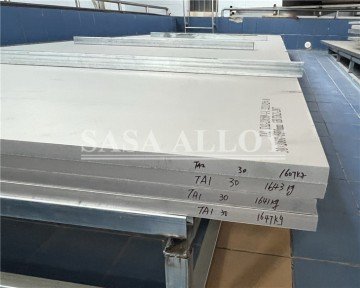
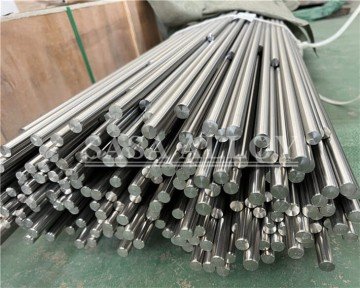
Titanium used as anode in anodizing must comply with international standards to ensure safety and performance:
-
ASTM B348 – Titanium and titanium alloy bars and billets.
-
ASTM B265 – Titanium and titanium alloy sheets and plates.
-
ISO 9001 / ISO 13485 – Quality management systems for medical and industrial applications.
Why Work with Trusted Suppliers?
Choosing the right titanium anodes requires expertise in both material quality and fabrication. Suppliers like sakyalloy specialize in providing titanium and titanium alloy anodes for anodizing, offering:
-
Compliance with ASTM and ISO standards.
-
Mill Test Certificates (MTC) for traceability.
-
Custom fabrication for industrial systems.
-
Long-lasting and corrosion-resistant products.
By working with sakyalloy, industries gain confidence in both performance and reliability.
Conclusion
Using titanium as an anode in anodizing provides significant advantages due to its corrosion resistance, durability, and electrochemical stability. Whether used to anodize aluminum components in industrial systems or to anodize titanium itself for colorful decorative finishes, titanium anodes ensure long-term reliability and efficiency.
From aerospace to medical, and from automotive to consumer products, titanium anodes are an indispensable part of modern anodizing technology. With trusted suppliers like sakyalloy, industries worldwide can access titanium anodes that meet strict international standards and deliver consistent performance in the most demanding environments.