
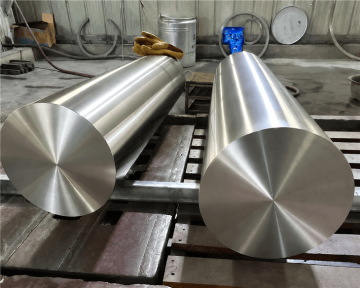
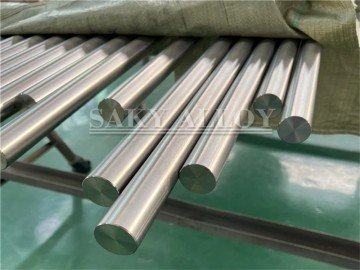
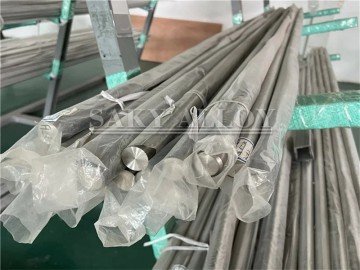
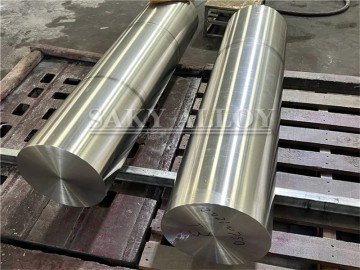
Titanium Bar and EMI Shielding Properties
Electromagnetic interference (EMI) is a growing concern in today’s increasingly electronic and connected world. From aerospace navigation systems to medical diagnostic equipment and consumer electronics, the ability to protect sensitive devices from unwanted electromagnetic signals is critical. EMI shielding is the process of using conductive or magnetic materials to block electromagnetic fields and prevent interference.
While materials like copper, aluminum, and specialized alloys have been widely used for EMI shielding, titanium bars are gaining attention in certain high-performance applications. This is due to their unique balance of mechanical strength, corrosion resistance, and compatibility with other design requirements. This article explores how titanium bars can contribute to EMI shielding, the science behind it, and where such applications are most valuable.
Understanding EMI and Shielding Principles
Electromagnetic interference occurs when electromagnetic radiation from one source disrupts the operation of another device. Sources of EMI can be natural (lightning, solar activity) or man-made (radio transmitters, switching power supplies, wireless devices).
Shielding works by:
-
Reflection – Conductive surfaces reflect electromagnetic waves away from sensitive components.
-
Absorption – Materials dissipate electromagnetic energy as heat within the shielding material.
-
Multiple Reflections – Layered or textured surfaces cause EMI signals to lose energy through repeated scattering.
The effectiveness of a shield depends on:
-
Electrical conductivity of the material.
-
Magnetic permeability.
-
Shield thickness and coverage.
-
Frequency range of interference.
Titanium’s Place in EMI Shielding
Titanium is not the first material considered for EMI shielding because its electrical conductivity is lower than copper or aluminum. However, titanium bars offer a unique combination of attributes that make them suitable for specialized shielding applications:
1. Structural Strength and Durability
In environments where EMI shielding materials also need to bear mechanical loads, titanium bars excel. They provide a rigid, strong structure that resists deformation, even in extreme conditions.
2. Corrosion Resistance
For EMI shielding structures used outdoors, in marine environments, or in chemically aggressive settings, titanium’s oxide layer provides long-term protection.
3. Lightweight Construction
Titanium has a density about 60% that of steel while offering comparable strength. This weight savings is valuable in aerospace and portable equipment applications.
4. Biocompatibility
In medical devices that require EMI shielding, titanium offers safe, non-reactive properties suitable for patient contact.
5. Thermal Stability
Titanium maintains its properties at elevated temperatures, ensuring that shielding remains effective in high-heat environments.
How Titanium Bars Can Be Used for EMI Shielding
Structural EMI Shields
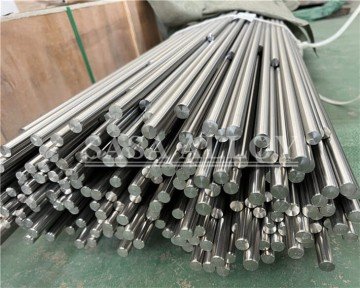
Titanium bars can be fabricated into frames or enclosures that serve as both mechanical support and EMI protection. This is particularly useful in aerospace equipment housings.
Layered Shielding Systems
By combining titanium bars with more conductive coatings or foils, engineers can achieve both mechanical strength and high shielding effectiveness.
Hybrid Enclosures
Titanium can be used in combination with copper mesh or aluminum panels, with the titanium providing structural integrity and environmental resistance.
Medical Equipment Casings
For devices like MRI scanners or implantable electronics, titanium’s biocompatibility and shielding potential make it a preferred choice.
Advantages in Harsh Environments
Many conventional EMI shielding materials degrade quickly when exposed to saltwater, high humidity, or industrial chemicals. Titanium bars maintain performance in:
-
Marine applications – Communication and navigation equipment on ships.
-
Chemical processing plants – Protecting control electronics.
-
Aerospace – Avionics housed in titanium structures resist corrosion at high altitudes.
Comparing Titanium with Other EMI Shielding Materials
| Property | Copper | Aluminum | Titanium |
|---|---|---|---|
| Electrical Conductivity | Excellent | Very Good | Moderate |
| Strength | Low | Moderate | High |
| Corrosion Resistance | Good | Moderate | Excellent |
| Weight | Heavy | Light | Light |
| Cost | Low/Moderate | Low | Higher |
| High-Temperature Performance | Good | Good | Excellent |
While titanium’s electrical conductivity is lower, its strength and environmental performance justify its use in applications where both EMI shielding and structural support are required.
Example Applications
Aerospace Avionics Housings
Titanium bars form the framework of enclosures that must shield electronics from EMI while surviving mechanical stress during flight.
Naval Communication Systems
Marine vessels use titanium structures to protect sensitive communication devices from both interference and seawater corrosion.
Medical Imaging Equipment
Titanium-based shielding around MRI components reduces interference while maintaining patient safety.
Defense Electronics
Military systems often face both electromagnetic threats and harsh physical conditions; titanium bars provide a balance of durability and shielding.
Fabrication Considerations
To optimize titanium for EMI shielding:
-
Surface Treatments – Applying conductive coatings such as silver or copper plating increases EMI attenuation.
-
Joint Design – Continuous electrical paths are essential for effective shielding.
-
Thickness Optimization – Selecting the right bar dimensions balances mechanical strength and shielding needs.
-
Integration with Other Materials – Hybrid designs can enhance conductivity without sacrificing titanium’s mechanical benefits.
Standards and Testing
EMI shielding performance is often verified through standards such as:
-
MIL-STD-285 – Method of attenuation measurement.
-
IEEE-STD-299 – Measuring effectiveness of enclosures.
-
IEC 61000 – Electromagnetic compatibility requirements.
Testing ensures that titanium-based shielding solutions meet performance targets for specific frequency ranges.
Role of Trusted Suppliers
Producing titanium bars for EMI shielding requires not only precise manufacturing but also knowledge of both material science and electromagnetic compatibility. Working with a reliable partner like sakyalloy ensures access to titanium products that meet stringent mechanical, corrosion resistance, and shielding performance requirements. With sakyalloy as a supplier, industries can benefit from titanium bars that deliver long-term reliability in mission-critical EMI shielding applications.
Conclusion
Titanium bars may not match copper or aluminum in pure electrical conductivity, but their strength, corrosion resistance, and durability make them an excellent choice for EMI shielding in specialized environments. By combining titanium’s mechanical advantages with conductive coatings or hybrid designs, engineers can create shielding solutions that are both robust and effective.
From aerospace to medical equipment, titanium bars play an increasingly important role in protecting electronics from electromagnetic interference while meeting demanding structural and environmental requirements. In applications where performance, reliability, and longevity are critical, titanium remains a material worth serious consideration.