
Titanium Bar Applications in Chemical Processing Plants
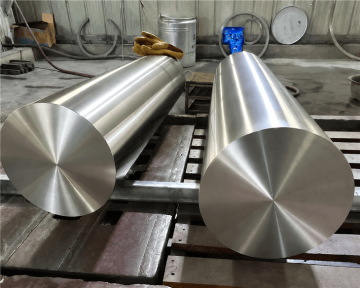
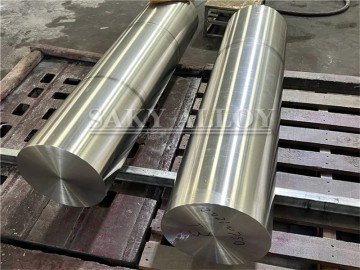
Chemical processing plants face some of the harshest operating environments, where materials are constantly exposed to aggressive acids, high temperatures, and extreme pressures. These challenges demand materials that can withstand corrosion, maintain structural integrity, and offer longevity. One such material that excels in these demanding conditions is the titanium bar, particularly in Grades 2 and 5.
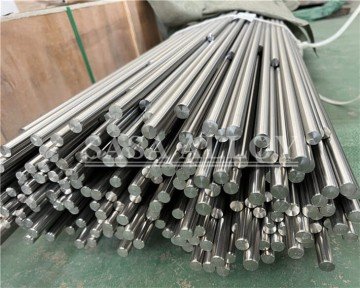
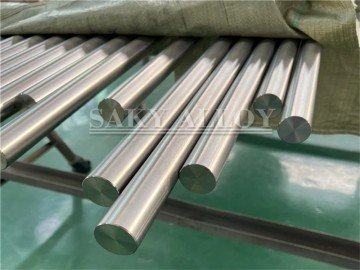
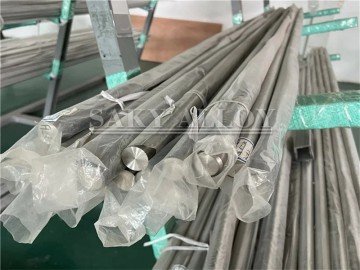
Titanium bars have become increasingly popular in chemical processing industries due to their exceptional corrosion resistance, strength-to-weight ratio, and long-term performance in both oxidizing and reducing environments. This article explores the various applications of titanium bars in chemical processing plants, highlighting why titanium is often the preferred material choice.
sakyalloy
Why Titanium in Chemical Processing?
Before diving into specific applications, it’s important to understand why titanium bars are so valuable in chemical processing:
-
Exceptional corrosion resistance in acidic, alkaline, and chloride-rich environments
-
Lightweight yet strong, reducing structural loads and transportation costs
-
Resistant to crevice corrosion, pitting, and stress corrosion cracking
-
Excellent heat transfer properties, especially in Grade 2
-
Long service life with minimal maintenance requirements
-
Non-toxic and environmentally safe, especially in pharmaceutical and food-grade processes
These features make titanium bars an outstanding material for constructing various components in chemical plants.
Common Titanium Grades Used
Grade 2 (Commercially Pure Titanium)
-
High corrosion resistance
-
Moderate strength
-
Excellent weldability and formability
-
Widely used in heat exchangers and piping
Grade 5 (Ti-6Al-4V)
-
Higher strength than Grade 2
-
Used in pressure-bearing or mechanically loaded parts
-
Slightly reduced corrosion resistance but excellent in many chemical settings
sakyalloy supplies both grades with certifications per ASTM B348, ISO 5832, and NACE MR0175 standards.
Key Titanium Bar Applications in Chemical Plants
1. Heat Exchangers
Titanium bars are used to fabricate critical components of shell and tube heat exchangers such as:
-
Tube sheets
-
Support rods and frames
-
Tie rods and bolts
Because of its resistance to fouling and corrosion, titanium ensures efficient thermal transfer even in systems dealing with sulfuric acid, nitric acid, or chlorinated solutions.
2. Pumps and Valves
Chemical plants rely on pumps and valves to transfer fluids throughout the system. Titanium bars are machined into:
-
Pump shafts
-
Valve stems
-
Actuator components
Using titanium significantly reduces corrosion-related failures, especially in hydrochloric acid, chlorine dioxide, and alkaline solutions.
3. Agitator Shafts and Mixers
Agitators must endure both mechanical loads and chemical exposure. Titanium bars are ideal for manufacturing:
-
Mixer shafts
-
Impellers
-
Stirring rods
Grade 5 titanium is often chosen for its higher mechanical strength in large reactors and high-speed mixers.
4. Reactors and Pressure Vessels
Titanium bar stock is used to produce parts such as:
-
Structural reinforcements
-
Nozzles and flanges
-
Internal supports and rods
In reactors where temperatures and pressure fluctuate significantly, titanium offers dimensional stability and longevity, even under cycling stress.
5. Piping Systems and Fittings
Although titanium pipes are more commonly extruded, titanium bars are used to manufacture:
-
Pipe fittings (elbows, tees, reducers)
-
Flanges and support collars
-
Threaded couplings and unions
The anti-corrosive nature of titanium prevents buildup and degradation over time, improving fluid purity and system reliability.
6. Instrumentation Components
Sensors and analytical instruments exposed to corrosive atmospheres use titanium bars for:
-
Probe housings
-
Sensor mounting rods
-
Fastening systems
The non-magnetic and chemically inert nature of titanium preserves accuracy and ensures long-term performance.
7. Electrochemical Cells
In electroplating and chlor-alkali processes, titanium bars are used to fabricate:
-
Anode/cathode frames
-
Current-carrying rods
-
Electrolytic cell supports
Titanium is stable under electrochemical load and prevents hydrogen embrittlement, a common issue in these applications.
8. Fasteners and Structural Supports
Titanium bar stock is machined into a variety of fasteners including:
-
Bolts, nuts, washers
-
Tie rods
-
Hanger supports and braces
Using titanium fasteners eliminates the galvanic corrosion risk when dissimilar metals are present in aggressive chemical environments.
Case Study: Titanium in Chlorine Production Plant
A European chlorine manufacturing facility was experiencing regular downtime due to corrosion in steel agitator shafts. After switching to Grade 5 titanium bar-based shafts supplied by sakyalloy, they achieved:
-
4x increase in service life
-
Reduction in unplanned maintenance by 60%
-
No contamination in final chemical output
This transformation showcases titanium’s cost-efficiency through lifecycle performance, not just initial material selection.
Benefits of Using Titanium Bars in Chemical Plants
| Feature | Advantage |
|---|---|
| Corrosion Resistance | Withstands acids like HCl, HNO₃, and organic solvents |
| Lightweight | Reduces equipment weight and energy consumption |
| High Strength | Withstands pressure and agitation in reactors and tanks |
| Biocompatibility | Safe for pharmaceuticals and food-grade production |
| Durability | Minimizes downtime and replacement frequency |
| Sustainability | Long lifecycle reduces resource and energy usage |
sakyalloy titanium bars undergo rigorous quality control and are available with EN 10204 3.1/3.2 certificates for process-critical applications.
Standards and Specifications
Titanium bars used in chemical processing must comply with stringent global standards:
-
ASTM B348 – Standard for titanium and titanium alloy bars and billets
-
ASTM B381 – Forged titanium flanges
-
NACE MR0175 / ISO 15156 – Material selection for sour service environments
-
ASME B31.3 / Section VIII – Design codes for process piping and pressure vessels
-
PED 2014/68/EU – Pressure equipment directive for the European market
Conclusion
Titanium bars are a strategic investment for chemical processing plants aiming to enhance reliability, safety, and operational efficiency. With superior corrosion resistance, strength, and service longevity, they have earned a central role in the most aggressive process environments.
From agitators and heat exchangers to piping and fasteners, titanium bars offer unmatched performance where other metals fail. As regulations and process complexity increase, titanium remains a material of the future—available today through expert suppliers like sakyalloy.