
Titanium Bar Tensile Strength Test Explained
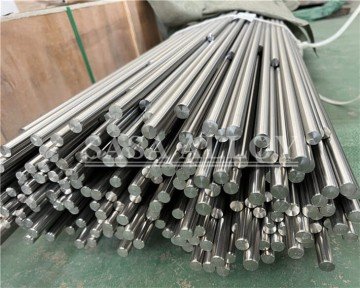
In high-performance industries such as aerospace, marine, chemical processing, and medical technology, the mechanical integrity of materials is paramount. One of the most critical mechanical properties tested for titanium products is tensile strength. This measurement ensures that titanium bars can withstand the stress and load of real-world applications without failure. Understanding how tensile strength is tested—and what the results mean—is essential for engineers, procurement specialists, and manufacturers alike.
This comprehensive SEO article explains the tensile strength test for titanium bars, including the procedures, standards, interpretations, and applications of results. If you are sourcing or working with titanium materials, this guide will help you evaluate quality and suitability.
Brought to you by sakyalloy, a global supplier of certified titanium and specialty alloy bars for demanding industrial environments.
What Is Tensile Strength?
Tensile strength refers to the maximum amount of tensile (pulling) stress that a material can withstand before breaking or failing. It is expressed in megapascals (MPa) or pounds per square inch (psi).
Tensile testing of titanium bars determines:
-
Yield strength: The point where plastic deformation begins
-
Ultimate tensile strength (UTS): The maximum stress before failure
-
Elongation: How much the material stretches before breaking
-
Reduction of area: How much the cross-sectional area shrinks under tension
These values are critical for determining a titanium bar’s suitability for structural and pressure-bearing applications.
Why Tensile Testing Is Crucial for Titanium Bars
Titanium bars are used in components where weight savings, mechanical performance, and safety are essential. For example:
-
Aerospace bolts and landing gear shafts
-
Offshore drilling rig connectors
-
Medical bone implants
-
High-speed rotating shafts in motorsport
A tensile test ensures that the titanium bar can perform under these conditions without unexpected failure.
sakyalloy provides titanium bars with tensile test results documented in EN10204 3.1 or 3.2 certificates to meet international quality standards.
International Standards for Titanium Tensile Testing
Tensile testing for titanium bars is regulated by globally recognized standards, including:
-
ASTM B348: For titanium and titanium alloy bars
-
ASTM E8/E8M: Standard test method for tension testing of metallic materials
-
ISO 6892-1: Tensile testing standard for metallic materials at room temperature
-
AMS specifications: Aerospace material standards
sakyalloy ensures compliance with all major standards and can provide dual-certified materials upon request.
Tensile Testing Equipment and Setup
The test is performed using a universal testing machine (UTM). Here is how the setup works:
-
Specimen Preparation:
-
The titanium bar is machined to a standardized gauge length and diameter.
-
Surface finish and dimensional tolerances must meet the standard.
-
-
Gripping the Specimen:
-
The specimen is clamped in the machine’s grips to prevent slippage during loading.
-
-
Loading and Stretching:
-
The machine applies a steadily increasing tensile force along the length of the bar.
-
Load and extension are continuously recorded.
-
-
Fracture and Data Capture:
-
The test continues until the specimen fractures.
-
Stress-strain curves are generated to calculate key properties.
-
Key Results of a Titanium Tensile Strength Test
The test provides four essential data points:
1. Yield Strength (YS)
-
The stress at which the bar starts to deform permanently.
-
For Grade 5 titanium: typically ~830 MPa.
2. Ultimate Tensile Strength (UTS)
-
The highest stress the bar can withstand before breaking.
-
For Grade 5 titanium: ~895–960 MPa.
3. Elongation at Break
-
Expressed as a percentage; how much the bar stretches before failure.
-
High elongation indicates better ductility.
4. Reduction of Area
-
The percentage reduction in cross-sectional area at fracture.
These results validate the material’s performance under real-world stress conditions.
Interpreting Tensile Test Data for Different Titanium Grades
| Grade | Yield Strength (MPa) | UTS (MPa) | Elongation (%) |
|---|---|---|---|
| Grade 1 | ~170–240 | ~240–290 | ~24–30 |
| Grade 2 | ~275–350 | ~345–450 | ~20–25 |
| Grade 4 | ~480–550 | ~550–650 | ~15–20 |
| Grade 5 | ~830–880 | ~895–960 | ~10–15 |
| Grade 23 | ~795–860 | ~860–930 | ~12–15 |
Lower grades offer higher ductility; higher grades offer increased strength but reduced elongation.
sakyalloy supplies these grades with full mechanical property verification and test certificates.
Tensile Testing Conditions and Variables
Several factors can affect test results:
-
Temperature: Standard tests are at room temperature. Elevated temperature tests are possible for high-temperature applications.
-
Strain rate: Slower strain rates can yield more accurate ductility data.
-
Grain structure: Affects yield strength and elongation.
-
Surface defects or inclusions: These can reduce strength.
Proper sample preparation and calibration of the testing machine are essential for accurate results.
Applications Where Tensile Strength Data Is Critical
Aerospace
-
Fasteners, airframe structures, jet engine components
-
Require certification to AMS standards with tensile strength verification
Marine & Offshore
-
Subsea connectors, risers, heat exchangers
-
Require both strength and corrosion resistance
Medical
-
Bone plates, dental rods, prosthetics
-
High strength and biocompatibility tested with strict tensile specs
Motorsport & Automotive
-
Lightweight, high-load shafts, suspension systems
-
Require fatigue and tensile strength optimization
sakyalloy offers titanium bars custom-cut and tested for these applications with traceable MTCs.
Testing Certification and Reporting
A reliable titanium bar supplier should provide the following documents:
-
Mill Test Certificate (MTC) EN10204 3.1 / 3.2
-
Stress-strain curve (graphical format)
-
Mechanical properties summary
-
Material standard compliance (e.g., ASTM B348, ISO, AMS)
sakyalloy includes all tensile test results in the delivery documentation, ensuring traceability and performance assurance.
Summary: Why Tensile Strength Testing Matters
| Aspect | Benefit |
|---|---|
| Confirms material quality | Ensures compliance with specifications |
| Validates performance | Predicts behavior under mechanical load |
| Assists in design | Engineers can safely size components |
| Detects defects | Highlights manufacturing inconsistencies |
Tensile testing is not just a compliance measure—it is a guarantee of reliability, especially in mission-critical applications.
Why Choose sakyalloy for Tested Titanium Bars?
-
Wide range of titanium grades: Grade 1 to Grade 23
-
Certified tensile testing per ASTM, ISO, and AMS standards
-
Ultrasonic, chemical, and mechanical testing included
-
Fast delivery with global logistics and export packaging
-
Expert consultation for material selection and specs
sakyalloy ensures that every titanium bar you receive has passed rigorous tensile strength testing and meets your performance requirements.
Conclusion
Tensile strength testing is a fundamental part of quality assurance in the titanium supply chain. It provides the confidence that the material will perform as expected under stress, which is critical for safety, durability, and design accuracy.
Whether you are sourcing titanium for aerospace, medical, marine, or industrial use, understanding tensile strength testing—and working with a certified supplier like sakyalloy—will help you make informed and reliable decisions.