
Titanium Bar vs Copper Bar: Key Differences
When it comes to selecting materials for electrical, industrial, chemical, or marine applications, titanium bars and copper bars are often compared for their unique sets of properties. Both metals are versatile, but they serve very different purposes based on their mechanical, thermal, electrical, and corrosion-resistant characteristics.
This comprehensive article highlights the key differences between titanium bars and copper bars, helping engineers, buyers, and project managers understand which material is best suited for their application.
sakyalloy
Overview of Titanium and Copper Bars
Titanium Bar
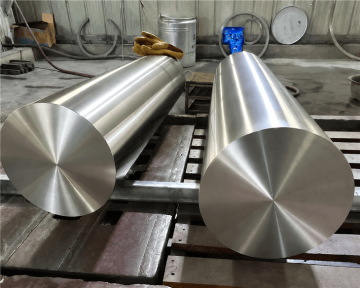
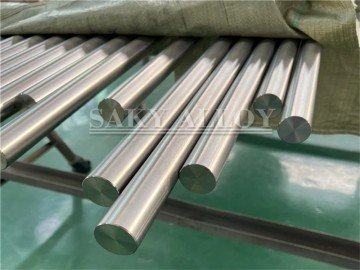
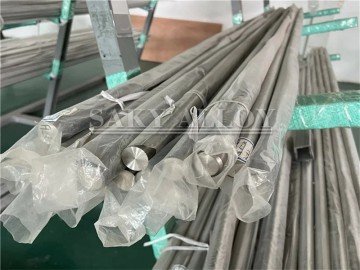
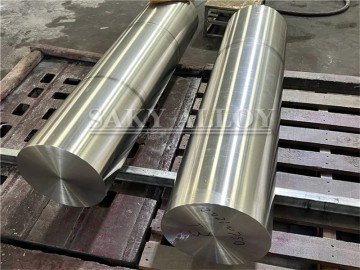
Titanium is a transition metal known for its high strength-to-weight ratio and superior corrosion resistance. It is widely used in aerospace, marine, medical, and chemical processing industries. Common grades include:
-
Grade 2 (Commercially Pure Titanium)
-
Grade 5 (Ti-6Al-4V Alloy)
Copper Bar
Copper is a reddish-gold metal renowned for its exceptional electrical and thermal conductivity. It is used extensively in electrical systems, construction, plumbing, and electronics.
Mechanical Properties Comparison
| Property | Titanium (Grade 5) | Copper (C11000) |
|---|---|---|
| Density (g/cm³) | 4.5 | 8.96 |
| Tensile Strength (MPa) | ~950 | ~210 |
| Yield Strength (MPa) | ~880 | ~70 |
| Modulus of Elasticity (GPa) | 114 | 110 |
| Hardness (HB) | 330 | 80 |
Analysis: Titanium offers far greater strength and hardness, making it suitable for high-stress or load-bearing applications. Copper, while softer, is easier to bend and form.
Winner for strength: Titanium Bar
Corrosion Resistance
-
Titanium is highly resistant to most acids, chlorides, and saltwater. It forms a passive oxide layer that self-heals, offering long-term resistance in marine and chemical environments.
-
Copper is generally corrosion-resistant in atmospheric conditions but susceptible to oxidation, ammonia, and chlorides, especially in marine applications.
Winner for corrosion resistance: Titanium Bar
Electrical Conductivity
-
Copper is one of the best conductors of electricity, with a conductivity of ~100% IACS (International Annealed Copper Standard).
-
Titanium has very poor electrical conductivity — approximately 3.1% IACS.
Winner for conductivity: Copper Bar
Thermal Conductivity
| Property | Titanium (W/m·K) | Copper (W/m·K) |
|---|---|---|
| Thermal Conductivity | ~21.9 | ~398 |
Copper is 18 times more thermally conductive than titanium, making it the preferred choice in heat exchangers, radiators, and heat sinks.
Winner for heat transfer: Copper Bar
Weight Comparison
-
Titanium’s density: 4.5 g/cm³
-
Copper’s density: 8.96 g/cm³
Titanium is nearly 50% lighter than copper, a major advantage in weight-sensitive industries like aerospace, marine, and high-performance automotive.
Winner for lightweight applications: Titanium Bar
Machinability and Fabrication
-
Copper is easy to cut, drill, form, and solder, making it ideal for electrical and plumbing systems.
-
Titanium requires special tooling and techniques due to its work-hardening behavior and low thermal conductivity.
Winner for fabrication ease: Copper Bar
Applications: Titanium vs Copper Bar
| Industry/Application | Preferred Material | Reason |
|---|---|---|
| Electrical Systems | Copper Bar | Superior electrical conductivity |
| Aerospace Components | Titanium Bar | Lightweight, high strength, and corrosion-resistant |
| Heat Exchangers | Copper Bar | Excellent thermal conductivity |
| Marine Hardware | Titanium Bar | Saltwater corrosion resistance |
| Chemical Reactors | Titanium Bar | Resistance to acidic and chlorinated environments |
| Busbars and Transformers | Copper Bar | Efficient current flow and thermal dissipation |
| Orthopedic Implants | Titanium Bar | Biocompatibility and strength |
| Decorative Architecture | Copper Bar | Appealing aesthetic and malleability |
Cost Consideration
Titanium is significantly more expensive than copper, due to:
-
More difficult extraction and refinement processes
-
Higher machining and handling costs
-
Limited global supply
Copper is more affordable and widely available, making it a cost-effective solution for large-volume electrical or architectural projects.
Winner for cost-efficiency: Copper Bar
Environmental and Recycling Considerations
-
Copper is 100% recyclable without loss of properties, and the recycling industry for copper is mature and widespread.
-
Titanium is also recyclable but involves more complex and expensive processes.
Both materials are environmentally sustainable, but copper has broader recycling infrastructure.
Winner for recyclability: Copper Bar
Summary Comparison Table
| Feature | Titanium Bar | Copper Bar |
|---|---|---|
| Strength | Higher | Lower |
| Weight | Lighter | Heavier |
| Corrosion Resistance | Excellent | Good in air, poor in chlorides |
| Electrical Conductivity | Very Low | Very High |
| Thermal Conductivity | Low | Very High |
| Machinability | Moderate to Difficult | Easy |
| Cost | High | Lower |
| Recyclability | Moderate | Excellent |
sakyalloy offers premium-grade titanium bars tailored for demanding industries such as aerospace, subsea, and chemical processing. Our products comply with ASTM B348 and other international standards to ensure top performance.
sakyalloy
When to Choose Titanium Bar
-
When operating in marine, acidic, or chloride-rich environments
-
If weight reduction and high strength are critical
-
For biocompatible medical or aerospace components
-
When long-term performance and durability are key concerns
When to Choose Copper Bar
-
For electrical busbars, wiring, and conductors
-
When high thermal conductivity is required
-
In cost-sensitive industrial or construction applications
-
For decorative or structural use in architecture and design
Conclusion
Choosing between a titanium bar and a copper bar ultimately depends on your application’s specific demands. Titanium stands out in environments that demand corrosion resistance, strength, and weight savings, while copper remains unbeatable in applications needing high conductivity and ease of fabrication.
At sakyalloy, we provide material solutions that align with your performance goals, compliance requirements, and budget. Whether you’re designing cutting-edge chemical equipment or building high-efficiency electrical infrastructure, we’ll help you choose the right metal for lasting success.