
Titanium Bar Welding Techniques and Tips
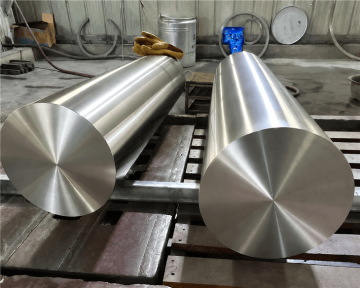
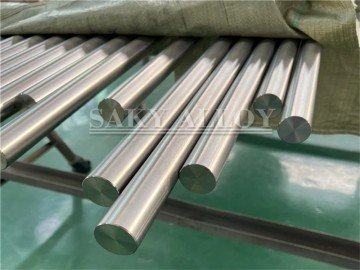
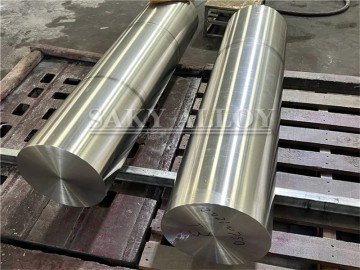
Titanium is a versatile and high-performance metal, known for its strength, corrosion resistance, and lightweight properties. These characteristics make titanium bar welding essential in various industries such as aerospace, medical devices, automotive, and marine applications. However, welding titanium presents unique challenges due to its reactive nature and sensitivity to contaminants. In this article, we will discuss the best welding techniques for titanium bars, provide helpful tips for achieving high-quality welds, and explore how SAKYALLOY ensures the highest standards in titanium bar manufacturing and welding processes.
1. Why is Welding Titanium Different?
Titanium is a reactive metal that forms a strong oxide layer when exposed to oxygen at high temperatures. This oxide layer can affect the quality of the weld, making it more susceptible to defects such as cracking or poor fusion. As a result, welding titanium requires specialized techniques to protect the metal from contamination and oxidation during the welding process.
Additionally, titanium’s high strength and low thermal conductivity make it more difficult to weld compared to other metals. Proper control of heat input, shielding, and cleanliness is crucial to achieving high-quality welds that maintain the metal’s integrity.
2. Common Welding Methods for Titanium Bars
Several welding techniques can be used for titanium bar welding, depending on the specific requirements of the application, including the desired strength, appearance, and durability of the weld. Below are the most commonly used welding methods for titanium:
2.1 Tungsten Inert Gas (TIG) Welding
TIG welding, also known as Gas Tungsten Arc Welding (GTAW), is the most common and preferred method for welding titanium bars. This technique uses a non-consumable tungsten electrode to create an arc, while a shielding gas (usually argon or a mixture of argon and helium) protects the molten weld pool from atmospheric contamination. The high degree of control over the heat input and the ability to produce clean, precise welds make TIG welding ideal for titanium.
Advantages of TIG Welding for Titanium:
-
Produces high-quality, clean, and strong welds.
-
Minimal spatter and distortion.
-
Allows for precise control of the heat input.
-
Suitable for welding thin and thick sections of titanium.
Tips for TIG Welding Titanium:
-
Clean the Surface: Titanium is highly sensitive to surface contaminants such as oils, dirt, or oxidation. Prior to welding, clean the titanium surface thoroughly using a stainless steel brush, solvent, or abrasive pad.
-
Shielding Gas: Use high-purity argon (99.9%) or a mixture of argon and helium to provide adequate shielding and prevent oxidation. Ensure the gas flow rate is consistent and sufficient to protect the weld pool.
-
Control Heat: Titanium is susceptible to overheating, which can lead to distortion or poor weld quality. Keep the heat input as low as possible and use a controlled technique to avoid overheating the material.
SAKYALLOY provides high-quality titanium bars that are perfectly suited for TIG welding, ensuring excellent results for precision applications.
2.2 Metal Inert Gas (MIG) Welding
MIG welding, also known as Gas Metal Arc Welding (GMAW), is less commonly used for titanium compared to TIG welding, but it can still be an effective method for certain applications. MIG welding uses a consumable wire electrode and a shielding gas to create a weld. For titanium, MIG welding requires careful control of heat input and shielding to avoid oxidation.
Advantages of MIG Welding for Titanium:
-
Faster than TIG welding, making it suitable for high-volume production.
-
Suitable for welding thicker sections of titanium.
-
Less skill required compared to TIG welding for beginner welders.
Tips for MIG Welding Titanium:
-
Proper Shielding Gas: Use pure argon or a mixture of argon and helium for shielding the weld pool and preventing oxidation.
-
Electrode Size: Use a smaller electrode to prevent excessive heat input and ensure more precise welds.
-
Preheat if Necessary: In certain applications, it may be beneficial to preheat the titanium to reduce thermal stresses and avoid cracking.
2.3 Plasma Arc Welding (PAW)
Plasma arc welding (PAW) is another technique used for titanium welding, which is similar to TIG welding but with a more focused arc. PAW can be used for both thin and thick sections of titanium and provides excellent control over the weld pool. It also reduces the heat-affected zone, minimizing the risk of distortion.
Advantages of PAW Welding for Titanium:
-
High precision and focused arc for better control.
-
Minimal heat distortion and narrow heat-affected zone.
-
Suitable for automation in high-production environments.
Tips for PAW Welding Titanium:
-
Shielding Gas: Use pure argon or a mixture of argon and hydrogen for the shielding gas.
-
Torch Control: Maintain a steady hand and consistent speed to avoid overheating and ensure consistent weld bead formation.
2.4 Electron Beam Welding (EBW)
Electron beam welding (EBW) is an advanced welding technique that uses a high-velocity electron beam to generate the heat required to melt titanium. EBW is used for specialized applications where high precision and minimal heat-affected zones are required.
Advantages of EBW Welding for Titanium:
-
Extremely precise welds with minimal distortion.
-
Ideal for welding thick titanium sections or joints with complex geometries.
-
Suitable for vacuum or low-pressure environments.
Tips for EBW Welding Titanium:
-
Vacuum Environment: Ensure that the welding chamber is properly evacuated to prevent contamination.
-
Control Speed: Maintain a consistent speed and focus on controlling the heat input to avoid excess heat buildup in the material.
3. Key Considerations for Titanium Bar Welding
When welding titanium bars, there are several key considerations to ensure that the welds are of high quality, strong, and durable:
3.1 Cleanliness is Crucial
Titanium is highly sensitive to contamination, which can cause defects like porosity, embrittlement, or poor fusion. It is essential to thoroughly clean the titanium bars before welding to remove any contaminants such as oils, dirt, or oxide layers. Use stainless steel brushes, solvent cleaning, or abrasive pads to clean the surface.
3.2 Shielding Gas and Protection
Proper shielding is essential to protect the titanium from atmospheric contamination during the welding process. Argon, or a mixture of argon and helium, is typically used for shielding titanium during welding. For high-quality welds, the entire weld pool, including the back side of the weld, must be protected from oxygen, nitrogen, and hydrogen, which can lead to oxidation or brittleness.
3.3 Heat Control
Titanium has low thermal conductivity, meaning it heats up quickly and can easily overheat, leading to distortion or poor weld quality. It is crucial to control the heat input during the welding process. Avoid excessive heat by using a low amperage setting, short welding passes, and pre-heating the material when necessary.
3.4 Post-Weld Treatment
Post-weld heat treatment or stress-relieving processes may be required to reduce internal stresses in the welded titanium bar and enhance its mechanical properties. These processes help to improve the bar’s overall strength and durability.
4. Why Choose SASYALLOY for Titanium Bars?
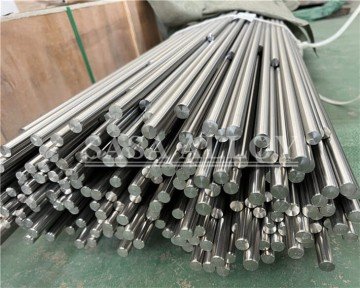
At SAKYALLOY, we provide high-quality titanium bars suitable for welding applications in industries such as aerospace, automotive, and medical devices. Our titanium bars are manufactured to meet stringent quality standards, ensuring that they are ready for precision welding. Whether you need titanium bars for welding in aerospace components or medical implants, SAKYALLOY guarantees reliability and performance.
By selecting SAKYALLOY for your titanium bar requirements, you can be confident that you’re getting a product that is built for quality, durability, and easy weldability. We provide the necessary support and guidance to ensure that your welding process yields the best results.
5. Conclusion
Welding titanium bars requires careful attention to detail, including proper material preparation, control of heat input, and the use of suitable welding techniques. TIG welding remains the most commonly used method for titanium bar welding, offering high precision and minimal contamination. However, methods like MIG welding, plasma arc welding, and electron beam welding can also be used depending on the application.
By following the tips and best practices outlined in this article, you can achieve high-quality welds that maintain the strength and integrity of the titanium material. SAKYALLOY offers high-quality titanium bars that are optimized for welding, ensuring the best performance in demanding applications.