
Titanium Grade 11 vs Grade 2: Which Alloy Suits Your Application?
Titanium and titanium alloys continue to grow in popularity across global industries due to their exceptional strength-to-weight ratio, corrosion resistance, and biocompatibility. Among the commercially pure titanium grades, Grade 2 and Grade 11 are two of the most widely used materials for industrial, chemical, and marine applications. Although both grades fall under the commercially pure titanium category, they possess distinct characteristics that influence their performance, durability, and suitability for specific working environments.
This article provides a comprehensive comparison between Titanium Grade 11 and Titanium Grade 2, examining their chemical composition, mechanical strength, corrosion behavior, welding properties, cost considerations, and ideal applications. As major titanium suppliers such as sakyalloy continue to supply high-purity materials to critical industries, understanding these differences helps engineers, designers, and procurement teams select the alloy that best fits their operational needs.
1. Introduction to Commercially Pure Titanium Grades
Commercially pure (CP) titanium grades range from Grade 1 to Grade 4, each offering a different balance of strength and ductility. These grades are defined predominantly by their oxygen content, which directly influences mechanical strength. Grade 2 and Grade 11 are similar in purity but differ in one significant aspect: the addition of palladium (Pd) in Grade 11.
1.1 Titanium Grade 2 Overview
Titanium Grade 2 is known for:
-
Excellent corrosion resistance
-
Moderate strength
-
High ductility
-
Good formability
-
Strong performance in seawater and mildly corrosive environments
It is one of the most commonly used titanium grades, particularly in chemical processing, heat exchangers, and marine hardware.
1.2 Titanium Grade 11 Overview
Titanium Grade 11 is essentially Grade 2 with a small addition of palladium (0.12 to 0.25 percent), which significantly enhances corrosion resistance in reducing acids and crevice environments. This makes Grade 11 a premium choice for:
-
Harsh chemical processing
-
High-chloride environments
-
Reducing acid exposure
Industries often select Grade 11 when stronger corrosion protection is required without transitioning to much more expensive titanium alloys.
2. Chemical Composition Differences
The key difference between the two grades lies in palladium content.
2.1 Composition of Grade 2
-
Titanium (Ti): balance
-
Oxygen (O): 0.25 percent max
-
Iron (Fe): 0.3 percent max
-
Carbon, nitrogen, hydrogen: trace limits
2.2 Composition of Grade 11
-
Titanium (Ti): balance
-
Palladium (Pd): 0.12 to 0.25 percent
-
Oxygen (O): 0.25 percent max
-
Other elements: similar to Grade 2
Even this small amount of palladium dramatically improves corrosion behavior, especially in reducing media.
3. Mechanical Properties Comparison
While both grades share similarities, the slight compositional differences influence mechanical performance.
Grade 2 Mechanical Properties
-
Tensile strength: 344 MPa
-
Yield strength: 275 MPa
-
Elongation: 20 percent minimum
-
Modulus of elasticity: 103 GPa
Grade 11 Mechanical Properties
-
Tensile strength: 331 MPa
-
Yield strength: 241 MPa
-
Elongation: 24 percent minimum
Interpretation
Grade 2 exhibits marginally higher tensile and yield strength, while Grade 11 offers slightly better ductility. In most real-world applications, the performance difference is negligible, and the selection depends more on corrosion requirements than mechanical factors.
4. Corrosion Resistance: The Key Differentiator
Corrosion behavior is where Grade 11 outperforms Grade 2 significantly.
4.1 Performance of Titanium Grade 2
Grade 2 offers excellent resistance to:
-
Seawater
-
Brackish water
-
Oxidizing acids
-
Organic compounds
-
Alkaline environments
However, its resistance decreases in:
-
Reducing acids
-
Strong chlorides in low-oxygen environments
-
Crevice or stagnant conditions
4.2 Performance of Titanium Grade 11
The addition of palladium improves resistance in:
-
Reducing acids (sulfuric, formic, and phosphoric)
-
Crevice corrosion zones
-
High-chloride process streams
-
Low-pH environments
Grade 11’s self-healing passive film recovers faster when exposed to corrosive attack, making it the preferred choice for aggressive chemical conditions.
4.3 Industrial Implications
When corrosion risk is high or unpredictable, Grade 11 is often selected to ensure long-term durability and reduced maintenance.
5. Weldability and Fabrication
Both grades provide excellent weldability, but specific considerations are important.
5.1 Welding Grade 2
-
Easy to weld using standard titanium procedures
-
Very low risk of embrittlement
-
Ideal for complex welded structures
5.2 Welding Grade 11
-
Weldability similar to Grade 2
-
Palladium addition slightly increases cost of weld consumables
-
Provides superior post-weld corrosion resistance in aggressive applications
5.3 Fabrication and Forming
Both grades are:
-
Easy to cold-form
-
Good for machining with proper cooling
-
Suitable for rolling, bending, and deep drawing
Grade 2 is often preferred in projects requiring extensive forming due to its superior availability and lower cost.
6. Cost Considerations
Material cost is a significant factor in alloy selection.
6.1 Grade 2 Cost
Grade 2 is one of the most economical titanium grades due to:
-
High availability
-
Simpler chemical composition
-
Widely established production processes
6.2 Grade 11 Cost
Grade 11 is more expensive than Grade 2 because:
-
Palladium is a precious metal
-
Manufacturing requires tighter quality controls
Despite the higher cost, Grade 11 reduces long-term maintenance and replacement expenses in harsh chemical service applications.
6.3 Cost-to-Performance Evaluation
Grade 2 is suitable for standard corrosion environments, while Grade 11 is more cost-effective for environments where severe corrosion could lead to premature failure.
7. Typical Applications of Grade 2 and Grade 11
7.1 Titanium Grade 2 Applications
Commonly used in:
-
Heat exchangers and condensers
-
Marine components and offshore structures
-
Chemical processing equipment
-
Oil and gas piping systems
-
Architectural structures
-
Medical devices
-
Automotive and aerospace hardware
Grade 2 is preferred for general-purpose applications requiring moderate strength and corrosion resistance.
7.2 Titanium Grade 11 Applications
Typically used in:
-
Strong reducing acid environments
-
High-chloride production lines
-
Chemical reactors and pressure vessels
-
Desalination and high-salinity water systems
-
Piping systems requiring maximum corrosion protection
-
Electrochemical and hydrometallurgical processes
Grade 11 serves industries that demand higher corrosion resistance without transitioning to costly titanium alloys like Grade 7 or Grade 12.
8. Performance in Key Industrial Sectors
8.1 Chemical Processing
Grade 11 is widely used due to its resistance to:
-
Sulfuric acid
-
Phosphoric acid
-
Wet chlorine
-
Hydrochloric acid vapors
Grade 2 is sufficient for oxidizing acids and mild chemical environments.
8.2 Marine and Offshore
Both grades perform well, but Grade 11 offers longer service life in:
-
High-temperature seawater
-
Stagnant or low-oxygen marine zones
-
Environments prone to crevice corrosion
8.3 Power Generation
Titanium’s low thermal expansion and corrosion resistance make both grades ideal for heat exchangers and condensers.
8.4 Oil and Gas
Grade 2 is used in offshore water systems, while Grade 11 is preferred for sour service and high-chloride systems.
9. Selecting the Right Grade for Your Application
To determine whether Grade 2 or Grade 11 is the ideal material, consider the following criteria.
9.1 Select Grade 2 if you need:
-
A cost-effective titanium solution
-
Good general corrosion resistance
-
Excellent formability
-
Material for marine, architectural, or moderate chemical conditions
9.2 Select Grade 11 if you need:
-
Corrosion resistance in harsh reducing environments
-
Long-term durability in high-chloride or stagnant conditions
-
Superior crevice corrosion protection
-
Maximum reliability in chemical production
9.3 When in doubt
Choosing Grade 11 often provides better long-term protection and minimizes the risk of unexpected material failures.
10. Industry Adoption and Market Trends
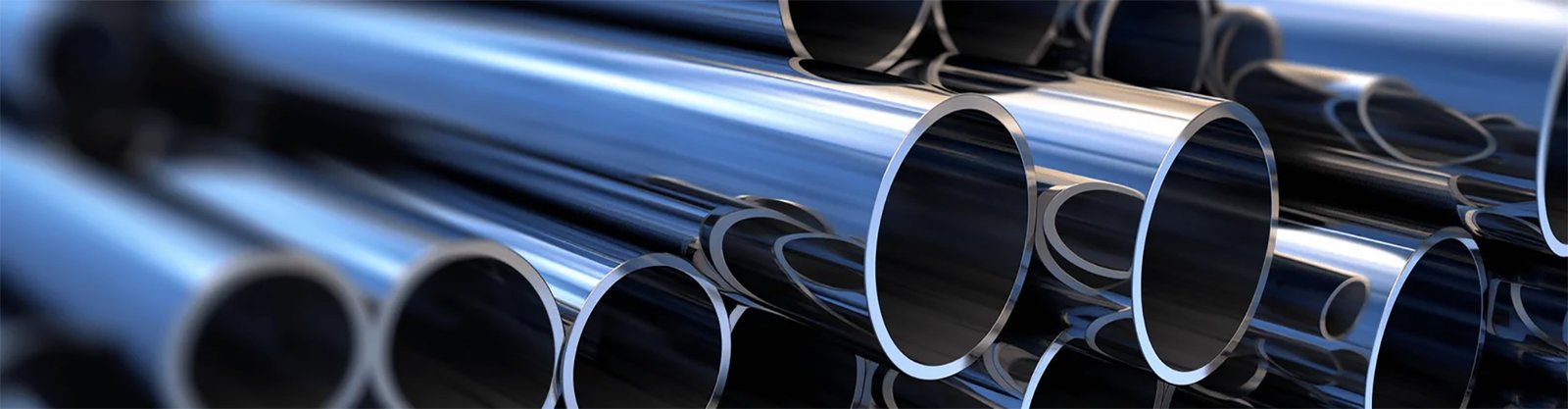
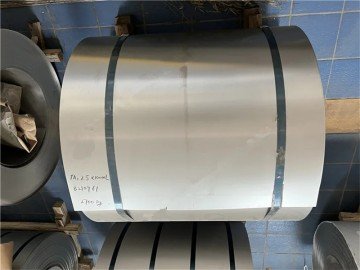
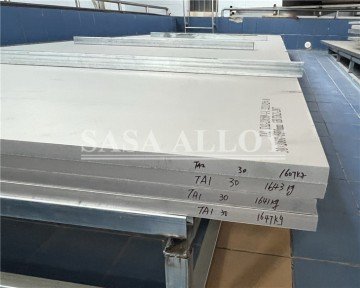
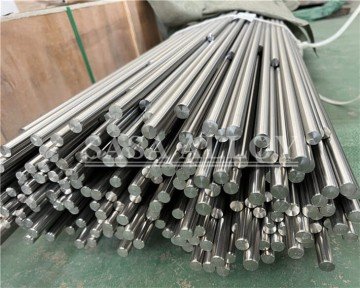
The global shift toward corrosion-resistant materials is increasing the demand for both titanium grades. Manufacturers and suppliers such as sakyalloy support industries by providing high-purity Titanium Grade 2 and Grade 11 bars, sheets, tubes, and custom components that meet international standards.
Current trends include:
-
Rising demand for titanium in renewable energy
-
Increased use in offshore wind and desalination technology
-
Growth of titanium heat exchangers in chemical plants
-
Higher specifications for corrosion-resistant alloys in refinery upgrades
These trends indicate sustained growth for both grades, with Grade 11 gaining traction in advanced chemical engineering applications.
11. Conclusion
Titanium Grade 2 and Titanium Grade 11 are two of the most versatile and widely used commercially pure titanium alloys. While they share many characteristics, including excellent corrosion resistance, high ductility, and superb weldability, their differences make them suitable for different operating environments.
Titanium Grade 2 is the best choice for general industrial use, offering a balance of performance and cost. It is ideal for marine, architectural, and moderate chemical exposure.
Titanium Grade 11, enhanced with palladium, provides superior corrosion resistance in aggressive reducing or high-chloride conditions. It is the material of choice for demanding chemical processing, desalination, and offshore applications.