
Titanium Machining Parts: What Designers Should Know Before Ordering
Introduction
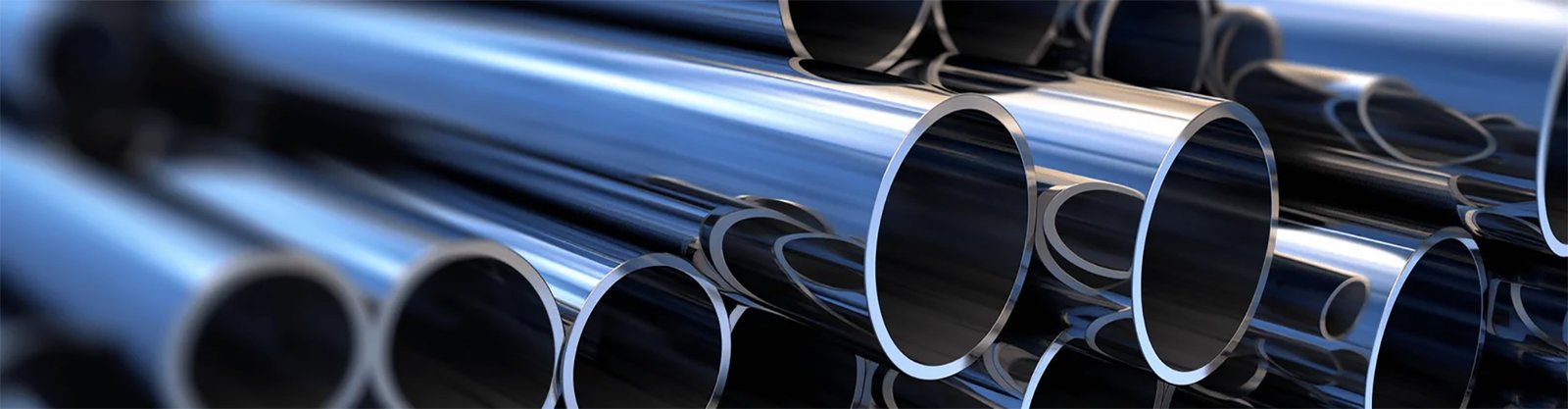
Titanium Machining Parts are precision components produced from titanium bar, billet, plate, forging or tube by turning, milling, drilling, grinding, electrical discharge machining and other controlled processes. They are used in aerospace structures, chemical-processing equipment, medical devices, marine systems, valves, pumps and high-performance machinery. Designers should specify the titanium grade, raw-material standard, heat-treatment condition, finished dimensions, tolerances, surface finish, inspection level and material traceability before ordering.
Key Takeaways: Grade 2 is commonly selected for corrosion-resistant industrial parts that need good ductility and weldability. Grade 5 Ti-6Al-4V is preferred for high-strength shafts, fasteners, brackets and aerospace components. Grade 23 Ti-6Al-4V ELI is used where tighter interstitial-element control, toughness and medical or critical-service requirements apply. Titanium cannot be machined using the same assumptions as aluminum or free-machining steel because it retains strength at the cutting edge, conducts heat poorly and can react with tools at elevated temperature.
A complete RFQ should identify the final component rather than requesting only “custom titanium parts.” Raw-stock size, machining allowance, thread standard, geometric tolerance, drawing revision, inspection plan and permitted surface treatment directly affect production cost and delivery time.
What Are Titanium Machining Parts?
Titanium machining parts are finished or semi-finished components shaped by material-removal processes. Common forms include flanges, valve stems, shafts, sleeves, threaded connectors, impellers, housings, medical instrument components, aerospace fittings and drawing-based custom hardware.
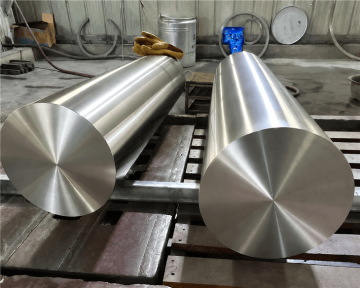
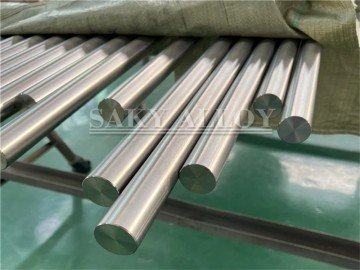
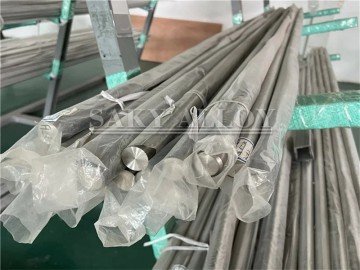
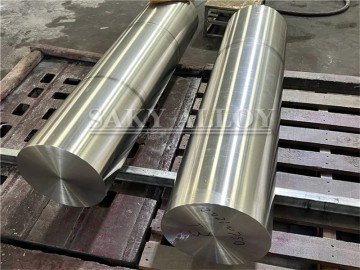
The production route normally starts with certified titanium bar, plate, forging or tube. The material is cut into blanks, rough machined, inspected, finish machined and cleaned. Critical parts may also require heat treatment, nondestructive examination, passivation, pickling, polishing, dimensional inspection or third-party witnessing.
Typical Product Data and Ordering Parameters
| Specification Item | Typical Options | Designer Check |
|---|---|---|
| Titanium Grade | Grade 1, Grade 2, Grade 4, Grade 5, Grade 7, Grade 9, Grade 12 or Grade 23 | Select by strength, corrosion environment, temperature and certification requirements. |
| Raw Material Form | Bar, billet, plate, forging, tube or near-net blank | Choose a form that minimizes machining waste and preserves required properties. |
| Machining Process | Turning, milling, drilling, thread milling, grinding, EDM or waterjet pre-cutting | Identify difficult internal features, deep holes and thin walls early. |
| Tolerance | General tolerance or drawing-based GD&T | Specify datum systems, concentricity, runout, flatness and position requirements. |
| Surface Condition | As machined, polished, ground, pickled, passivated or blasted | State Ra requirement and whether tool marks are permitted. |
Recommended Titanium Grades
Grade selection should begin with the service condition, not with machinability alone. Commercially pure titanium grades generally machine more easily than high-strength alpha-beta alloys, but they provide lower mechanical strength.
| Grade | UNS | Material Character | Machined-Part Direction |
|---|---|---|---|
| Grade 2 | R50400 | Commercially pure titanium with balanced strength, ductility and corrosion resistance | Chemical fittings, valve components, marine hardware and heat-exchanger parts. |
| Grade 5 | R56400 | Ti-6Al-4V alpha-beta alloy with high strength-to-weight ratio | Aerospace fittings, shafts, fasteners, brackets and high-load components. |
| Grade 7 | R52400 | Palladium-alloyed commercially pure titanium | Chemical-processing parts exposed to selected reducing environments. |
| Grade 12 | R53400 | Titanium alloyed with nickel and molybdenum | Process equipment, piping components and elevated-temperature aqueous service. |
| Grade 23 | R56401 | Ti-6Al-4V ELI with tighter interstitial limits | Medical, aerospace and critical parts requiring enhanced toughness or specific certification. |
Chemical Composition Reference
The values below are typical specification limits or ranges for common titanium machining grades. Final acceptance must be based on the ordered standard edition and the actual heat analysis.
| Grade | Al | V | Other Key Limits |
|---|---|---|---|
| Grade 2 | — | — | O up to approximately 0.25%, Fe up to approximately 0.30%, Ti balance. |
| Grade 5 | Approximately 5.5-6.75% | Approximately 3.5-4.5% | O up to approximately 0.20%, Fe up to approximately 0.40%, Ti balance. |
| Grade 7 | — | — | Pd approximately 0.12-0.25%, with commercially pure titanium limits. |
| Grade 23 | Approximately 5.5-6.5% | Approximately 3.5-4.5% | Lower oxygen and iron limits than common Grade 5, subject to specification. |
Mechanical Properties and Design Implications
| Grade | Typical Minimum Tensile Character | Typical Minimum Yield Character | Design Effect |
|---|---|---|---|
| Grade 2 | Around 345 MPa under common annealed bar requirements | Around 275 MPa | Good ductility for corrosion-resistant industrial parts. |
| Grade 5 | Around 895 MPa under common annealed bar requirements | Around 825 MPa | Suitable for compact, high-load and weight-sensitive components. |
| Grade 7 | Generally similar to Grade 2 strength class | Grade- and product-dependent | Selected for corrosion performance rather than maximum strength. |
| Grade 23 | High-strength Ti-6Al-4V ELI class | Lower specification minimums may apply than standard Grade 5 | Tighter chemistry control supports critical and medical applications. |
Property values vary with product form, section size, heat treatment and specification. Designers should not transfer bar properties directly to castings, sheet, forgings or additively manufactured parts without checking the applicable material standard.
Applicable Standards and Certificates
| Reference | Typical Scope | Procurement Check |
|---|---|---|
| ASTM B348/B348M | Titanium and titanium-alloy bars and billets | Common raw-material reference for turned and milled bar components. |
| ASTM B265 | Titanium and titanium-alloy strip, sheet and plate | Applicable when machined blanks originate from plate or sheet. |
| ASTM B381 | Titanium and titanium-alloy forgings | Use for forged blanks, rings, discs and near-net components. |
| ASTM F136 | Wrought Ti-6Al-4V ELI alloy for surgical implant applications | Apply only where the medical design and regulatory documentation require it. |
| EN 10204 | Inspection-document types such as 3.1 and 3.2 | Specify the certificate type at quotation stage. |
An EN 10204 3.1 MTC should identify the heat number, grade, product standard, chemistry, mechanical properties and delivery condition. The finished-part drawing should remain linked to the raw-material heat through job travelers, cut records and package labels.
Machining Considerations Designers Should Address
Heat Concentration and Tool Wear
Titanium has relatively low thermal conductivity, so much of the cutting heat remains near the tool edge. Sharp carbide tools, rigid workholding, controlled cutting speed and effective coolant delivery help limit flank wear and built-up edge. Cutting tools should remain engaged because rubbing can work-harden the surface and increase temperature.
Thin Walls and Distortion
Thin titanium walls can deflect under cutting pressure. Designers should avoid unnecessarily deep pockets, extreme wall-height-to-thickness ratios and inaccessible internal corners. Roughing and finishing passes should leave balanced stock, while temporary support features may be added and removed after machining.
Threads and Small Holes
Titanium can gall during tapping and assembly. Thread milling may offer better control than conventional tapping for critical internal threads. Designers should state the thread system, class, inspection gauge and whether lubricant, coating or anti-seize treatment will be used in service.
Surface Finish and Edge Requirements
Surface roughness should be specified only where function requires it. Sealing faces, bearing surfaces and medical components may need lower Ra values than general structural parts. Sharp edges should be defined using a chamfer or radius rather than the vague instruction “break all edges.”
Material and Process Comparison
| Decision Area | Less Effective Approach | Recommended Approach |
|---|---|---|
| Raw Stock | Large oversize billet for every part | Select bar, plate, tube or forging close to the finished geometry. |
| Tolerance | Apply very tight tolerances to every dimension | Use functional tolerances and GD&T only on critical features. |
| Internal Corners | Specify sharp internal 90-degree corners | Allow practical cutter radii unless EDM is functionally required. |
| Inspection | Request generic “full inspection” | Define dimensional reports, sampling levels, CMM points and NDT criteria. |
| Cost Control | Select Grade 5 for every component | Use Grade 2 where corrosion resistance is required but high strength is not. |
Industrial Applications
| Industry | Typical Machined Parts | Common Grade Direction | Critical Check |
|---|---|---|---|
| Aerospace | Fittings, brackets, shafts and fastener components | Grade 5, Grade 23 or project-specific aerospace alloy | Material specification, UT, traceability and dimensional inspection. |
| Chemical Processing | Valve stems, pump parts, nozzles and connectors | Grade 2, Grade 7 or Grade 12 | Actual chemical concentration, temperature and crevice conditions. |
| Medical | Instrument parts, implant blanks and precision connectors | Grade 4 or Grade 23 where specified | Applicable medical standard, cleanliness and regulatory documentation. |
| Marine | Pins, shafts, fittings and seawater-system hardware | Grade 2 or Grade 5 | Galvanic compatibility, crevice design and surface condition. |
| Energy and Industrial Machinery | Rotors, sleeves, threaded parts and wear-resistant hardware | Grade 5 or application-specific alloy | Fatigue, temperature, mating materials and inspection level. |
Quality Control and Certificate Checklist
Raw-material certification does not by itself certify the finished component. Final parts require dimensional verification against the approved drawing, visual inspection and any specified functional testing.
✅ Confirm the MTC heat number against the raw stock and production traveler.
✅ Review chemistry, tensile properties, grade, condition and applicable material standard.
✅ Use PMI as a supporting alloy-identification check, not as a replacement for complete laboratory chemistry.
✅ Specify UT for large, forged or critical raw stock only with a defined method and acceptance level.
✅ Request a dimensional inspection report for critical drawing features.
✅ Define surface roughness testing where sealing, sliding or fatigue performance depends on finish.
✅ Arrange SGS, BV, TÜV or another third-party inspection before shipment when contractually required.
Common Buyer and Design Mistakes
Specifying only “titanium”: Grade 2 and Grade 5 have very different strength, chemistry, machining behavior and cost.
Applying tight tolerances to nonfunctional features: Unnecessary precision increases machining time, inspection time and rejection risk.
Ignoring tool access: Deep narrow pockets, sharp internal corners and small deep threads can require special tooling or EDM.
Using Grade 5 where Grade 2 is sufficient: The stronger alloy may add material and machining cost without improving service life.
Failing to define thread-galling control: Titanium-to-titanium threaded assemblies may seize without suitable design, surface treatment or lubricant.
Requesting an MTC without finished-part traceability: The supplier should maintain a documented link between the raw-material heat and each finished batch.
Titanium Machining Parts RFQ Checklist
✅ Provide a controlled drawing with revision number and units.
✅ State grade, UNS designation, raw-material standard and condition.
✅ Define dimensions, GD&T, thread requirements and surface roughness.
✅ Identify annual quantity, trial quantity and permitted production method.
✅ List MTC, PMI, UT, CMM report and third-party inspection requirements.
✅ Specify cleaning, marking, individual protection and anti-mix controls.
✅ Define export packaging, package weight, delivery schedule and destination port.
FAQ
What are titanium machining parts?
Titanium machining parts are custom or standard components produced from certified titanium stock by turning, milling, drilling, grinding or other controlled material-removal processes.
Which titanium grade is best for machined parts?
Grade 2 is suitable for corrosion-resistant industrial parts, while Grade 5 is preferred for high-strength structural components. Grade 23 is used where Ti-6Al-4V ELI chemistry or medical and critical-service requirements apply.
Why is titanium difficult to machine?
Titanium conducts heat poorly, retains strength at cutting temperatures and can react with tooling. Rigid setups, sharp tools, controlled speed and effective coolant delivery are required.
What certificates should be requested?
Typical documents include an EN 10204 3.1 MTC, heat-number traceability, dimensional inspection report, PMI report and UT report where the raw-material size or criticality justifies ultrasonic examination.
Related Titanium Products
| Product | Typical Procurement Use |
|---|---|
| Titanium Machining Parts | Drawing-based titanium shafts, fittings, brackets, connectors and precision components. |
| Grade 5 Titanium Machining Parts | High-strength Ti-6Al-4V machined components for aerospace, marine and industrial equipment. |
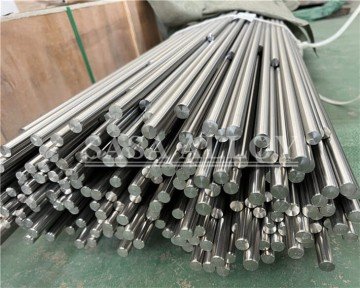
| Titanium Bar | Certified bar stock for turning, milling, fasteners, shafts and precision hardware. |
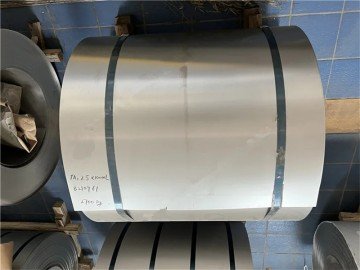
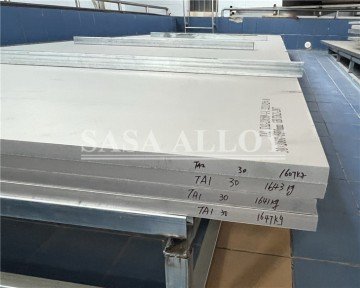
| Titanium Plate and Sheet | Plate and sheet blanks for milled components, housings, flanges and chemical equipment. |
Conclusion
Titanium machining parts deliver high strength-to-weight performance, corrosion resistance and long service life when the grade, raw-material form and design are matched correctly. Grade 2 covers many corrosion-resistant industrial components, while Grade 5 supports higher structural loads and weight-sensitive designs. Grade 23 serves applications requiring tighter chemistry control and specialized documentation.
Request a Titanium Machining Parts Review
Contact SAKY ALLOY for drawing-based titanium machining parts, Grade 2 and Grade 5 material selection, MTC review, PMI testing, ultrasonic testing, CMM inspection, custom surface finish, export packaging and delivery support.
Send the drawing, revision, titanium grade, material standard, quantity, tolerance, surface roughness, inspection documents, application and destination port. Our team will review the manufacturability and prepare a suitable quotation.