
Titanium Pipe Cost Trends in 2024
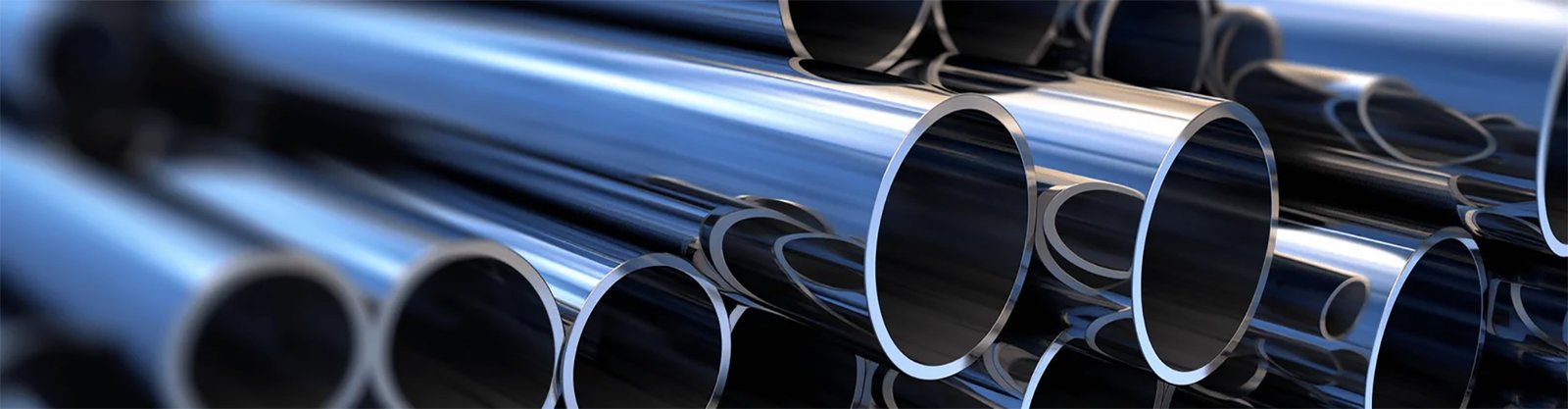
Titanium pipes are essential components in industries that require exceptional strength, corrosion resistance, and longevity. From aerospace and marine engineering to chemical processing and clean energy, titanium piping systems are used where performance and safety are non-negotiable. As we move through 2024, understanding titanium pipe cost trends is crucial for project planners, procurement teams, and decision-makers seeking to balance quality, budget, and timelines.
In this article, we provide a comprehensive analysis of titanium pipe cost trends in 2024, including key factors driving price changes, market dynamics, regional influences, and how trusted suppliers like sakyalloy help customers manage costs effectively.
Overview of Titanium Pipe Pricing in 2024
Titanium pipe prices have historically reflected the balance between global demand, raw material availability, production costs, and supply chain stability. In 2024, several factors are shaping pricing trends:
-
Moderate price increases driven by steady demand from key sectors like aerospace, offshore energy, and chemical processing.
-
Supply chain normalization following disruptions in previous years, helping to stabilize certain cost elements.
-
Regional price variations influenced by local demand, logistics, and currency fluctuations.
Key Factors Affecting Titanium Pipe Costs
1. Raw Material Availability
Titanium pipe costs are closely linked to the price and availability of titanium sponge, the base material from which pipes are produced. In 2024:
-
Supply of titanium sponge is relatively stable, with major producers in China, Japan, and Russia maintaining output.
-
Geopolitical risks remain a consideration, as any disruption in sponge supply can cause sharp price increases.
2. Production and Fabrication Costs
Producing titanium pipes involves specialized equipment, energy-intensive processes, and skilled labor:
-
Energy prices, which saw volatility in recent years, are stabilizing but remain a cost driver.
-
Labor and technology upgrades in pipe mills contribute to slightly higher production costs in 2024.
3. Demand from Key Industries
Titanium pipe demand in 2024 is strong across several sectors:
-
Aerospace and defense projects continue to require high-performance titanium piping systems.
-
Offshore wind and hydrogen infrastructure investments are creating new demand for corrosion-resistant titanium pipes.
-
Chemical and petrochemical industries favor titanium for its lifecycle cost advantages in aggressive environments.
This sustained demand supports firm pricing for titanium pipes globally.
4. Logistics and Transportation
Shipping costs, which spiked during the pandemic, have generally eased in 2024:
-
Freight rates are lower than in previous years, but still above pre-pandemic levels.
-
Regional logistics disruptions, such as port congestion or regulatory changes, can impact delivered costs.
5. Currency Fluctuations
Titanium pipe prices in local markets are affected by currency exchange rates:
-
Buyers in regions with weaker currencies relative to the U.S. dollar or Chinese yuan may see higher effective costs.
-
Exchange rate volatility adds uncertainty for long-term procurement planning.
Regional Titanium Pipe Cost Trends
Asia-Pacific
Asia remains the largest titanium pipe production and consumption region:
-
China: Competitive pricing driven by large-scale production and domestic demand from chemical, marine, and aerospace sectors.
-
Japan and South Korea: Prices are higher due to smaller production volumes and greater focus on specialized grades.
North America
Titanium pipe costs in the U.S. are influenced by:
-
Import reliance for certain pipe sizes and grades.
-
Demand from aerospace, defense, and clean energy projects keeping prices firm.
Europe
European titanium pipe costs are stable but generally higher due to:
-
Environmental regulations affecting processing costs.
-
Increased demand from offshore wind and hydrogen infrastructure.
Forecast: What to Expect for the Remainder of 2024
Titanium pipe prices in 2024 are expected to:
-
Remain firm or see modest increases due to sustained demand and stable raw material pricing.
-
Be influenced by large project orders, especially in energy and aerospace sectors, which could tighten supply and push prices higher in certain sizes or grades.
-
Benefit from supply chain improvements, which may help contain price increases compared to the volatility seen in recent years.
Managing Titanium Pipe Costs: Strategies for Buyers
Plan Early
Longer lead times and sustained demand make advance planning essential. Early engagement with suppliers helps secure material at more favorable prices and ensures availability.
Work with Trusted Suppliers
Partnering with experienced suppliers like sakyalloy offers several advantages:
-
sakyalloy provides certified titanium pipes that meet international standards such as ASTM B861, B862, and ASME specifications.
-
The company offers technical guidance to optimize material selection and reduce overall lifecycle costs.
-
With strong supply chain connections, sakyalloy helps customers mitigate the impact of price fluctuations and availability challenges.
Consider Total Cost of Ownership
Although titanium pipes have higher upfront costs than alternatives like stainless steel, their:
-
Lower maintenance requirements
-
Longer service life
-
Superior performance in harsh environments
often result in lower total cost over the system’s life.
Opportunities in 2024
Despite cost pressures, titanium pipe buyers can benefit from:
-
Technological innovations in fabrication that reduce production costs.
-
Expanding capacity at select mills, improving availability and pricing for standard sizes.
-
Sustainability initiatives that favor materials like titanium for their recyclability and durability.
Conclusion
The titanium pipe cost trends in 2024 reflect a market shaped by steady demand, stable raw material supply, and the continued value that titanium delivers in critical applications. While buyers face challenges such as price firmness and project-driven fluctuations, those who plan ahead and work with reliable partners like sakyalloy can navigate the market successfully.
By focusing on total value — not just initial cost — decision-makers can ensure they invest in piping solutions that deliver long-term performance, safety, and efficiency in even the most demanding environments.