
Titanium Pipe Fabrication Standards: ASTM & ASME
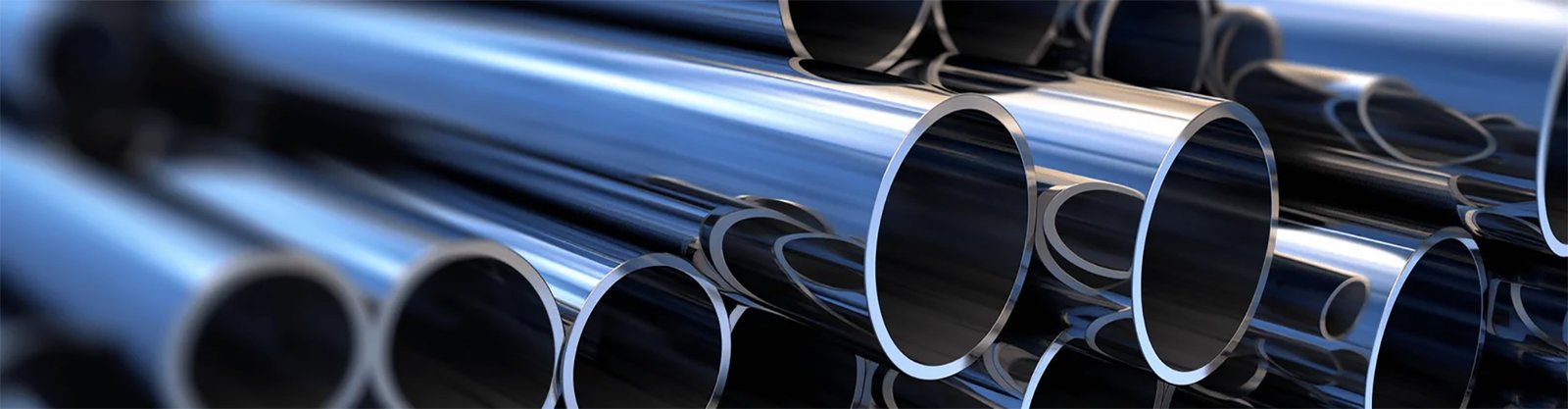
Titanium pipe is an essential material in industries where high strength, corrosion resistance, and long-term reliability are paramount. From aerospace systems to marine structures, from chemical processing plants to medical devices, titanium piping solutions enable critical functions in demanding environments. But to ensure performance, safety, and consistency, titanium pipe fabrication must conform to internationally recognized standards. In this article, we explore titanium pipe fabrication standards: ASTM & ASME, why they matter, and how they guide the production, inspection, and certification of titanium piping systems.
Why Standards Are Essential for Titanium Pipe Fabrication
Titanium pipes often operate in environments where failure could result in significant safety, environmental, or financial consequences. Fabrication standards:
-
Ensure material integrity by specifying chemical composition, mechanical properties, and manufacturing processes.
-
Promote consistency across global supply chains so that products from different manufacturers are interchangeable.
-
Support regulatory compliance for industries governed by safety codes, such as pressure vessel and nuclear power applications.
-
Facilitate traceability and documentation, essential for audits and quality assurance.
-
Provide end users with confidence that piping systems will meet performance expectations.
At sakyalloy, we are committed to producing titanium pipe that meets or exceeds ASTM and ASME standards, ensuring that our customers receive piping solutions of the highest quality.
Overview of ASTM Standards for Titanium Pipe
The American Society for Testing and Materials (ASTM) publishes widely used standards for titanium pipe and tubing. Some of the key ASTM specifications include:
ASTM B861 — Seamless and Welded Titanium Pipe
This specification covers seamless and welded titanium pipe intended for general corrosion-resisting and elevated-temperature service. Key elements include:
-
Chemical composition requirements for commercially pure titanium grades (e.g., Grade 1, Grade 2) and titanium alloys (e.g., Grade 5, Ti-6Al-4V).
-
Tensile strength, yield strength, elongation, and other mechanical property requirements.
-
Manufacturing methods, including allowable welding processes.
-
Dimensional tolerances and surface finish requirements.
-
Test methods for verifying compliance, such as tension testing and hydrostatic pressure testing.
ASTM B862 — Welded Titanium Pipe
This standard specifies requirements for welded titanium pipe produced from flat-rolled titanium or titanium alloy plate or sheet. Applications include chemical processing, marine, and architectural systems. ASTM B862 covers:
-
Welding methods suitable for titanium, such as GTAW (TIG) or plasma arc welding.
-
Requirements for weld seam integrity, including radiographic or ultrasonic testing.
-
Heat treatment conditions for welded pipe.
ASTM B338 — Titanium and Titanium Alloy Seamless and Welded Tubes
Although focused on smaller-diameter tubing, ASTM B338 is relevant where titanium pipe overlaps with tube applications, particularly in heat exchangers and condensers.
Overview of ASME Standards for Titanium Pipe
The American Society of Mechanical Engineers (ASME) sets codes and standards for the design, fabrication, and inspection of pressure piping and vessels. ASME standards for titanium pipe focus on applications where pressure containment and safety are critical.
ASME SB861 / SB862 / SB338
ASME adopts ASTM material specifications into its Boiler and Pressure Vessel Code (BPVC) and B31.3 Process Piping Code. When titanium pipe is supplied for pressure equipment, it must comply with the ASME versions of these ASTM standards (prefixed “SB”). For example:
-
ASME SB861: Titanium seamless and welded pipe for pressure service.
-
ASME SB862: Welded titanium pipe for pressure applications.
-
ASME SB338: Seamless and welded titanium tubing for heat exchangers.
ASME compliance means that titanium pipes are suitable for use in pressure vessels, reactors, heat exchangers, and piping systems governed by ASME codes.
ASME B31.3 — Process Piping
ASME B31.3 defines requirements for design, fabrication, inspection, testing, and safety of piping systems, including those made from titanium. This standard:
-
Specifies design rules for allowable stresses in titanium pipe.
-
Requires documentation of material traceability, inspection reports, and NDT results.
-
Mandates pressure testing (hydrostatic or pneumatic) of fabricated piping systems.
Key Requirements in ASTM & ASME Standards
Both ASTM and ASME standards specify detailed requirements for titanium pipe fabrication:
1. Chemical Composition
Strict limits are placed on the allowable amounts of elements like oxygen, nitrogen, hydrogen, and iron, as well as alloying elements (aluminum, vanadium, molybdenum) for specific titanium grades. This ensures consistent corrosion resistance and mechanical properties.
2. Mechanical Properties
Minimum tensile strength, yield strength, and elongation values are defined for each grade of titanium pipe to ensure adequate performance under load.
3. Manufacturing Methods
Standards detail acceptable manufacturing processes, including:
-
Seamless extrusion or piercing for seamless pipes.
-
Approved welding techniques for welded pipes.
-
Heat treatment conditions for different pipe grades.
4. Dimensional Tolerances
Tolerances are specified for outside diameter, wall thickness, ovality, and straightness to ensure proper fit-up and assembly.
5. Testing and Inspection
ASTM and ASME standards require:
-
Tension testing to verify mechanical properties.
-
Hydrostatic or pneumatic pressure testing of each length of pipe.
-
Non-destructive testing (e.g., ultrasonic or radiographic inspection) for weld seam integrity.
-
Visual inspection for surface defects, cracks, or inclusions.
How Standards Impact Fabrication and Quality Assurance
Conformance to ASTM and ASME standards impacts every stage of titanium pipe production:
-
Material procurement: Only certified raw materials with documented chemical composition are used.
-
Manufacturing processes: Fabrication methods must follow standard-approved practices.
-
Quality control: Comprehensive inspection and testing are performed to validate compliance.
-
Documentation: Material test reports (MTRs), inspection certificates, and NDT records are prepared to support traceability.
At sakyalloy, we integrate these standards into every aspect of our titanium pipe production, from raw material sourcing through final inspection, to provide products that meet the exacting requirements of our global customers.
Why Compliance Matters for End Users
Choosing titanium pipe that complies with ASTM and ASME standards offers significant benefits:
-
Safety assurance: Pipes are proven to withstand specified pressures and operating conditions.
-
Interchangeability: Standardized pipes fit and function in global systems without modification.
-
Regulatory approval: Compliance supports certification under codes like PED (Europe), ASME BPVC (USA), or other national regulations.
-
Reduced liability: Documented compliance protects manufacturers, fabricators, and end users from legal or operational risk.
Applications That Rely on ASTM & ASME-Compliant Titanium Pipe
Titanium pipes fabricated to ASTM and ASME standards are essential in:
-
Chemical processing plants: For transporting corrosive chemicals under pressure.
-
Marine and offshore systems: For seawater cooling, firewater, and ballast piping.
-
Aerospace fuel and hydraulic systems: Where lightweight, high-strength piping is critical.
-
Power generation: In nuclear and geothermal plants, where titanium piping handles high-temperature, high-pressure fluids.
-
Medical equipment: Where certified material traceability and quality assurance are mandatory.
The Role of sakyalloy in Titanium Pipe Fabrication
At sakyalloy, we specialize in supplying titanium pipe that meets or exceeds ASTM and ASME standards. Our products undergo rigorous inspection and testing at every stage to ensure compliance with applicable codes and specifications. We provide complete documentation — including MTRs, NDT reports, and compliance certificates — so customers can be confident that their titanium piping systems are safe, reliable, and code-compliant.
By working with sakyalloy, you gain access to high-quality titanium pipe solutions backed by expert support and global industry experience.
Conclusion
Titanium pipe fabrication standards: ASTM & ASME form the foundation of reliable, high-performance titanium piping systems. By defining the material properties, manufacturing processes, inspection methods, and documentation requirements, these standards ensure that titanium pipes deliver the strength, corrosion resistance, and durability demanded by critical industries.
For titanium pipe solutions that meet the highest quality and safety standards, trust sakyalloy to deliver certified products ready for use in your most demanding applications.