
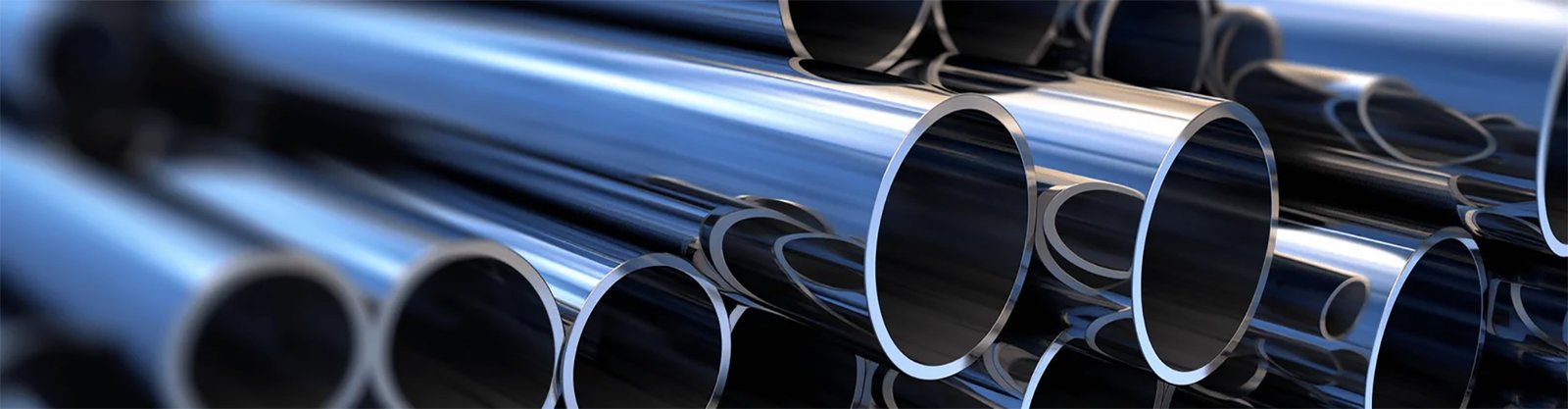
Titanium Pipe in Oil & Gas: Withstanding Harsh Conditions
The oil and gas industry operates in some of the most challenging environments on the planet. From offshore drilling platforms and subsea pipelines to high-pressure refining units and sour gas fields, every system component must deliver exceptional strength, corrosion resistance, and reliability. Among the many materials used, titanium pipe has emerged as a superior option, especially where traditional metals fall short.
This article explores why titanium pipe is gaining popularity in the oil and gas sector and how it helps operators withstand harsh operating conditions while improving safety and reducing maintenance.
Corrosion Resistance in Aggressive Environments
One of the primary reasons oil and gas operators turn to titanium is its exceptional resistance to corrosion. Production environments often involve:
-
Hydrogen sulfide (H₂S)
-
Carbon dioxide (CO₂)
-
Chloride-rich seawater
-
Acids and brine solutions
-
High-temperature hydrocarbons
Many conventional alloys, including carbon steel and some grades of stainless steel, degrade quickly under these conditions, leading to leaks, unplanned shutdowns, or catastrophic failures. Titanium pipe resists both general corrosion and localized pitting or crevice corrosion, especially in chloride and sour service environments.
Its performance is particularly valuable in offshore oil platforms, downhole chemical injection lines, and refining systems that involve high-chloride content or aggressive solvents.
High Strength-to-Weight Ratio
Titanium has a strength comparable to carbon steel but weighs nearly 45% less. This property is critical in oil and gas operations, especially offshore, where reducing weight can significantly lower structural demands and installation costs.
Lightweight pipes allow for:
-
Easier transport and installation
-
Reduced support structure load
-
Improved safety during handling
-
Lower energy usage in pipeline pumping
sakyalloy offers titanium pipe solutions that help oil and gas clients optimize strength while minimizing weight and long-term costs.
Reliability in High Pressure and Temperature
Oil and gas applications often involve extreme pressures and temperatures, such as in deep drilling, subsea production, and heat exchanger systems. Titanium pipe maintains its structural integrity and mechanical performance in:
-
High-pressure gas flow
-
Superheated steam and hot hydrocarbon fluids
-
High-pressure acid gas environments
Unlike many other materials, titanium does not become brittle at low temperatures nor lose strength rapidly at elevated temperatures. This makes it an ideal solution for both cryogenic applications and high-heat refinery zones.
Resistance to Sour Gas (H₂S) and Stress Corrosion Cracking
Sour gas service is a particular challenge for pipeline systems. Hydrogen sulfide exposure leads to sulfide stress cracking (SSC) in carbon and low-alloy steels. Titanium, however, is not susceptible to SSC, making it a reliable choice for sour oil and gas fields.
It also resists stress corrosion cracking (SCC), which occurs when tensile stress and corrosive environments combine—a common condition in oilfield systems.
Long-Term Cost Savings
Although titanium pipe has a higher initial material cost, its operational lifetime often justifies the investment. Long-term savings result from:
-
Reduced frequency of replacement
-
Lower inspection and maintenance costs
-
Minimal downtime due to material failure
-
No need for internal coatings or linings
Over a 20+ year system lifespan, titanium typically delivers lower total cost of ownership than more common materials that require frequent repair or protection systems.
At sakyalloy, we help oil and gas operators evaluate the long-term value of titanium piping solutions to reduce lifecycle costs and ensure process stability.
Applications in the Oil & Gas Industry
Titanium pipe is widely used across upstream, midstream, and downstream oil and gas applications, including:
-
Subsea flowlines and risers exposed to seawater and mechanical stress
-
Offshore platform firewater and cooling systems
-
Chemical injection and production tubing for sour gas and high-chloride fields
-
Refinery heat exchangers and condensing units
-
Desalination units on offshore rigs and FPSOs
-
Tail gas treatment and sulfur recovery systems
Its versatility and resistance properties make it a powerful solution for both topside and subsea environments.
Sustainability and Environmental Performance
In addition to technical benefits, titanium offers environmental advantages. It is non-toxic, fully recyclable, and contributes to leak prevention, which helps protect fragile marine and desert ecosystems around oil and gas infrastructure.
Using titanium also aligns with ESG (Environmental, Social, and Governance) goals by reducing the environmental footprint associated with pipeline corrosion, maintenance, and metal waste.
Conclusion
As the oil and gas industry faces increasing demands for performance, safety, and environmental responsibility, titanium pipe has proven to be a material that meets the challenge. Its unmatched corrosion resistance, high strength, and long service life make it a premium choice for the most critical and corrosive applications.
While the upfront investment may be higher, the long-term reliability and cost-efficiency make titanium a wise strategic decision for oil and gas infrastructure.
For advanced titanium piping solutions tailored to oilfield challenges, sakyalloy offers precision-engineered products backed by expert technical support. Contact us today to discover how titanium can elevate the performance of your next energy project.