
Titanium Pipe in Renewable Energy: Applications & Trends
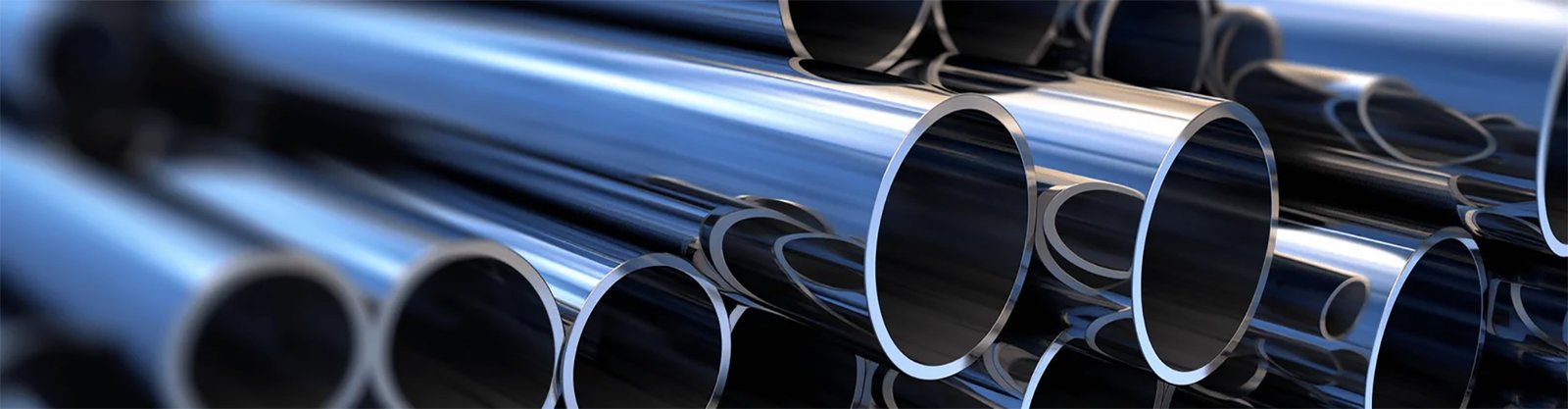
As the global push for sustainable energy accelerates, industries are turning to advanced materials that can meet the demanding requirements of modern renewable energy infrastructure. Titanium pipe is one such material that has gained attention for its superior performance in harsh environments. With exceptional strength-to-weight ratio, corrosion resistance, and durability, titanium piping systems are increasingly used in renewable energy projects.
In this article, we explore the growing role of titanium pipe in renewable energy: applications & trends, and highlight how trusted suppliers like sakyalloy are helping industries deploy reliable, long-lasting solutions that support clean energy goals.
Why Titanium Pipe Is Ideal for Renewable Energy
Titanium offers a unique set of properties that make it an ideal choice for renewable energy applications:
-
Corrosion resistance: Titanium withstands seawater, aggressive chemicals, and extreme weather conditions without degradation, making it ideal for marine and offshore renewable energy systems.
-
High strength-to-weight ratio: This allows for lighter, more efficient structures, reducing load on support systems and lowering transportation emissions during installation.
-
Long service life: Titanium pipes can operate for decades with minimal maintenance, lowering lifecycle costs and environmental impact.
-
Excellent thermal and mechanical stability: Titanium performs reliably across a wide range of temperatures and pressures found in various renewable energy systems.
Key Applications of Titanium Pipe in Renewable Energy
Offshore Wind Energy
Offshore wind farms are exposed to harsh marine environments where corrosion and biofouling can compromise system integrity. Titanium pipes are increasingly used for:
-
Cooling systems of offshore wind turbines.
-
Hydraulic and control lines within turbine towers and subsea equipment.
-
Structural components in subsea foundations and connections.
The material’s resistance to seawater corrosion significantly extends the lifespan of these critical systems.
Ocean and Tidal Energy
Emerging technologies that harness wave and tidal energy require materials that can endure constant submersion in seawater:
-
Titanium pipes serve as conduits for hydraulic fluids and power transmission.
-
They are used in anchoring systems and structural elements where long-term reliability is crucial.
Titanium’s biofouling resistance helps reduce maintenance and downtime in these applications.
Desalination-Powered by Renewable Energy
Titanium piping is widely used in desalination plants, and as more facilities integrate renewable energy (such as solar or wind) to power operations, titanium continues to play a vital role:
-
It ensures durability in brine handling and seawater intake lines.
-
Its resistance to scaling and corrosion supports system efficiency and longevity.
Hydrogen Production and Storage
Renewable energy sources like solar and wind are increasingly used to power hydrogen production via electrolysis. Titanium pipes are used in:
-
Electrolyzer systems where resistance to acid and alkaline solutions is needed.
-
Hydrogen storage and transport systems where high pressures and potential embrittlement risks must be managed.
Titanium’s stability and resistance to hydrogen attack make it a preferred material in these critical applications.
Solar Thermal Power
In concentrated solar power (CSP) systems:
-
Titanium pipes are used in heat transfer loops where high temperatures and corrosive fluids are present.
-
They help ensure system integrity in salt-based thermal storage systems.
Trends Driving Titanium Pipe Demand in Renewable Energy
Expansion of Offshore Renewable Projects
With countries investing heavily in offshore wind and tidal energy, the demand for titanium piping and structural components is rising, particularly where long-term performance in aggressive environments is essential.
Growth of Green Hydrogen Economy
As hydrogen emerges as a cornerstone of the renewable energy landscape, titanium’s role in electrolyzers, storage systems, and distribution infrastructure is becoming more prominent.
Focus on Lifecycle Sustainability
Titanium pipes offer a compelling value proposition due to their long service life and recyclability. Industries are increasingly recognizing that investing in durable, sustainable materials supports environmental goals and reduces total cost of ownership.
Technological Advancements
Innovations in titanium alloy development and processing methods are helping reduce production costs and expand the range of available pipe sizes and grades, making titanium more accessible for renewable energy applications.
Regional Adoption Patterns
Europe
European nations are leaders in offshore wind, green hydrogen, and tidal energy projects. Titanium piping systems are finding strong demand in these sectors as part of efforts to build resilient and low-maintenance infrastructure.
Asia-Pacific
Countries like Japan, South Korea, and China are investing in offshore wind, hydrogen economy initiatives, and desalination facilities powered by renewables — all of which drive titanium pipe demand.
North America
The U.S. and Canada are expanding renewable energy capacity, with titanium pipes used in hydrogen hubs, offshore wind installations, and CSP plants.
Challenges and Considerations
Despite its advantages, titanium piping does present challenges:
-
Higher initial cost: Titanium remains more expensive than many alternative materials, though its lifecycle benefits often outweigh the upfront price.
-
Specialized fabrication requirements: Titanium requires skilled handling and welding, making supplier expertise essential.
-
Supply chain complexity: Ensuring a stable supply of titanium pipe requires working with established suppliers who can provide certified, traceable products.
The Role of Trusted Suppliers
Reliable suppliers like sakyalloy are key to successful deployment of titanium piping in renewable energy projects:
-
sakyalloy offers titanium pipes with certified quality, compliance with international standards (ASTM B861, B862), and full traceability.
-
The company provides technical support to help clients select the right material grade and optimize system design for performance and cost-effectiveness.
-
Strong supply chain management ensures timely delivery and continuity in large-scale renewable energy projects.
By partnering with sakyalloy, renewable energy developers can access the expertise and materials needed to build systems that deliver reliable, sustainable performance.
Conclusion
The role of titanium pipe in renewable energy: applications & trends is set to grow as industries strive for durability, efficiency, and sustainability in their infrastructure. From offshore wind and tidal power to hydrogen production and solar thermal systems, titanium piping solutions support the technical and environmental goals of the clean energy transition.
By choosing high-quality titanium pipes from experienced suppliers like sakyalloy, project developers can build renewable energy systems that stand the test of time, operate efficiently, and minimize environmental impact. As renewable energy expands globally, titanium will continue to play a vital part in powering a cleaner future.